Cactus Care: Bringing the Desert Indoors
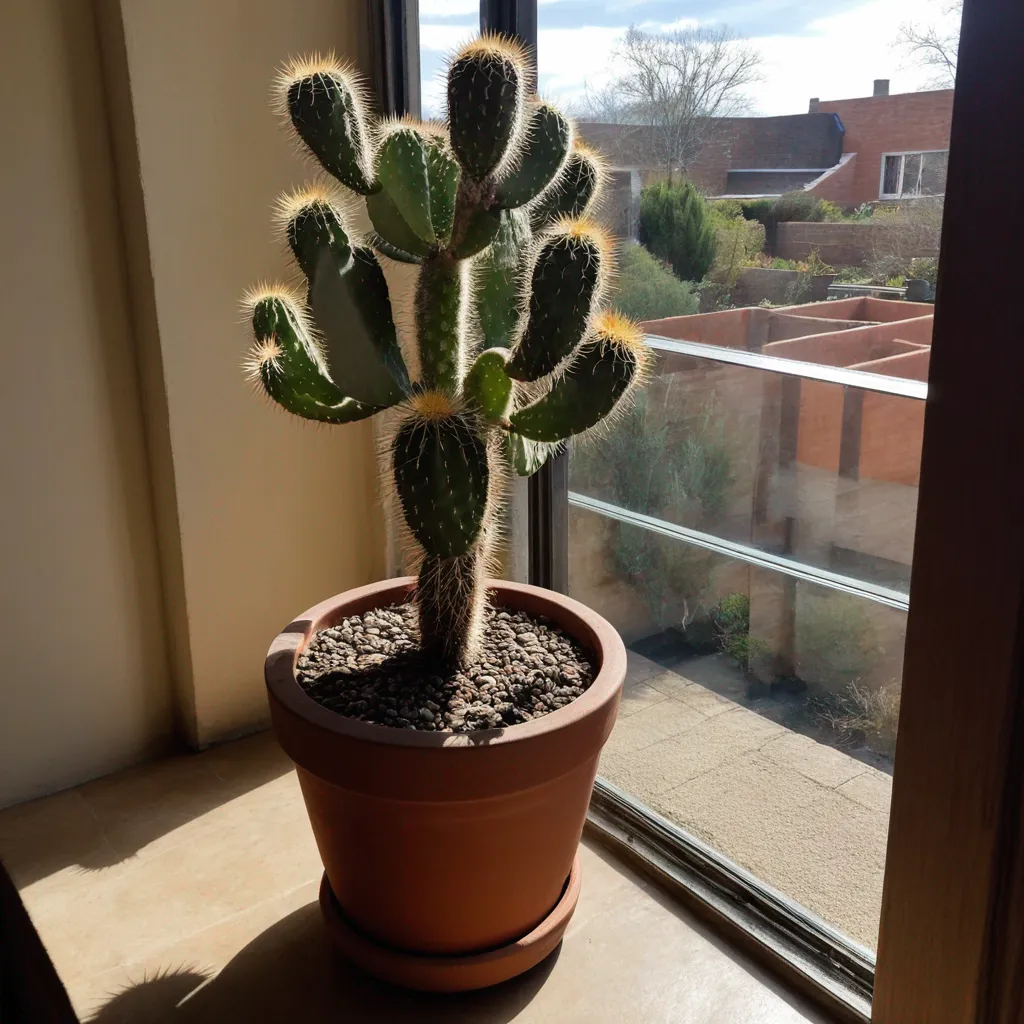
The desert doesn’t forgive mistakes, and neither do cacti. We often bring them home thinking they are decorative objects that need nothing more than air and good vibes. In reality, keeping a cactus alive indoors requires fighting against your home’s natural environment—specifically, the lack of blinding sun and the abundance of humidity. My first cactus didn’t die of thirst; it drowned because I couldn’t resist watering it.
Since then, I’ve brought a handful of cacti into my apartment, and they’ve actually thrived. My golden barrel cactus sits on the windowsill like a grumpy little sphere, and my prickly pear has even sprouted a few new pads. I’m not a botanist or a desert plant expert. I’m just someone who figured out that cacti don’t want to be treated like regular houseplants. They want you to recreate a bit of the desert, and once you understand that, they’re actually pretty forgiving.
If you’re thinking about adding a cactus to your collection (or trying to save one you’ve already got), here’s what I’ve learned through trial, error, and way too much research.
Maximum light requirements
Section titled “Maximum light requirements”Cacti are sun worshippers. In their natural habitat, they bake under intense desert sunlight for hours every day. The University of Arizona’s Cooperative Extension points out that most cacti need at least six hours of direct sunlight to stay healthy and maintain their shape. When I first brought home a small barrel cactus, I stuck it on a shelf across the room from my east-facing window. Within a month, it started stretching toward the light, getting tall and skinny instead of staying compact. That’s called etiolation, and it’s your cactus basically screaming for more sun.
I moved it right up against my south-facing window, and the growth pattern corrected itself. New growth came in thick and healthy. If you have a south-facing window, that’s your best bet. West-facing works too, especially if it gets strong afternoon light. East-facing can work for some species, but you might notice slower growth or a bit of stretching. North-facing? Forget it. Your cactus will survive for a while, but it won’t be happy.
Now, here’s where it gets tricky. If you’re moving a cactus from a low-light situation (like a store shelf) into direct sun, you can’t just throw it in the brightest spot immediately. Cacti can get sunburned. I learned this when I brought home a moon cactus and put it straight into my sunniest window in July. The top turned pale and developed brown, papery patches. You need to acclimate them gradually. Start with a few hours of direct morning sun, then increase the exposure over a week or two.
If you don’t have a super bright window, you might need to supplement with a grow light. I haven’t done this yet because my apartment gets decent light, but from what I’ve read, full-spectrum LED grow lights work well. You want something that delivers at least 2,000 foot-candles for most cacti species. Place it about six to twelve inches above the plant and run it for 12 to 14 hours a day.
One more thing: rotate your cactus every few weeks. If one side constantly faces the window, that side will grow more vigorously than the shaded side, and your cactus will start leaning. I turn mine a quarter turn every time I check the soil, which keeps growth even.
Watering only when bone dry
Section titled “Watering only when bone dry”This is where most people mess up, and I was no exception with that first cactus. The golden rule is simple: wait until the soil is completely dry, then wait a little longer. Cacti store water in their tissues, so they can handle drought much better than they can handle soggy roots.
I use the chopstick method to check moisture levels. I stick a wooden chopstick down into the soil near the edge of the pot, leave it for a minute, then pull it out. If it comes out damp or has soil sticking to it, I wait. If it’s dry and clean, I water. During the growing season (spring and summer), my cacti usually need water every two to three weeks. In winter, I might water once a month or even less.
When you do water, water deeply. I take my cacti to the sink and run water through the pot until it drains out the bottom. This mimics a desert rainstorm, where the soil gets completely saturated and then dries out. Don’t do the “little sips” method where you give it a tablespoon of water every few days. That keeps the top layer damp while the roots stay dry, and it’s backward from what the plant needs.
Drainage is critical. Your cactus needs to be in a pot with drainage holes and in soil that drains quickly. I mix my own cactus soil using regular potting mix, coarse sand, and perlite in roughly equal parts. You can also buy pre-made cactus mix, but I’ve found some of them still hold too much moisture. If water sits in the saucer under your pot, dump it out. Cacti hate wet feet.
The type of pot matters too. Terracotta pots are great because they’re porous and allow moisture to evaporate through the sides. Plastic or glazed ceramic pots hold moisture longer, which isn’t ideal. I use terracotta for most of my cacti, and I’ve noticed they dry out at a more predictable rate.
In winter, cacti go dormant. They stop growing and need way less water. I’ve read recommendations from the Royal Horticultural Society suggesting you can reduce watering to once every six weeks or stop entirely for some species during the coldest months. I still give mine a tiny bit of water in winter, but I stretch it out to four or five weeks between waterings.
 Above: A closer look at this plant.
Handling cacti without getting spiked
Section titled “Handling cacti without getting spiked”I have scars on my fingers from cactus spines. Those little glochids (the tiny, hair-like spines on prickly pear cacti) are the worst. They’re almost invisible, but they stick in your skin and itch like crazy. After getting impaled one too many times, I developed a system.
For smaller cacti, I fold up a thick newspaper or use a dish towel and wrap it around the body of the plant when I need to move it. This gives you a handle without touching the spines. Make sure the fabric is thick enough that the spines won’t poke through. I learned that lesson when I tried using a regular kitchen towel and ended up with spines in my palm anyway.
For repotting, I use foam strips (the kind that come as packing material) or folded cardboard. Wrap it around the cactus like a belt, and you can grip the cardboard without getting close to the spines. Some people use silicone-tipped tongs or even old kitchen tongs wrapped in duct tape.
If you do get spines in your skin, don’t try to pull them out with your fingers. You’ll just push them in deeper or break them off. Tweezers work for the big ones. For glochids, I’ve had success with duct tape. Press a piece of tape over the area, then pull it off quickly. The sticky surface grabs the tiny spines. White school glue works too. Spread a thin layer over the affected area, let it dry completely, then peel it off.
Wear gloves if you want, but I’ve found that thick gardening gloves make me clumsy, and I end up knocking the cactus over. I prefer the towel method because I can still feel what I’m doing.
Also, keep cacti away from high-traffic areas. I had a small cactus on a low shelf, and I kept brushing against it when I walked by. After the third time getting spines in my thigh, I moved it up higher.
Best fertilizer for cactus growth
Section titled “Best fertilizer for cactus growth”Cacti don’t need a lot of fertilizer, and honestly, they’ll survive without it. But if you want them to grow faster and potentially flower, a little boost during the growing season helps. I fertilize mine maybe three or four times between April and September, and I don’t touch them in winter.
The key is using a low-nitrogen fertilizer. Nitrogen encourages leafy green growth, which isn’t what cacti do. They need more phosphorus and potassium for strong structure and flowering. I use a fertilizer formulated for cacti and succulents with an NPK ratio of something like 2-7-7 or 1-7-6. Regular houseplant fertilizer is way too nitrogen-heavy.
I dilute the fertilizer to half strength or even quarter strength. Cacti are adapted to nutrient-poor desert soil, so a full dose of fertilizer can actually harm them. The North Carolina State University Extension suggests fertilizing cacti lightly and infrequently to avoid excessive growth that makes the plant weak and floppy.
I apply liquid fertilizer when I water, mixing it into the water according to the diluted ratio. This way, the nutrients get distributed evenly through the soil. Some people use slow-release pellets, which is fine, but I like having more control over when my plants get fed.
If your cactus is growing in fresh soil, it probably doesn’t need fertilizer for the first year. Potting mix usually has enough nutrients to last a while. I wait until I see active growth before I start feeding.
One warning: don’t fertilize a cactus that’s stressed, recently repotted, or showing signs of rot. Fertilizer encourages growth, and a struggling plant needs to focus on recovery, not putting out new tissue.
 Above: Getting started with care.
Getting a cactus to flower
Section titled “Getting a cactus to flower”This is the holy grail for cactus owners, and I’ll be honest, I’ve only gotten one of mine to bloom. It was a small rebutia cactus, and when those bright orange flowers opened up around the base, I felt like I’d won the lottery. Getting a cactus to flower takes patience and the right conditions.
First, your cactus needs to be mature. A tiny two-inch cactus you just bought probably won’t flower for years. Most cacti need to reach a certain size and age before they’re capable of blooming. For some species, that’s three to five years. For others, it’s longer.
Light is critical. A cactus that doesn’t get enough sun won’t flower. Period. If your cactus is stretching or pale, it’s not getting enough light, and it definitely won’t bloom. Make sure it’s getting those six-plus hours of direct sunlight I mentioned earlier.
The other big factor is winter dormancy. Many cacti need a cold, dry rest period to trigger flowering. In nature, desert winters are cooler and drier than summers, and that seasonal change tells the plant it’s time to prepare for blooming in spring. I move my cacti to a cooler room in winter (around 50 to 55 degrees) and cut way back on watering. This cold treatment seems to be what finally convinced my rebutia to bloom.
If you keep your cactus in a warm room year-round and water it regularly through winter, it might never flower. It needs that period of stress to flip the blooming switch. The University of Minnesota Extension mentions that this dormancy period is essential for many cactus species to produce flowers.
Some cacti are just easier to flower than others. Rebutia, mammillaria, and echinopsis are known for blooming relatively easily. Barrel cacti and some columnar species are notoriously stubborn and might not flower indoors at all.
Fertilizer helps too, especially one higher in phosphorus. I give my cacti a bloom-boost fertilizer (something like 2-10-10) once or twice in early spring as they come out of dormancy. This gives them the nutrients they need to produce flower buds.
Lastly, don’t move a cactus that’s forming buds. I’ve read that some species will drop their buds if they get disturbed or if their light exposure suddenly changes. Once you see buds forming, resist the urge to rotate the plant or move it to a different spot.
Flowers don’t last long. Some cactus blooms only open for a day or two. But when they do bloom, it’s worth the wait.
Cacti aren’t hard to care for once you stop treating them like typical houseplants. They want sun, infrequent water, and a little bit of neglect. My apartment isn’t a desert, but with a bright window and a light hand with the watering can, I’ve managed to keep these prickly little guys happy. If I can do it after drowning my first one, you definitely can too.
References
Section titled “References”University of Arizona Cooperative Extension. “Cacti and Succulents.” Retrieved from Arizona Cooperative Extension resources on desert plant care.
Royal Horticultural Society. “Cacti: Watering and Care.” Information on seasonal watering adjustments for cacti in cultivation.
North Carolina State University Extension. “Growing Cacti and Succulents Indoors.” Guidelines on fertilization and nutrient requirements for container cacti.
University of Minnesota Extension. “Growing Cacti Indoors.” Recommendations on dormancy requirements and flowering conditions for indoor cacti.