Vacation Plant Care
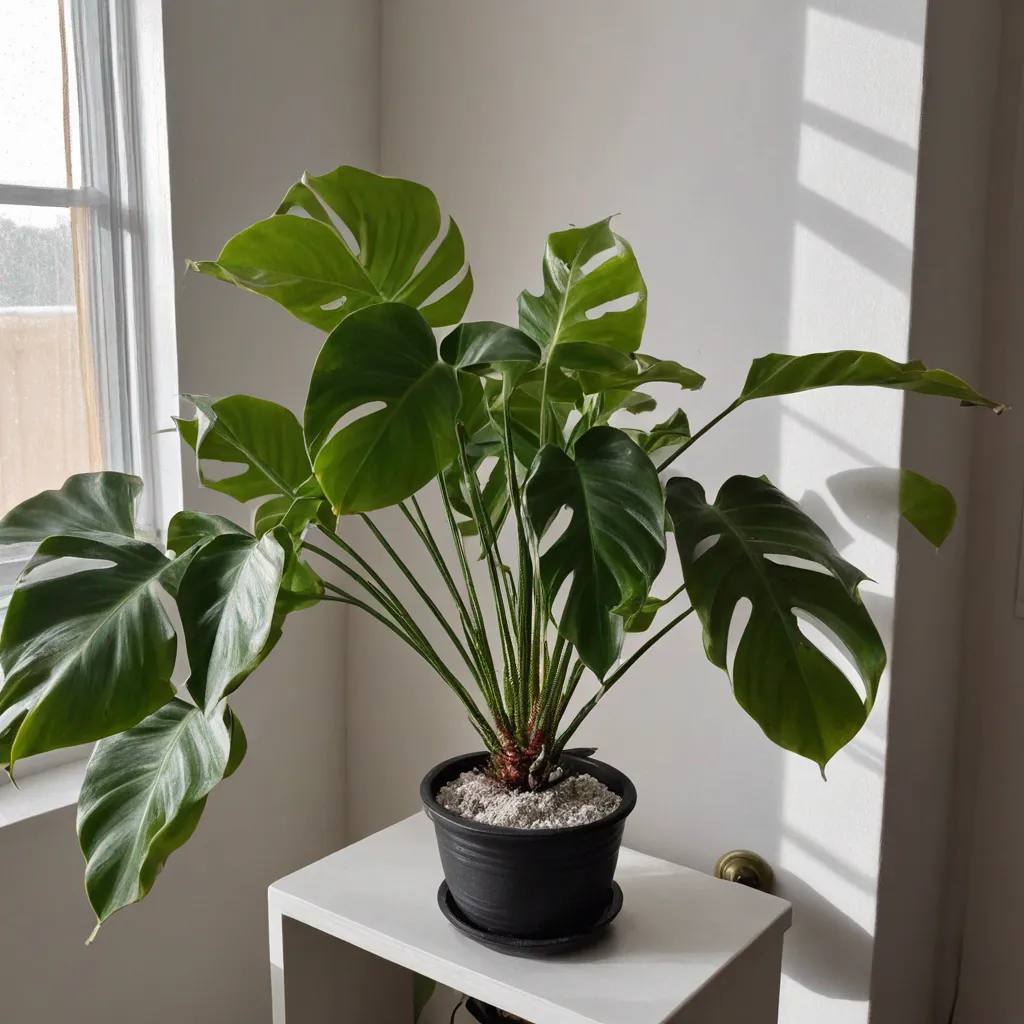
There are few things more stressful than leaving your plant collection behind for a vacation. You spend the whole trip wondering if your Calathea is crisping up or if your Pothos is wilting. But with a little preparation and some simple DIY systems, you can actually enjoy your time away. I used to dread even long weekends, but after a few trial-and-error disasters, I’ve developed a system that keeps everything green until I return.
Here’s what I’ve learned about keeping plants alive when you’re gone.
Wick watering method
Section titled “Wick watering method”This one changed everything for me. I was skeptical at first because it sounds too simple to work, but it genuinely does.
The basic idea is that you stick one end of a cotton string into the soil and the other end into a container of water. The string pulls water up from the reservoir and slowly releases it into the soil. It’s not fancy, but physics does the work for you.
I use acrylic yarn because it’s what I had lying around from an abandoned knitting project, but cotton shoelaces work too. Some people swear by nylon rope from the hardware store. The important thing is that the material absorbs water and can move it along its length.
Here’s how I set it up: I fill a jar or bowl with water and place it higher than the plant pot (this matters for the water flow). Then I soak the yarn completely, thread one end about two inches into the soil near the edge of the pot, and drop the other end into the water. Make sure both ends stay submerged or buried. If the string dries out in the middle, it stops working.
The water moves slowly, which is exactly what you want. I tested this before my first real vacation by setting it up a week early and checking the soil every day. My pothos stayed consistently damp but not soggy. When I came back from that trip, the plant looked exactly the same as when I left.
One thing I learned the hard way: this doesn’t work great for plants that like to dry out between waterings, like succulents or snake plants. I tried it once with a ZZ plant and came home to some concerning yellowing. Now I only use wicks for moisture-loving plants like ferns, peace lilies, and my chronically thirsty calatheas.
According to the University of Maryland Extension, capillary or wick systems work because water moves through the material via capillary action, and the rate depends on the material type and the distance between the water source and the soil. They recommend testing any system before you actually leave.
The downside is that it looks a bit ridiculous. I have strings running from jars to pots all over my living room when I’m gone. But nobody’s there to see it, and my plants survive, so I stopped caring about aesthetics.
Instructions for plant sitters
Section titled “Instructions for plant sitters”If you have someone checking on your place while you’re gone, do not just say “water my plants.” I made that mistake once, and my friend watered everything, including the succulents that were fine and the orchid that was sitting in a cache pot. I came home to root rot in three pots.
Now I make a simple document. I know that sounds intense, but it takes ten minutes and saves so much stress.
I list each plant by location because that’s easier than remembering names. “Big plant by the window” works better than “Ficus lyrata” for most people. Next to each one, I write exactly what to do. For example: “Stick your finger in the soil. If it’s dry two inches down, add about one cup of water. If it’s still damp, skip it.”
I also leave measuring cups out. Telling someone to water “thoroughly” or “lightly” means nothing. One cup, two cups, half a cup, those are concrete.
For plants that are tricky, I sometimes just ask the person not to touch them. My string of pearls can go two weeks without water in the winter. I’d rather it be a little thirsty than drowned by someone trying to help.
Photos help too. I take a picture of each plant before I leave and text it to my plant sitter with a note like, “This is what healthy looks like.” Then if they’re unsure, they have a reference point. If the leaves start drooping or curling, they know something’s wrong.
I also make it clear that it’s okay if a plant dies. I mean, I’d rather it didn’t, but I don’t want someone stressing about my hobby. Plants are replaceable. I learned this after being way too intense about it in the past and making my sister nervous about watching a simple pothos.
One last thing: I move all the plants that need attention into one spot, like the kitchen counter. That way, the person doesn’t have to hunt around my apartment. Everything that needs checking is right there.
 Above: A closer look.
Pre-vacation prep
Section titled “Pre-vacation prep”The week before I leave, I basically put my plants on life support. Not in a bad way, just in a “let’s make this as easy as possible” way.
First, I water everything thoroughly a day or two before I go. Not the day of, because I don’t want them sitting in super wet soil the whole time, but close enough that they start with full moisture.
Then I move plants away from windows if I’m leaving in the summer. I have a west-facing window that gets brutally hot in July, and I used to come home to crunchy, sunburned leaves. Now anything that sits there gets moved a few feet back during trips. They get less light, but they also don’t cook. I’ll take slightly stretched growth over dead plants.
If I’m gone in the winter, I do the opposite. I move things closer to the windows because the light is weaker and the days are shorter. My apartment also gets colder when I’m not running around generating heat and opening the oven, so I make sure nothing’s touching a freezing windowpane.
I also trim off any dead leaves or spent flowers before I go. This sounds minor, but it reduces the chance of mold or pests taking hold while I’m not around to notice. Plus, it makes me feel better to leave them looking tidy.
For plants that are already struggling, I sometimes just accept they might not make it. I had a maidenhair fern that was barely hanging on, and I left for ten days last spring. I did my best with a wick system, but I also mentally said goodbye to it. It actually survived, but going in with lower expectations made the trip way less stressful.
Some people reduce fertilizing before a trip, but I don’t fertilize much in general, so this isn’t a big change for me. The idea is that you don’t want to encourage a growth spurt right before you leave because new growth is more sensitive to stress.
I close my blinds halfway if it’s going to be really sunny. This is mostly for my own furniture, but it also keeps the temperature more stable, which the plants seem to appreciate.
Water globes: Do they work?
Section titled “Water globes: Do they work?”Sort of. Maybe. It depends.
I bought a set of glass watering globes a few years ago because they looked pretty and seemed like an easy solution. You fill the bulb with water, stick the spike into the soil, and theoretically the water releases slowly as the soil dries.
In practice, I’ve had mixed results. They work okay for smaller pots and short trips. I used them for a long weekend once, and my pothos were fine. But for longer trips or bigger pots, I don’t trust them.
The problem is that the release rate is unpredictable. Sometimes the spike gets clogged with soil and barely any water comes out. Other times it dumps half the globe in the first day. I’ve also had them tip over, especially in lighter pots, which defeats the whole purpose.
I tested them before committing, and I found that they emptied way faster than the package suggested. The label said one globe would last seven to ten days, but mine were empty in four. That’s fine if you know about it and plan accordingly, but it’s not great if you’re expecting them to last your whole trip.
According to research from the University of Illinois Extension, the effectiveness of watering globes depends heavily on soil type and how firmly you insert the stake. Loose, sandy soil lets water flow too quickly, while dense soil can block the opening.
They’re also weirdly expensive for what they are. I paid something like twenty dollars for two globes. For that price, I can buy yarn and jars for a wick system that I find more reliable.
That said, I know people who love them. My friend uses them for her smaller plants and hasn’t had any problems. I think they’re worth trying if you’ve got a few plants and a short trip, but I wouldn’t rely on them as my only solution for a two-week vacation.
The plastic spike versions are cheaper and supposedly work the same way, but I haven’t tried them. The glass ones are at least nice to look at when they’re not actively watering.
 Above: What you will need.
Grouping plants for humidity
Section titled “Grouping plants for humidity”This is the easiest trick, and I wish I’d known about it sooner.
When plants are grouped together, they create a little microclimate. They all release moisture through their leaves (transpiration), and that moisture hangs around in the shared space. It’s not dramatic, but it’s enough to help them stay happier when you’re gone and not running the humidifier.
I learned this from a horticulture blog that cited studies on greenhouse management. Growers group plants partly to save space, but also because it naturally raises the humidity around them, which reduces water stress.
Before I leave, I move my humidity-loving plants (calatheas, ferns, prayer plants) into the bathroom or a corner of the living room. I put them close together, but not touching, because I don’t want to invite pests or mold by crowding them too much. A few inches apart seems to work fine.
I usually put a tray of water near the group too, not for drinking, but just to add moisture to the air as it evaporates. Some people put pebbles in the tray and set the pots on top, but I haven’t found that necessary for short trips.
This also makes wick watering easier because I can set up one big water container and run multiple wicks from it to different pots. Less setup, same result.
I don’t group my succulents or cacti because they don’t care about humidity. They actually do better on the drier side, so I leave them spread out in their normal spots.
One thing to watch for when you get back: sometimes grouping plants means less airflow, and I’ve noticed the soil takes longer to dry out. I check carefully for any signs of fungus gnats or mold in the first few days after a trip. If I spot anything, I separate the plants again and let things dry out a bit.
This method doesn’t replace watering, but it definitely buys you time. I’ve left grouped plants for a week with just a good soaking beforehand and no other system, and they came through okay. Not perfect, but alive.
References
Section titled “References”University of Maryland Extension. “Watering Indoor Plants.” University of Maryland Extension, Home and Garden Information Center.
University of Illinois Extension. “Selecting Plant Containers and Watering Systems.” University of Illinois Extension.