Pet Safe Houseplants Guide
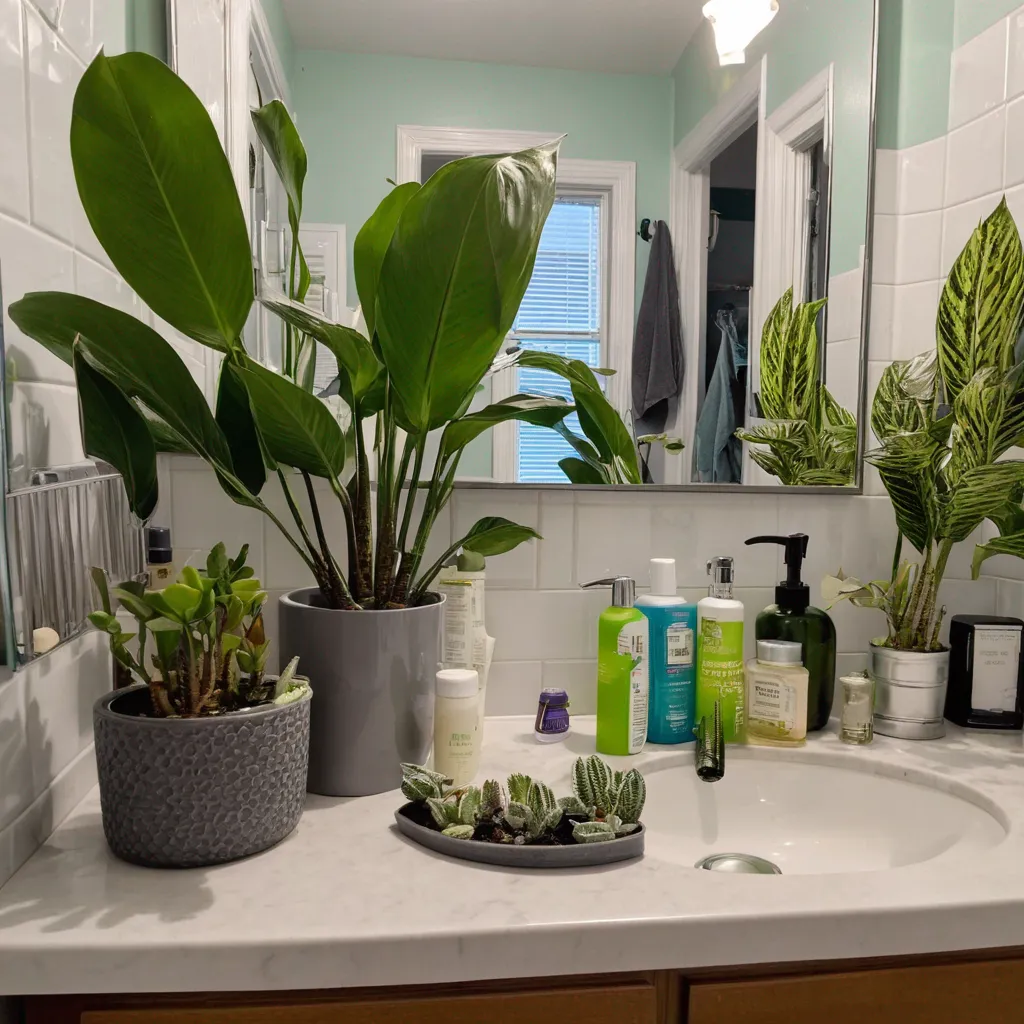
The internet is not always your friend when it comes to pet safety. Search “is Monstera toxic to cats?” and you’ll find ten different answers ranging from “it’s fine” to “immediate death.” As a pet owner, this ambiguity is terrifying. My own wake-up call came when a friend’s cat took a nibble of my Pothos, leading to a frantic late-night vet consultation. Since then, I’ve done deep research to find out which plants are truly safe.
If you have pets, you already know the drill. They chew things. They knock things over. They treat your plant shelf like their personal salad bar. I don’t have pets myself (my apartment lease won’t allow it), but after that Pothos incident, I started researching which plants are actually safe. Because honestly, the last thing you want is a trip to the emergency vet because Fluffy decided your Philodendron looked tasty.
So here’s what I’ve learned from talking to plant friends with pets, reading way too many university extension articles, and digging through the ASPCA’s toxic plant database. This isn’t a complete list of every safe plant ever, but these are the ones that keep coming up as reliable, actually available, and legitimately pet-friendly.
Top plants safe for cats
Section titled “Top plants safe for cats”Cats are weird. Mine would be weird too, if I had one. They ignore the expensive cat toys and go straight for anything green and dangly. The problem is that a lot of popular houseplants are toxic to them. But there are some good options that won’t send you into a panic if your cat takes a bite.
Spider plants are probably the most bulletproof option. I have three of them, and they’re nearly impossible to kill. They handle neglect, low light, and the occasional drought like champs. The babies that grow off the mother plant are fun to propagate, and cats seem obsessed with batting at them. According to the University of California’s Safe and Poisonous Garden Plants list, spider plants are completely non-toxic to cats. The only downside? Some cats love them a little too much and will chew them to shreds. Not dangerous, just annoying.
Boston ferns are another safe choice, though I’ll warn you right now, they’re finicky about humidity. I tried one in my apartment and it turned brown and crispy within a month because my radiator heat is brutal in winter. But if you have a bathroom with good light or you’re willing to mist regularly, they’re beautiful and completely safe for cats. The ASPCA lists them as non-toxic, and they add that soft, feathery texture that looks really nice against harder-leaved plants.
Peperomia is one I actually own and love. There are so many varieties (watermelon, ripple, beetle), and they’re all safe for cats according to research from the University of Connecticut’s Home and Garden Education Center. They stay compact, don’t need much water, and handle medium light pretty well. I keep mine on my desk, and it’s been happy there for over a year with basically zero drama.
Calatheas are stunning, but I’m going to be real with you. They’re fussy. They want humidity, filtered water (because they hate tap water minerals), and indirect light. I killed two before I gave up. That said, they’re non-toxic to cats, and if you can meet their needs, they’re gorgeous. The University of Florida’s IFAS Extension confirms they’re safe, so if you’re up for the challenge, go for it.
Parlor palms are my latest obsession, even though I don’t have one yet. My apartment doesn’t get enough light, but I’ve been eyeing them for when I eventually move. They’re shade-tolerant, safe for cats, and they give you that tropical vibe without being too demanding. The ASPCA has them on their safe list, and from what I’ve read, they’re pretty forgiving as long as you don’t overwater.
Plants safe for dogs
Section titled “Plants safe for dogs”Dogs are different from cats. They’re less likely to nibble on plants just for fun, but when they do, they commit. A bored dog can demolish a plant in minutes. So you want something that’s safe and ideally sturdy enough to survive some chaos.
The same spider plant that works for cats works for dogs. Non-toxic, easy to grow, and if your dog knocks it over, it’ll probably survive. I’ve heard stories from friends with dogs who say their pups just ignore spider plants entirely, which is ideal.
Boston ferns are also safe for dogs, with the same humidity warning I mentioned before. If you have a dog that likes to dig or play rough, maybe skip this one or keep it out of reach. Ferns are delicate, and a wagging tail can turn them into confetti.
Areca palms (also called butterfly palms) are great if you want something bigger. They’re safe for dogs according to the ASPCA, and they can handle a decent amount of light. I haven’t owned one because they get pretty large, and my apartment is already cramped. But if you have the space, they’re a good way to fill a corner without worrying about toxicity.
Haworthia and most succulents in that family are safe for dogs. I have a few haworthias on my windowsill, and they’re incredibly low-maintenance. Bright light, water every couple of weeks, done. The University of California lists them as non-toxic, which is great because succulents are trendy and easy to find. Just double-check the specific type you’re buying, because some succulents (like Jade plants) are toxic.
African violets are another safe option. I’ve never had success with them because they want very specific watering (no water on the leaves, bottom watering only), but my mom grows them, and they bloom like crazy. They’re safe for dogs, and they’re small enough to keep on a shelf or table where a curious dog might not bother them.
 Above: A closer look.
Toxic plants to avoid
Section titled “Toxic plants to avoid”This is where it gets scary. Some of the most popular houseplants are legitimately dangerous for pets. I’m talking about plants you see everywhere, plants that people assume are fine because they’re so common.
Pothos is the big one. It’s in every plant store, every office, every apartment. It’s easy to grow and it looks great. But it contains calcium oxalates, which can cause oral irritation, vomiting, and difficulty swallowing in both cats and dogs. The ASPCA lists it as toxic, and after my close call, I won’t keep one unless I know for sure no pets will be around.
Philodendrons are in the same boat. Same toxic compound, same risks. I used to have a heartleaf Philodendron, and I gave it to a friend without pets after I learned this. It hurt because that plant was thriving, but it’s not worth the risk.
Lilies are extremely toxic to cats. Even small amounts can cause kidney failure. I don’t keep any lilies in my apartment, period. If you have cats, skip these entirely. The Pet Poison Helpline has multiple warnings about lilies, and it’s not something to mess around with.
Sago palms might look tropical and fun, but they’re one of the most toxic plants you can bring into a home with pets. All parts of the plant are poisonous, and ingestion can lead to liver failure. The University of Florida’s veterinary extension has documented cases, and it’s just not worth it.
Dieffenbachia (also called dumb cane) is another one I see all the time in stores. Toxic to both cats and dogs. It causes oral irritation and swelling. I almost bought one once because it was on sale, but I stopped myself after reading up on it.
If you’re ever unsure about a plant, check the ASPCA’s website. They have a searchable database of toxic and non-toxic plants. I keep that page bookmarked because new plants tempt me constantly, and I’d rather check first than deal with an emergency later.
Keeping pets out of pots
Section titled “Keeping pets out of pots”Even with safe plants, you might not want your pets treating your plant corner like a snack bar or a litter box. I’ve learned some tricks from friends who deal with this constantly.
Citrus peels work surprisingly well for cats. Apparently, cats hate the smell of citrus. My friend puts orange peels in her plant pots, and her cat stopped digging in them almost immediately. You have to replace them every few days as they dry out, but it’s cheap and easy.
Aluminum foil is another cat deterrent. Cats don’t like the texture or the sound. You can loosely cover the soil with foil, and most cats will avoid it. It looks a little weird, but if it keeps your cat out, who cares?
Rocks or decorative pebbles on top of the soil can help with dogs who like to dig. It makes the dirt less accessible, and it actually looks nice if you use river rocks or something smooth. I use pebbles on some of my plants just for the aesthetic, and it has the bonus of keeping the soil from drying out too fast.
Hanging planters are your friend if you have persistent pets. I don’t have pets, but I use hanging planters anyway because I love the look. For pet owners, it’s a practical solution. Cats can’t reach them (usually), and dogs won’t knock them over.
Bitter sprays designed for pets can be sprayed on plant leaves to make them taste bad. I haven’t tried this myself, but I’ve heard mixed reviews. Some pets don’t care, and some sprays can damage delicate leaves. Test it on one leaf first if you go this route.
 Above: What you will need.
Growing cat grass
Section titled “Growing cat grass”Here’s something I learned from a friend who swears by it: if you give your cat an approved plant to chew on, they might leave your other plants alone. Cat grass is basically young cereal grass (wheat, oat, or barley), and cats love it.
You can buy cat grass kits at most pet stores, or you can grow it yourself from seed. It’s ridiculously easy. You sprinkle the seeds in a shallow pot with soil, water them, and they sprout within a few days. According to the University of Illinois Extension, cat grass is safe and can even help with digestion and hairballs.
I haven’t grown cat grass myself (again, no pets), but I’ve watched my friend do it, and it’s so low-effort that even a beginner can handle it. The grass grows fast, so you’ll need to replant every few weeks as it gets nibbled down or starts to yellow. But it’s cheap, and it gives your cat something safe to munch on.
Some people also grow wheatgrass for their cats. It’s essentially the same thing. You can find seeds online or at health food stores. Just make sure it’s pesticide-free and safe for pets.
The key is to place the cat grass somewhere obvious and accessible. If your cat has to work to find it, they’ll probably ignore it and go back to your spider plant. Put it where they hang out, and they’ll (hopefully) get the hint.
Look, keeping plants and pets isn’t impossible, but it does take some planning. I’d rather have a smaller collection of safe plants than worry every time a friend brings their cat over. Do your research, check the ASPCA database, and when in doubt, skip the plant. There are plenty of beautiful, pet-safe options out there. You just have to know where to look.
References
Section titled “References”ASPCA. “Toxic and Non-Toxic Plants.” Animal Poison Control Center. https://www.aspca.org/pet-care/animal-poison-control/toxic-and-non-toxic-plants
Pet Poison Helpline. “Lily Poisoning in Cats.” https://www.petpoisonhelpline.com
University of California Division of Agriculture and Natural Resources. “Safe and Poisonous Garden Plants.” UC Davis School of Veterinary Medicine.
University of Connecticut Home and Garden Education Center. “Are Peperomia Plants Toxic to Pets?”
University of Florida IFAS Extension. “Calathea.” Environmental Horticulture Department.
University of Florida College of Veterinary Medicine. “Common Toxic Plants.” Veterinary Extension.
University of Illinois Extension. “Cat Grass: A Healthy Treat for Cats.” Horticulture and Pest Management.