Spider Mites: The Invisible Killer
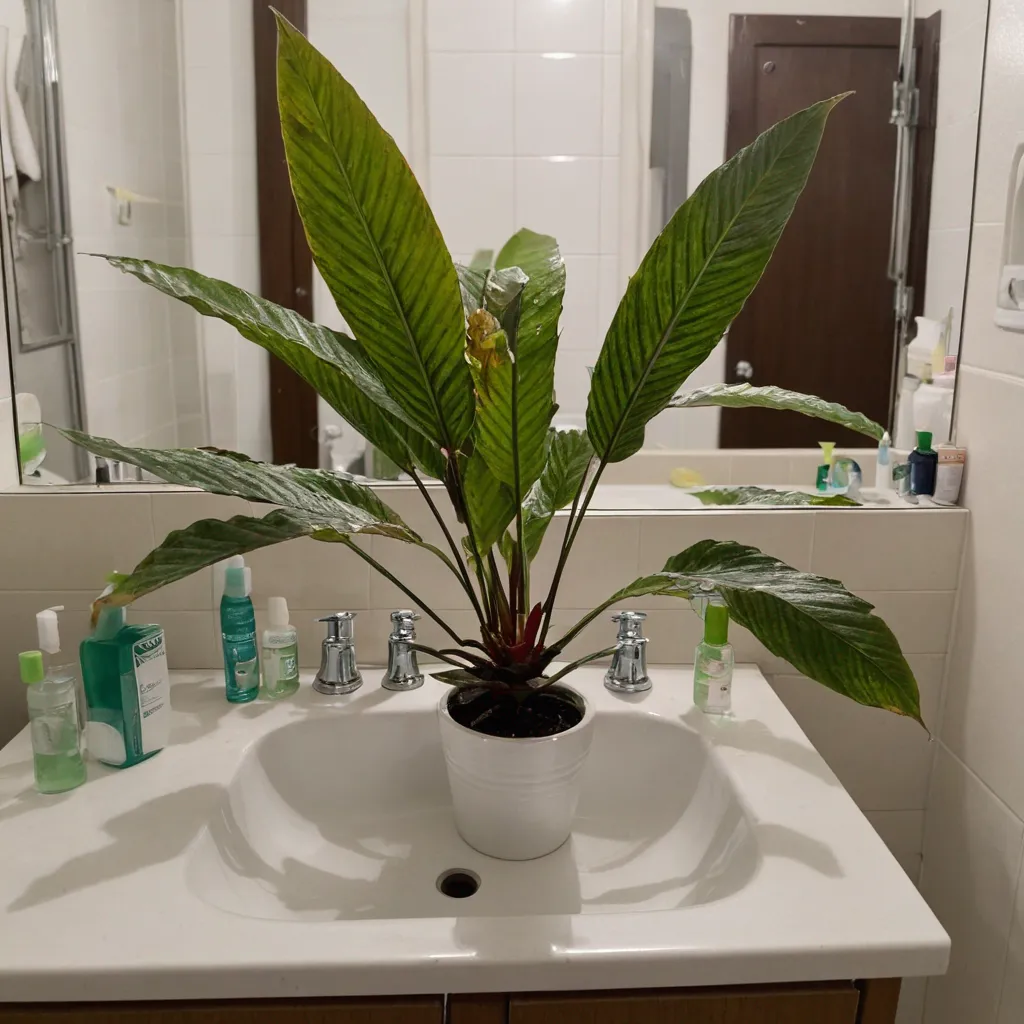
A gorgeous prayer plant thriving for months suddenly develops dull-looking leaves. Water seems like the obvious fix. A week later, tiny yellow speckles cover the foliage, and a closer look with a flashlight reveals barely visible dots crawling around, leaving fine silk strands between the leaves.
Spider mites are honestly one of the worst pests you can deal with as a houseplant owner. They are so small you can barely see them with your naked eye, but they multiply fast and can kill a plant before you even realize what’s going on. The worst part is that by the time you notice the damage, they have usually already set up a pretty serious infestation.
I learned the hard way that you need to catch these pests early and act fast. After losing that prayer plant and nearly losing a fiddle leaf fig, I did a ton of research and talked to other plant people about what actually works. Here is what I have learned about identifying and fighting spider mites.
Spotting the fine webbing
Section titled “Spotting the fine webbing”The webbing is usually the first thing that gets people’s attention, but honestly, if you wait until you see webs, the infestation is already pretty advanced. Spider mites are related to spiders (they are arachnids, not insects), and they produce silk just like their bigger cousins. When their population explodes, they cover the plant in fine webbing that looks a bit like spider webs but much more delicate.
You will typically see this webbing in the spots where leaves meet stems, along the undersides of leaves, or between leaves that are close together. If you mist the plant or get the leaves wet, the webbing becomes way more visible because water droplets cling to it. I sometimes do this on purpose when I suspect mites but cannot see anything yet.
The thing is, you should not wait for webbing to appear. I check my plants every time I water them now. I flip the leaves over and look at the undersides with my phone light. Spider mites love to hang out on the undersides of leaves where you would not normally look. They are tiny, about the size of a grain of pepper, and they can be red, brown, yellow, or even translucent. Sometimes I cannot see the mites themselves but I can see the damage they are causing.
According to the University of California Agriculture and Natural Resources, spider mites pierce plant cells and suck out the contents, which is what causes that stippled, speckled look on leaves. They feed on the chlorophyll, so the leaves lose their green color in those spots.
I also learned to check new plants really carefully before I bring them home. Quarantine is not just for diseases. I keep any new plant separate from my collection for at least two weeks and check it every few days. Garden centers can have spider mites, especially on plants that have been sitting there for a while or are stressed from inconsistent watering.
Neem oil treatment
Section titled “Neem oil treatment”Neem oil is probably the most popular natural treatment for spider mites, and I have used it many times with mixed results. I want to be honest here: neem oil is not a miracle cure, and it does not work instantly. But when used correctly and consistently, it can help control an infestation.
Neem oil works by disrupting the life cycle of the mites. It does not kill adult mites on contact like some chemical pesticides do. Instead, it messes with their ability to feed and reproduce. The active compound, azadirachtin, interferes with their hormones. So you need to apply it multiple times to break the breeding cycle.
Here is how I use neem oil. I buy pure cold-pressed neem oil, not the ready-to-use spray bottles (those are often diluted too much to be effective). I mix about two teaspoons of neem oil with a quart of lukewarm water and add a few drops of dish soap. The soap helps the oil mix with water and also helps it stick to the leaves. I put this in a spray bottle and shake it really well before every use because oil and water separate quickly.
Before I spray the whole plant, I always test it on a few leaves first and wait 24 hours. Some plants are sensitive to neem oil, especially in direct sunlight. I learned this when I burned some of my pothos leaves by spraying them and then putting the plant back in a sunny window.
When I treat a plant, I spray every surface thoroughly, especially the undersides of the leaves where the mites live. I mean every surface. I have made the mistake of half-spraying and then wondering why the mites came back. You need to coat the plant. Then I repeat this every five to seven days for at least three weeks. Spider mites can go from egg to adult in as little as a week in warm conditions, so you need to keep at it.
One downside of neem oil is the smell. It is strong and kind of garlicky, and it lingers. I usually treat my plants in the bathroom or on the balcony. Also, neem oil can leave a slight residue on the leaves that dulls them a bit, so I sometimes rinse the plant off a few days after treatment.
Research from various extension programs, including those at Colorado State University, shows that neem oil can be effective against spider mites when applied properly, but it works best as part of an integrated approach rather than the only solution.
 Above: A close up look at the symptoms.
Showering the plant
Section titled “Showering the plant”This is honestly my favorite method, and it is the first thing I do when I discover spider mites. I take the plant to the shower or sink and blast it with water. Spider mites hate water, and a strong spray can physically remove a huge portion of the population along with the webbing and eggs.
I use lukewarm water (not cold, which can shock the plant, and not hot, which can damage it). I support the base of the plant with my hand to keep the soil from washing away, then I spray every part of the plant. I focus especially on the undersides of the leaves, the stems, and anywhere I can see webbing or damage. I get in there and really rinse it thoroughly.
The goal is to knock the mites off the plant. They are tiny and they cannot climb back up once they are washed down the drain. I do this every three to four days for a couple of weeks. You have to be persistent because even if you remove most of the mites, any eggs that survive will hatch and start the cycle over.
Some people worry about overwatering when they shower their plants this often, but I am just rinsing the foliage, not soaking the soil repeatedly. I let the plant drain well before I put it back in its spot. If you are worried about it, you can cover the soil with plastic wrap or a plastic bag while you shower the plant.
One thing I have noticed is that showering works better on plants with sturdy leaves. My rubber plants, monsteras, and snake plants handle it really well. More delicate plants with fuzzy leaves (like African violets) do not appreciate getting drenched, so for those I am more careful and might use a damp cloth to wipe the leaves instead.
The University of Maryland Extension recommends water sprays as a first line of defense against spider mites, especially for houseplants, because it is non-toxic and immediately reduces the population.
Symptoms of mite damage
Section titled “Symptoms of mite damage”Before I knew what spider mites were, I kept misdiagnosing the symptoms. I thought my plants had a nutrient deficiency or were getting sunburned. The damage from spider mites can look different depending on how bad the infestation is and what kind of plant you have.
The earliest sign is usually stippling. This looks like tiny yellow, white, or pale dots scattered across the leaf surface, especially near the veins. It happens because the mites are piercing individual cells. At first, you might just see a few speckles and think it is nothing. But over the next week or two, those speckles multiply and spread.
As the damage gets worse, entire sections of the leaf turn yellow or bronze. The leaves look dull and unhealthy, like they are fading. Some plants, especially ones with darker leaves, develop a grayish or silvery sheen. I had this happen to a calathea, and I kept thinking it was a watering issue until I finally looked closely and saw the mites.
Eventually, if you do not treat the infestation, the leaves start to drop. The plant basically says “I cannot support these damaged leaves anymore” and just lets them go. I have had plants lose half their foliage in a matter of weeks. It is heartbreaking, especially when it is a plant you have been growing for years.
The webbing usually appears when the population is really high. By that point, the mites have probably already done significant damage. The webs protect them and make it easier for them to move around the plant.
One thing that helped me a lot was learning that spider mites thrive in hot, dry conditions. They absolutely love the environment most of us have in our homes during winter when the heat is running. Low humidity and warm temps are like a mite paradise. If you have a plant showing symptoms and it is sitting near a heat vent or in a particularly dry room, that is probably part of the problem.
 Above: The tools you need to fix this.
Preventing outbreaks
Section titled “Preventing outbreaks”After dealing with spider mites multiple times, I have gotten way better at preventing them in the first place. It is so much easier than trying to fight an active infestation.
The single most effective thing I have done is increase humidity around my plants. I bought a humidifier and I run it in the room where I keep most of my plants, especially during winter. I aim for at least 40 to 50 percent humidity. Spider mites struggle to reproduce in humid conditions. Since I started using the humidifier consistently, I have had way fewer pest problems in general, not just with mites.
I also mist my plants occasionally, but I know this is controversial in the plant community. Some people say it does not do much for humidity levels long-term, and they are probably right. But I do think the physical act of spraying the leaves with water helps knock off any mites that might be trying to establish themselves. Plus, my plants seem to appreciate it.
Regular inspection is huge. I check every plant every week when I water. It takes an extra minute or two per plant, but it is worth it. I look at new growth first because that is where mites often start, then I check the undersides of a few random leaves on each plant. If I spot anything suspicious, I isolate that plant immediately.
Keeping plants healthy overall makes them more resistant to pests. Stressed plants are like magnets for spider mites. I make sure my plants are getting appropriate light, I do not let them sit in bone-dry soil for too long, and I fertilize during the growing season. A strong plant can fight off a small mite population better than a struggling one.
I also wipe down my plants periodically with a damp cloth. This serves two purposes: it removes dust (which mites love) and it physically removes any pests that might be hanging around. I do this maybe once a month for my larger-leafed plants.
One thing I wish I had known earlier is that spider mites can hitch a ride on your clothes or tools. If you have been handling an infested plant and then touch another plant without washing your hands or changing clothes, you can spread them. Now I always wash my hands between plants when I am treating pests, and I wipe down my pruning shears with rubbing alcohol.
According to research from various agricultural extension services, including Penn State Extension, maintaining plant health and monitoring regularly are the most effective long-term strategies for preventing spider mite outbreaks in indoor environments.
I still get spider mites sometimes. I am not perfect, and neither is my plant care routine. But now I catch them early, and I know what to do. I do not panic anymore. I just isolate the plant, give it a good shower, start a treatment routine, and keep an eye on my other plants. Most of the time, I can save the plant before it loses too many leaves.
The key thing to remember is that spider mites are manageable if you stay on top of them. They are tiny and annoying, but they are not unstoppable.
References
Section titled “References”University of California Agriculture and Natural Resources. “Spider Mites Management Guidelines.”
Colorado State University Extension. “Spider Mites and Their Control.”
University of Maryland Extension. “Spider Mites on Houseplants.”
Penn State Extension. “Houseplant Insect Control.”