Broken Pots
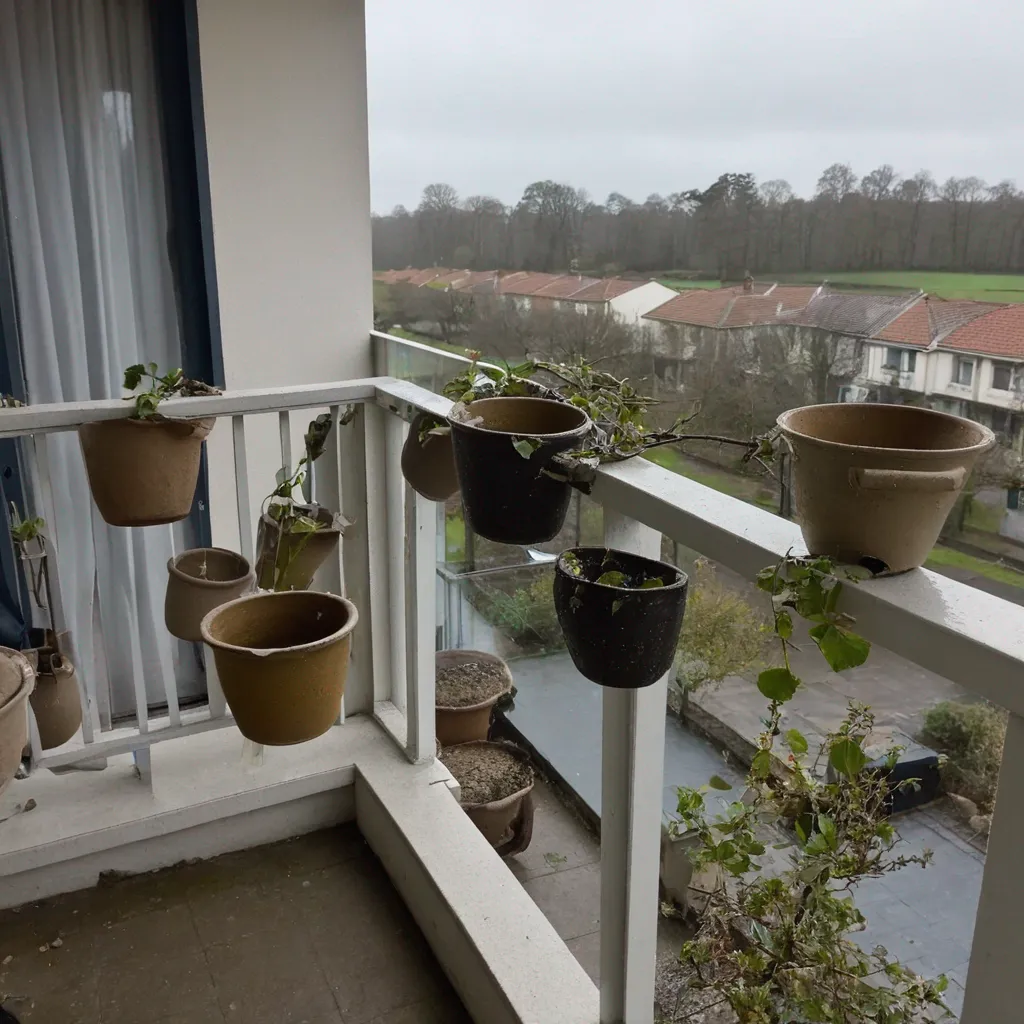
Gravity is the enemy of all ceramic pots. It only takes one split-second mistake—a stray elbow, a curious cat, or just placing a heavy plant too close to the edge—and your beautiful planter is in pieces on the floor. The sound of shattering terracotta is heartbreak for any gardener. But before you sweep it all into the trash, stop. A broken pot doesn’t have to mean a dead plant.
If you’ve never broken a pot with a healthy plant inside, congratulations on your superior coordination. For the rest of us clumsy gardeners, this is a pretty common crisis. The good news is that broken pots are fixable problems, and your plant will probably survive just fine if you act quickly. I’ve broken enough pots over the years to have a system down, and I want to walk you through what actually works.
Emergency repotting steps
Section titled “Emergency repotting steps”When a pot breaks, your first instinct might be to panic. Don’t. Take a breath, grab a newspaper or garbage bag, and let’s think this through.
First, assess the damage while the plant is still where it fell. Is the pot cracked but still holding together, or did it shatter into pieces? Is soil spilling everywhere, or is the root ball still mostly intact? These details matter because they determine your next move.
For minor cracks where the pot is still holding its shape, you might be able to leave the plant alone temporarily. I once had a terracotta pot develop a hairline crack, and the plant lived in it for another three months before I got around to repotting. The crack was small enough that soil wasn’t leaking out, so there was no emergency.
But if your pot broke like mine did, where pieces fell away and exposed the roots, you need to repot within a few hours. Exposed roots dry out fast, especially the fine root hairs that do most of the water absorption work. According to research from the University of Maryland Extension, these delicate roots can start dying within hours when exposed to air.
Here’s what I actually do when I need to emergency repot. I start by gently lifting the plant by its base, supporting the root ball from underneath if possible. Think of it like carrying a very fragile sandwich. You don’t want the whole thing to fall apart in your hands.
If the root ball is intact and roughly the same shape as it was in the pot, this is easy. Just slide it into a new pot that’s about the same size as the old one. Fill in any gaps with fresh potting mix, water it gently, and you’re done.
The trickier situation is when soil is falling away from the roots. In that case, I hold the plant over a large plastic bin or spread newspaper on the floor. I let the loose soil fall off naturally without pulling or shaking. What’s left clinging to the roots is fine to leave there. Adding new soil around it will help stabilize everything.
One mistake I made early on was using a pot that was way too big for an emergency repot. I figured more space was better, right? Wrong. A too-large pot holds more water than the roots can absorb, which increases the risk of root rot. The general rule is to go up only one or two inches in diameter from your previous pot. My snake plant went from an eight-inch pot to a nine-inch pot, and that worked perfectly fine.
Don’t worry about being gentle with the roots during an emergency repot. Plants are tougher than you think. I used to stress about every little root that broke off, but plants naturally lose and regrow roots all the time. As long as the main root mass is intact, some damage is not a death sentence.
Kintsugi repair ideas
Section titled “Kintsugi repair ideas”You know kintsugi, right? It’s that Japanese art of repairing broken pottery with gold lacquer. The philosophy is that the repair makes the object more beautiful because it acknowledges the damage instead of hiding it.
I’ve tried this with broken pots, and honestly, it’s more decorative than functional. You can’t really use kintsugi-repaired pots for plants that need regular watering because most adhesives aren’t fully waterproof. But if you loved that pot and want to keep it as a decoration or use it as a cachepot (where you hide a plastic nursery pot inside), this is a nice option.
For a simple kintsugi-inspired repair, I use a strong epoxy adhesive to glue the pieces back together. E6000 works well for this. Once it’s dry, I paint along the crack lines with gold acrylic paint mixed with a tiny bit of clear nail polish to give it some shine. It won’t look like authentic kintsugi because I’m not using real gold lacquer, but it creates a similar effect for about five dollars instead of hundreds.
The key is making sure all the pieces fit together cleanly. If chunks of the pot are missing or if it shattered into tiny fragments, kintsugi won’t work. You need relatively large, intact pieces that can bond securely.
I repaired a small terracotta pot this way after I dropped it on my patio. It sat on my shelf holding pens for about a year before I got brave enough to try using it for a succulent. The succulent only gets watered every few weeks, so the pot doesn’t stay wet long enough to break down the adhesive. Two years later, it’s still holding up.
For pots with sentimental value, this kind of repair feels worth the effort. My mom gave me a ceramic pot before she moved across the country, and when I cracked it, throwing it away felt wrong. The gold lines along the cracks remind me that broken things can still be useful and beautiful.
 Above: A close up look at the problem.
Saving the root ball
Section titled “Saving the root ball”The root ball is your priority when a pot breaks. Everything else is secondary.
When soil is falling away from the roots, you need to work fast but carefully. I keep the plant in a shaded spot while I prepare a new pot because direct sun will dry out exposed roots even faster. If you’re working outside, find shade. If you’re inside, keep the plant away from sunny windows.
Misting the roots lightly with water can help keep them from drying out if you need a few extra minutes to find a pot or prepare soil. I keep a spray bottle filled with water for exactly this kind of situation. Just a few spritzes over the root area buys you some time.
One thing that surprised me when I first started dealing with broken pots was how much root damage plants can actually tolerate. I once had a pothos where half the root ball completely fell apart when the pot broke. I thought for sure it was done for. I stuck what was left in a new pot with fresh soil, watered it, and just hoped for the best. Three weeks later, it was growing new leaves like nothing had happened.
Research from North Carolina State University Extension confirms that most common houseplants are pretty resilient to root disturbance as long as you keep them watered and out of harsh conditions while they recover. The plant might look stressed for a week or two, maybe dropping a leaf or two, but it usually bounces back.
If large sections of roots break off and you’re worried about the plant’s stability in a new pot, you can stake it temporarily. I use a bamboo stake and some soft plant ties to hold the stem upright while new roots establish. This is especially helpful for top-heavy plants like snake plants or dracaenas.
The root ball doesn’t need to be perfect when you put it in a new pot. Roots will grow into available space and redistribute themselves over time. Just make sure the plant is at roughly the same depth it was before. Planting too deep can cause stem rot, and planting too shallow exposes roots to air and drying.
Temporary pot solutions
Section titled “Temporary pot solutions”Sometimes you break a pot at the worst possible time. Maybe it’s late Sunday night and the garden center is closed. Maybe you’re broke until payday. Maybe you just don’t have another pot the right size.
I’ve used some pretty creative temporary solutions over the years. The best one is probably a plastic food container with drainage holes punched in the bottom. I’ve used yogurt containers, takeout containers, and even a large sour cream tub. They’re not pretty, but they work perfectly fine for a few days or even weeks until you can get a proper pot.
For drainage holes, I heat up a metal skewer or an ice pick over the stove flame, then carefully poke it through the bottom of the plastic. This melts through cleanly without cracking the container. I make at least four or five holes spread across the bottom.
Cardboard boxes don’t work as temporary pots, in case you were wondering. I tried this once in desperation, and the cardboard got soggy and fell apart within days. Paper products and wet soil are not friends.
Another option is double potting, where you put the damaged pot inside a larger container if the broken pot is still holding together somewhat. This works if the original pot has cracks but hasn’t completely fallen apart. The outer container catches any soil that tries to leak through the cracks and provides structural support.
I’ve also used empty one-gallon plastic nursery pots in a pinch. If you buy plants from garden centers, you probably have a pile of these black plastic pots somewhere. They’re boring looking, but they’re functional and free. I have about ten of them stacked in my storage closet for emergencies.
For really small plants, coffee cans with drainage holes work too. The metal gives a different look than plastic or ceramic, and if you’re into that industrial aesthetic, you might actually like how it looks.
The important thing with temporary solutions is making sure there’s drainage. A container without drainage holes will drown your plant faster than anything. If you absolutely must use something without drainage, put a thick layer of rocks at the bottom and water very sparingly. But honestly, just poke some holes in the bottom. It takes two minutes.
 Above: The tools you need to fix this.
Cleaning up
Section titled “Cleaning up”Soil on the floor is the less urgent problem, but you still need to deal with it eventually. Depending on where the pot broke, you might have dirt on hardwood, tile, carpet, or outside on concrete.
For hard floors, I sweep up the bulk of the soil first, then go back with a damp cloth for the fine particles. Potting mix tends to leave a dusty film on hard surfaces that a broom misses. If there’s water mixed in with the soil, making mud, I let it dry completely before trying to clean it. Wet potting mix just smears around and makes everything worse.
Carpet is trickier. I scoop up what I can with my hands or a dustpan, then vacuum the rest. Sometimes small pieces of perlite or bark get ground into the carpet fibers, and those take a few passes with the vacuum to fully remove. For mud on carpet, blot it with paper towels first to absorb the moisture, then let it dry completely before vacuuming.
The broken pot pieces themselves go in the trash unless you’re planning a kintsugi repair. Terracotta shards are sharp, so I wrap them in newspaper before throwing them away so they don’t poke through the garbage bag.
If your plant was overwatered when the pot broke, you might have a puddle to deal with on top of the soil mess. I use old towels to soak up standing water, then clean the floor normally once the water is absorbed.
One thing I’ve learned is to clean up the area completely before you finish the repotting process. It’s tempting to leave the mess and deal with it later, but it’s easier to clean while the soil is still loose and hasn’t been tracked all over the house. Plus, there’s something satisfying about restoring order to the chaos immediately.
After a pot-breaking incident, I always check my other pots to make sure they’re stable and not teetering on edges. I’ve prevented at least three potential disasters this way by moving pots that were too close to the edge of shelves or tables.
Breaking a pot feels catastrophic in the moment, but it’s usually fine. The plant survives, you get a chance to refresh the soil, and maybe you end up with a better pot situation than you had before. My snake plant is thriving in its new pot, and I moved it to a more stable spot on a lower shelf where I’m less likely to knock it over again. Sometimes accidents lead to improvements.
References
Section titled “References”University of Maryland Extension. “Houseplant Care.” University of Maryland Extension Home and Garden Information Center.
North Carolina State University Extension. “Indoor Plants: Care and Maintenance.” NC State Extension Publications.