Dracaena Care: The Dragon Tree
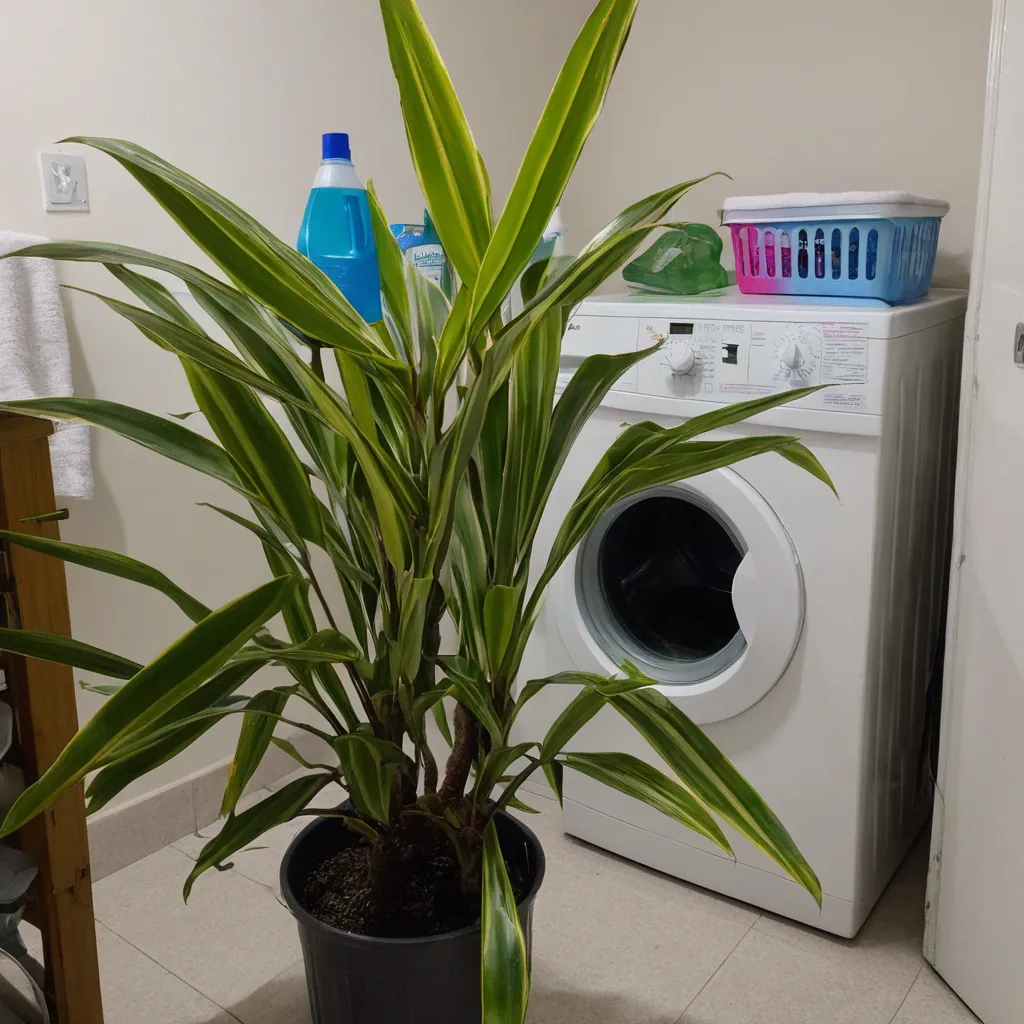
It looks like something out of a Dr. Seuss book. With its tufts of spiky leaves perched on top of skinny, twisted canes, the Dracaena Marginata—or Dragon Tree—adds an instant architectural vibe to any room. It’s also one of the few plants that truly lives up to the “unkillable” label, surviving neglect that would turn a Calathea into compost overnight. I bought one because of its cool name, but I kept it because it asks for almost nothing in return.
If you are thinking about getting one of these or already own one that looks a little sad, this post covers what I wish someone had told me on day one. These plants have a reputation for being low maintenance, and they are, but they do have a few quirks that can trip you up if you are not paying attention.
Light needs for Dracaena Marginata
Section titled “Light needs for Dracaena Marginata”When I first got my Dragon Tree, I stuck it in the brightest corner of my living room. Big mistake. Within two weeks, the leaves started looking washed out and pale. I panicked and moved it to a darker hallway, which was also wrong. This plant taught me that “bright indirect light” actually means something specific.
Here is what works: Dracaena Marginata does best when it gets plenty of light but not direct sun. Think of a spot a few feet away from a south or west-facing window, or right next to an east-facing one. If you put it directly in a beam of sunlight, especially afternoon sun, the leaves will bleach out or develop brown scorched patches. I learned this the hard way when I went on vacation and forgot that the sun angle changes throughout the year. Came back to a very crispy plant.
That said, these trees can tolerate lower light better than a lot of other houseplants. Mine survived six months in a north-facing room during winter when I was rearranging my apartment. It did not grow much, and the new leaves came in smaller and more spaced out along the stem, but it did not die. According to research from the University of Florida’s Environmental Horticulture Department, Dracaena species can adapt to light levels as low as 150 foot-candles, though they prefer 200 to 400 for optimal growth.
If you only have low light options, your Dragon Tree will live but grow slowly. The colors might not be as vibrant (there is that word, but I mean the red edges will look more brownish-green). You might also notice the lower leaves drop faster than usual, which is the plant’s way of conserving energy.
One trick I use: I rotate mine a quarter turn every time I water it. Otherwise, it grows lopsided, leaning hard toward whatever window is feeding it light. It is not a huge deal, but if you care about symmetry, rotation helps.
Why fluoride causes brown tips
Section titled “Why fluoride causes brown tips”This was the mystery that drove me crazy for almost a year. My Dragon Tree had these brown, crispy tips on almost every leaf. I thought I was overwatering, then underwatering, then maybe it needed fertilizer. Turns out, it was my tap water the whole time.
Dracaena Marginata is sensitive to fluoride, which most cities add to drinking water. It is also sensitive to chlorine and salts that build up in tap water. When the plant takes up water through its roots, these chemicals accumulate in the leaf tips because that is the end of the line for water transport. The tips turn brown and crispy, and no amount of adjusting your watering schedule will fix it if you keep using the same water.
I switched to filtered water, and the difference was obvious within a month. New growth came in without the brown tips. The old leaves still had damage (you cannot reverse it), but I just trimmed those tips off with scissors.
If you do not want to buy filtered water or run your tap through a Brita every time, you can leave tap water out in an open container for 24 hours. This lets the chlorine evaporate, though it does not remove fluoride. Some people collect rainwater, which is probably the best option if you have a way to do that without getting weird looks from your neighbors.
Another thing to watch: if you fertilize too often or use too much, the salt buildup in the soil makes the fluoride problem worse. I fertilize mine maybe three times during the growing season (spring and summer) with a diluted liquid fertilizer, and I flush the soil with distilled water every few months to rinse out accumulated salts. To flush, I just take the plant to the bathtub and run water through the soil until it drains out the bottom for a minute or two.
According to a study published in HortScience, Dracaena species show tip burn at fluoride concentrations as low as 0.25 parts per million in the soil solution. Most municipal water contains 0.7 to 1.2 parts per million. So yeah, it adds up fast.
 Above: A closer look at this plant.
Watering schedule for trees
Section titled “Watering schedule for trees”I killed my first Dragon Tree by watering it like I watered my pothos. Turns out, Dracaena stores water in its thick roots and trunk, so it does not need constant moisture the way some other houseplants do.
The method that works for me: I stick my finger into the soil about two inches down. If it feels dry at that depth, I water. If it is still damp, I wait a few more days. In summer, this usually means watering every 10 to 14 days. In winter, I sometimes go three weeks between waterings because the plant is not actively growing and the soil dries slower.
When I do water, I water thoroughly. I take the plant to the sink or bathtub and pour water over the soil until it runs out the drainage holes. Then I let it drain completely before putting it back on its saucer. This is important because Dracaena hates sitting in water. If the roots stay wet, they rot, and root rot is basically a death sentence.
I learned about the root rot thing when I got lazy and started just pouring a little water on top every few days instead of doing a proper soak. The top of the soil stayed moist, but the bottom dried out, and the roots at the top started rotting while the ones at the bottom were bone dry. The plant started dropping leaves like crazy, and when I finally pulled it out of the pot, the smell was awful. I had to cut away half the root system and repot it in fresh soil. It survived, barely, but it set back its growth by a year.
One more thing: these plants are sensitive to temperature. If your water is ice cold straight from the tap, let it sit until it reaches room temperature before watering. Cold water shocks the roots. I keep a watering can filled in my kitchen so it is always ready at room temperature.
Humidity is not a huge deal for Dracaena Marginata. It tolerates normal indoor levels just fine. I do not mist mine or use a humidifier. If your home is extremely dry (below 30 percent humidity in winter), you might see some brown tips, but that is usually still a fluoride issue rather than humidity.
Cleaning the spiky leaves
Section titled “Cleaning the spiky leaves”Dust builds up on those long, narrow leaves faster than you would think. It blocks light and makes the plant look dull. Plus, if you have a lot of dust, it can actually interfere with photosynthesis.
I used to try wiping each leaf with a damp cloth, which took forever and was incredibly annoying because the leaves are so thin and spiky. Then I discovered the shower method. Once every month or two, I take my Dragon Tree into the bathroom and give it a gentle shower with lukewarm water. I let the water run over the leaves for a minute, which rinses off dust and also knocks off any pests that might be hiding.
After the shower, I let it drain in the tub for 30 minutes before moving it back. This also counts as a watering and a soil flush, so I skip the next scheduled watering.
If your plant is too big to move or you do not want to haul it to the bathroom, you can use a soft brush or a damp microfiber cloth. Just be gentle because the leaves can break if you bend them too far. I have snapped off a few leaves by being careless.
Some people use leaf shine products to make their plants glossy, but I avoid those. They clog the pores on the leaves and can cause more problems than they solve. A simple rinse with water works fine.
 Above: Getting started with care.
Is Dracaena toxic to pets?
Section titled “Is Dracaena toxic to pets?”Yes, and this is something I wish I had known before I brought mine home. Dracaena plants contain saponins, which are toxic to cats and dogs. If a pet chews on the leaves, they can get sick. Symptoms include vomiting, drooling, loss of appetite, and dilated pupils in cats.
My cat, Momo, tried to nibble on my Dragon Tree exactly once. She threw up about an hour later, and I freaked out and called the vet. They told me to monitor her and bring her in if she showed other symptoms. She was fine by the next day, but I moved the plant to a room she does not go into after that.
According to the ASPCA, Dracaena species are listed as toxic to both cats and dogs. The level of toxicity is generally mild to moderate, meaning it is unlikely to be fatal, but it can make your pet very uncomfortable.
If you have a cat that loves chewing on plants (like mine), I would recommend either skipping the Dragon Tree or putting it somewhere completely out of reach. High shelves do not always work because cats climb. I ended up putting mine in my office and keeping the door closed when I am not in there.
If your pet does eat part of the plant, call your vet. Do not wait to see if symptoms show up, especially if your pet is small or has other health issues.
For people with kids, the plant is also mildly toxic if ingested, though it tastes bad enough that most children would not eat much of it. Still, better safe than sorry. Keep it out of reach.
Final thoughts
Section titled “Final thoughts”Dracaena Marginata is one of those plants that seems intimidating at first but gets easier once you figure out its quirks. The fluoride sensitivity is annoying, but switching to filtered water solved that for me. The watering schedule took some trial and error, but now I barely think about it.
If you are looking for a plant that gives you that tall, tree-like look without needing a greenhouse setup, this is a solid choice. Just keep it away from your pets, give it decent light, and do not overwater. It will forgive a lot of mistakes as long as you do not drown it or fry it in direct sun.
Mine is about four feet tall now, and I am weirdly proud of it. It has survived two moves, one cat attack, and my learning curve. If it can handle all that, it can probably handle your home too.
References
Section titled “References”University of Florida Environmental Horticulture Department. “Dracaena Production Guide.” EDIS. https://edis.ifas.ufl.edu
Poole, R.T., and C.A. Conover. “Fluoride-Induced Necrosis of Dracaena deremensis Engler cv. Janet Craig and Dracaena marginata Lam. Related to Fluoride, Calcium, and Phosphorus in Media and Leaves.” HortScience, vol. 11, no. 6, 1976, pp. 571-573.
ASPCA Animal Poison Control Center. “Toxic and Non-Toxic Plants: Dracaena.” https://www.aspca.org