Fertilizer Burn
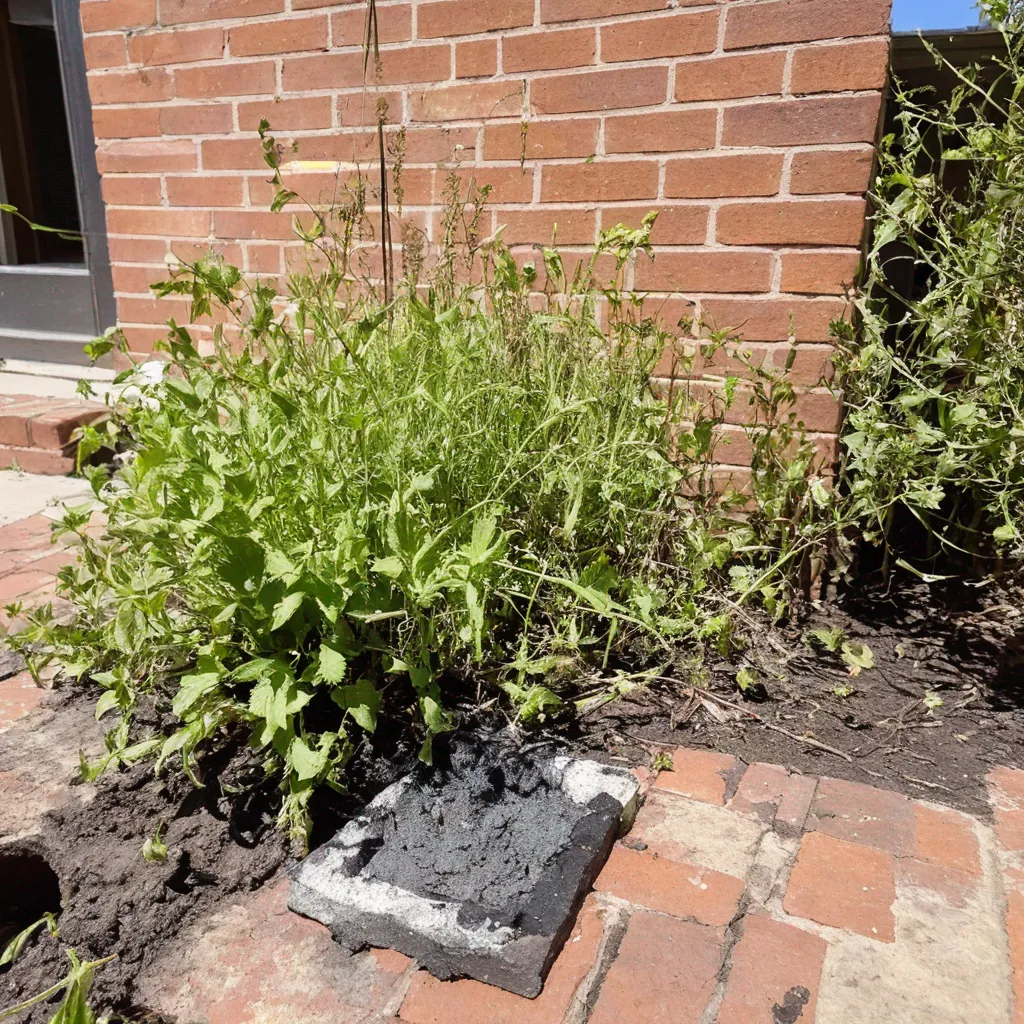
It starts with good intentions. You want your plant to grow faster, bigger, greener. So you add a little extra fertilizer. Then maybe a little more next week. It seems fine until one day the leaf tips turn brown and crispy, looking like they’ve been torched. This isn’t dehydration; it’s chemical burn from the inside out. I learned this lesson by accidentally turning a lush Pothos into what looked like dried beef jerky.
Fertilizer burn is one of those mistakes that sneaks up on you. You start with the best intentions (happy, healthy plants!), and then suddenly you’re staring at brown, crispy edges wondering what went wrong. The good news is that most plants can recover if you catch it early enough. The bad news is that those damaged leaves aren’t coming back.
Let me walk you through what fertilizer burn actually looks like, how to fix it, and how to avoid doing it in the first place.
Signs of crispy brown tips
Section titled “Signs of crispy brown tips”The first thing you’ll notice is the leaf tips. They start turning brown, and not in a soft, droopy way. These tips feel dry and papery, like they’ve been toasted. The brown usually starts at the very edge of the leaf and works its way inward. On some plants, you’ll see a yellow halo around the brown part before it fully crisps up.
I’ve learned to distinguish fertilizer burn from other problems because it has a specific pattern. When my monstera had fertilizer burn last year, the browning showed up on the newest leaves first. The edges turned dark brown and curled under slightly. It looked different from underwatering (which makes leaves droop before they brown) or low humidity (which causes more uniform browning across the leaf surface).
According to the University of Maryland Extension, fertilizer burn happens when soluble salts accumulate in the soil and damage plant roots. These salts pull water out of the roots through osmosis, essentially dehydrating the plant from the inside out. The leaf tips and edges show damage first because they’re the farthest point from the roots and get the least amount of water.
You might also notice a white or crusty buildup on the soil surface or around the drainage holes. That’s salt accumulation, and it’s a dead giveaway that you’ve been overdoing it with the fertilizer. I’ve seen this white crust form on the rim of terracotta pots especially. It looks chalky and sometimes has a slightly yellow tinge to it.
Another sign is stunted new growth. If your plant suddenly stops putting out new leaves, or the new leaves come in smaller and deformed, excess fertilizer might be stressing it out. I had a philodendron that produced three tiny, twisted leaves in a row before I realized I was overfeeding it.
The tricky part is that fertilizer burn can look similar to other problems. Brown tips can also come from tap water with high mineral content, low humidity, or inconsistent watering. You need to think about what you’ve been doing lately. Have you been fertilizing regularly? Did you recently increase the strength or frequency? Did you fertilize dry soil? (Never do this, by the way. Always water first.)
Flushing the soil
Section titled “Flushing the soil”Once you’ve identified fertilizer burn, you need to get those excess salts out of the soil. Flushing is basically running a large amount of water through the pot to wash away the buildup.
Here’s how I do it. First, I take the plant to the sink or bathtub. I use room temperature water because cold water can shock the roots. Then I water slowly until water comes out of the drainage holes. But I don’t stop there. I keep watering, letting the water run through the soil for about five minutes. The goal is to use roughly four times the volume of the pot. So if you have a six-inch pot, you’d run about 24 inches worth of water through it. I know that sounds like a lot, but you need that volume to actually dissolve and carry away the salt buildup.
I let the water drain completely between passes. I’ll water thoroughly, let it drain for a minute, then water again. I repeat this maybe four or five times. The water that comes out the bottom will often look slightly tea-colored at first. That’s normal. You’re washing out fertilizer residue and accumulated salts.
After flushing, I let the plant drain completely before putting it back in its decorative pot or saucer. The soil will be soaking wet, so you don’t want it sitting in water. This is important because you’ve just saturated the roots, and now they need air to recover.
One warning from the Clemson Cooperative Extension: flushing removes not just the excess fertilizer but also any remaining nutrients in the soil. Your plant will need food again eventually, but give it time to recover first. Wait at least a month before you fertilize again, maybe longer.
I’ve also found that flushing works best if you catch the problem early. If the salt buildup is severe, or if the roots are badly damaged, you might need to repot into fresh soil instead. I had to do this with a snake plant once. When I pulled it out, the roots were brown and mushy at the tips. Fresh soil gave it a clean start.
If repotting, shake off as much of the old soil as you can without damaging the roots too much. Rinse the roots gently under lukewarm water. Then pot up in fresh, quality potting mix. Don’t add any fertilizer to the new soil. The plant needs time to heal.
 Above: A close up look at the problem.
Switching fertilizers
Section titled “Switching fertilizers”After I burned my pothos, I started reading labels more carefully. Not all fertilizers are created equal, and some are much easier to overdo than others.
Most liquid fertilizers you buy at the store are concentrated. The label will say something like “10-10-10” or “20-20-20.” Those numbers represent the percentage of nitrogen, phosphorus, and potassium. Higher numbers mean more concentrated fertilizer. I used to think bigger numbers meant better results. Wrong. Higher concentration just means it’s easier to accidentally burn your plants.
I switched to a more dilute fertilizer after my pothos incident. I now use one that’s formulated for houseplants at half the strength the bottle recommends. The University of Georgia Extension actually suggests this approach. They say it’s better to fertilize more frequently with a weak solution than to hit plants with a strong dose once a month.
Some people swear by organic fertilizers like fish emulsion or worm castings. These release nutrients more slowly, which makes them harder to overdo. I tried fish emulsion once and had to stop because my apartment smelled like a dock for three days. My partner was not happy. But if you can handle the smell (or keep your plants outside), organic options are gentler on roots.
Slow-release fertilizer pellets are another option. You mix them into the soil, and they break down gradually over several months. I use these for some of my plants, especially the ones I tend to forget about. The downside is that you have less control. If you add too many pellets and the plant starts showing burn, you can’t just flush them out. You’d have to repot.
I’ve also learned to read the fine print on fertilizer bottles. Some are designed for outdoor plants or heavy feeders like vegetables. Those formulations are way too strong for most houseplants. Look for products specifically labeled for houseplants or foliage plants.
The other thing I changed was my fertilizing schedule. I used to fertilize year-round because I thought plants in my warm apartment were always growing. But according to research from Iowa State University Extension, most houseplants slow down significantly in winter even indoors. Lower light levels mean less photosynthesis, which means they need less food. Now I only fertilize from March through September, and I skip it entirely in the darker months.
Prevention
Section titled “Prevention”The best cure for fertilizer burn is not getting it in the first place. I’ve developed a few habits that keep my plants from turning crispy.
First, I fertilize less than the bottle recommends. If it says once a month, I do once every six weeks. If it says full strength, I use quarter strength. I’d rather underfeed than overfeed. A slightly hungry plant will just grow slower. An overfed plant gets damaged.
I never fertilize dry soil. This was my biggest mistake with that pothos. I’d fertilize on my regular watering day without checking if the soil was already moist. When you add fertilizer to dry soil, the concentration around the roots becomes too high before the plant can absorb it. Now I always water with plain water first, wait an hour, then come back and fertilize if I’m going to.
I also pay attention to what my plants are telling me. If a plant isn’t actively growing, I don’t fertilize it. My peace lily goes through phases where it just sits there doing nothing for months. During those times, it doesn’t need food. I wait until I see new growth starting before I reach for the fertilizer bottle.
Flushing with plain water every few months helps prevent salt buildup even if you’re not overdoing the fertilizer. I do this maybe three or four times a year, usually when I notice any white crust forming on the soil. It’s like a reset button for the pot.
The type of water you use matters too. I learned from the University of New Hampshire Extension that tap water can contain minerals that add to salt buildup. If you have hard water, those minerals combine with fertilizer salts and make the problem worse. I started using filtered water for my more sensitive plants, and I’ve noticed less crusty buildup.
Pot choice makes a difference as well. Terracotta pots wick moisture and salts to the surface where they evaporate, which is why you see that white crust on them. Plastic or glazed ceramic pots keep salts in the soil longer. Neither is better or worse, but it helps to know what’s happening so you can adjust.
 Above: The tools you need to fix this.
Recovery time
Section titled “Recovery time”Here’s the hard truth: those brown, crispy tips aren’t going to turn green again. Once a leaf is damaged, that damage is permanent. But the plant itself can absolutely recover and put out healthy new growth.
After you flush the soil and stop fertilizing, expect to wait a while before you see improvement. The plant needs time to repair its root system and get back to normal metabolic function. According to North Carolina State University Extension, it can take anywhere from a few weeks to a few months depending on how severe the burn was and how fast the plant naturally grows.
My pothos took about six weeks before I saw new, healthy leaves emerging. The damaged leaves stayed brown and sad-looking, but the new growth came in perfect. Eventually, I trimmed off the worst of the burned leaves once the plant had put out enough new growth to look decent again.
Some plants bounce back faster than others. Pothos, philodendrons, and other fast growers will show new growth within a month or so if conditions are good. Slower plants like snake plants or ZZ plants might take three or four months. You just have to be patient.
During recovery, treat your plant gently. Make sure it’s getting the right amount of light and water. Don’t fertilize at all for at least a month, maybe two. The plant is stressed, and you want to give it the best possible conditions without adding any more variables.
If new growth comes in healthy and green, you know the worst is over. You can think about fertilizing again, but start with a very dilute solution and watch carefully for any signs of trouble. I went a full three months before I fed my pothos again, and when I did, I used quarter-strength fertilizer.
One thing that helped me was keeping notes. I started writing down when I fertilized each plant and at what strength. It sounds excessive, but it kept me from accidentally doubling up or forgetting that I’d already fed something. I use a simple notebook, nothing fancy. Just dates and what I did.
The experience taught me that plants are pretty forgiving. They want to live. If you catch problems early and give them what they need to recover, most of them will pull through. That pothos is still alive today, huge and trailing across my bookshelf. You’d never know I almost killed it with kindness.
References
Section titled “References”University of Maryland Extension. “Houseplant Fertilization.” Home and Garden Information Center.
Clemson Cooperative Extension. “Fertilizing Houseplants.” HGIC 1450.
University of Georgia Extension. “Growing Indoor Plants with Success.” Circular 672.
Iowa State University Extension and Outreach. “Houseplant Fertilization.” Horticulture and Home Pest News.
University of New Hampshire Extension. “Houseplant Care.” Family, Home & Garden Education Center.
North Carolina State University Extension. “Diagnosing Houseplant Problems.” Consumer Horticulture.