Why Is My Monstera Dying? (And How to Fix It)
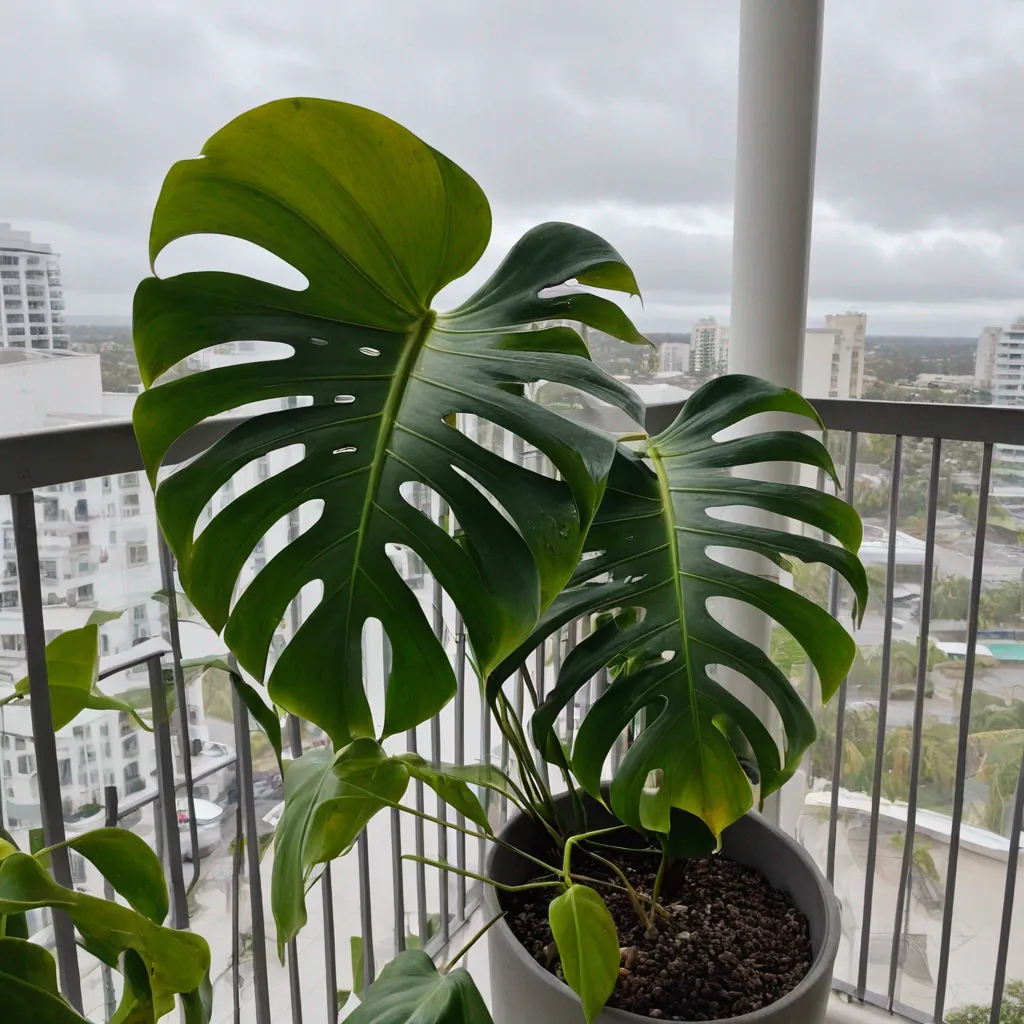
Monstera deliciosas are hardy, aggressive growers, which makes seeing one struggle all the more concerning. When those iconic fenestrated leaves start to droop, yellow, or develop brown spots, it’s rarely a subtle hint. It’s a scream for help.
Because Monsteras are so resilient, they can tolerate a fair amount of mistakes—up to a point. Usually, by the time the plant looks visible “dying,” the underlying issue has been brewing for a while. Whether it’s the insidious creep of root rot or a sudden pest invasion, identifying the root cause quickly is usually enough to trigger a full recovery.
Diagnosing the cause of yellow leaves
Section titled “Diagnosing the cause of yellow leaves”Yellow leaves are the number one reason people message me asking what went wrong. The frustrating part is that yellow leaves can mean about five different things, so you have to play detective a little.
First, check if it is just one or two lower leaves turning yellow. If the rest of the plant looks fine and it is only the oldest, bottom leaves, that is completely normal. Monsteras shed old leaves as they grow. I used to freak out about this until I read that it is just part of their natural cycle. The plant is redirecting energy to new growth. You can snip off the yellow leaf once it is mostly gone.
Now, if you are seeing yellow leaves all over the plant, or new leaves are coming in yellow, that is a different story. The most common cause is overwatering. I know everyone says this, but it is true. When the roots sit in soggy soil for too long, they cannot pull up nutrients properly, and the leaves start to yellow from the bottom up.
Here is how to check: stick your finger about two inches into the soil. If it is still damp or wet, hold off on watering. Monsteras like to dry out a bit between waterings. I water mine about once a week in summer and every ten days in winter, but your schedule will depend on your home’s humidity and light levels. The key is to water deeply when you do water, then let the soil dry out in the top few inches before you water again.
Yellow leaves can also mean not enough light. Monsteras can tolerate lower light, but they will not thrive in it. If your plant is in a dark corner and the leaves are pale yellow or yellowish-green, try moving it closer to a window. Mine sits about six feet from an east-facing window, and it has been much happier since I moved it there from across the room.
Less common but still possible is a nutrient deficiency. If your Monstera has been in the same soil for over a year and you have never fertilized it, the yellowing might be from depleted nitrogen. I use a balanced liquid fertilizer diluted to half strength once a month during spring and summer. The University of Florida’s IFAS Extension notes that houseplants in containers need occasional feeding because they cannot pull nutrients from the ground like outdoor plants can.
Why are my Monstera leaves curling?
Section titled “Why are my Monstera leaves curling?”Curling leaves make the plant look so unhappy, like it is folding in on itself. I have seen this happen two ways: leaves curling inward (like a taco) or curling under at the edges.
When leaves curl inward, it usually means the plant is thirsty. This is the Monstera’s way of reducing the surface area exposed to air so it loses less water. It is actually kind of smart when you think about it, but it also means you have waited too long to water. Feel the soil. If it is bone dry several inches down, give it a thorough soak. I water mine until water runs out the drainage holes, then I let it drain completely before putting it back in its spot.
The tricky thing is that curling can also happen if the air is too dry. I live in a dry climate, and in winter when the heat is on, my Monstera’s leaves would curl even when the soil was damp. I started misting it every few days, and that helped a bit. What really made the difference was moving it away from the heating vent and grouping it with other plants to create a little humid microclimate. Some people use a humidifier, which works great if you have one. I do not, so I just try to keep it away from dry air blasts.
Leaves curling under at the edges is often a sign of overfertilizing or salt buildup in the soil. If you have been feeding your plant every week or using full-strength fertilizer, the salts can accumulate and burn the roots. You will sometimes see a white crust on the soil surface too. To fix this, flush the soil by running water through the pot for a few minutes, letting it drain completely. Then cut back on fertilizer. I learned this the hard way after getting a little overzealous with plant food.
 Above: A close up look at the symptoms.
Treating root rot before it’s too late
Section titled “Treating root rot before it’s too late”Root rot is the thing I was most scared of when I started keeping plants, and honestly, it is serious. But it is also fixable if you catch it early enough.
You will suspect root rot if your Monstera has yellow leaves, the soil smells swampy or sour, and the plant seems to be declining even though you have tried adjusting water and light. The real test is to check the roots. Gently pull the plant out of its pot (I know, it is nerve-wracking the first time). Healthy roots are white or light tan and firm. Rotted roots are brown or black, mushy, and they might smell bad.
If you find root rot, you need to act fast. I had to do this with my Monstera about a year ago. Here is what I did, based on advice from a horticulture extension publication from North Carolina State University: I trimmed off all the mushy, dark roots with clean scissors. I cut back to where the root tissue was still firm and healthy, even if that meant removing a lot of roots. Then I let the plant sit out of soil for a few hours so the cuts could dry a little.
Next, I repotted it in completely fresh, well-draining soil. I use a mix of regular potting soil with added perlite and orchid bark to make it chunkier and faster draining. The pot must have drainage holes. I cannot stress this enough. If your pot does not drain, the plant will eventually get root rot again.
After repotting, I watered it lightly, just enough to settle the soil, and then I did not water again until the top few inches were dry. The plant looked rough for a few weeks, but it eventually pushed out new growth. If you have removed a lot of roots, you might want to trim back some leaves too, so the plant is not trying to support more foliage than its root system can handle.
Prevention is easier than treatment. Make sure your pot drains well, do not water on a strict schedule (only water when the plant needs it), and do not let the pot sit in a saucer of water for hours.
Why your Monstera is drooping sadly
Section titled “Why your Monstera is drooping sadly”A drooping Monstera just looks pitiful. The leaves hang down, the stems flop over, and the whole plant seems defeated. There are a few reasons this happens.
The first and most obvious is underwatering. If the soil is dry and the plant is droopy, it needs water. After you water it thoroughly, it should perk up within a day or so. I have had this happen when I went on vacation and forgot to ask someone to water my plants. The Monstera was dramatically wilted when I got back, but it bounced back after a good drink.
Overwatering can also cause drooping, which is confusing because the symptoms look similar. If the soil is wet and the plant is droopy, you are likely dealing with root issues. The roots are drowning and cannot take up water even though it is available. Check for root rot if this is the case.
Sometimes drooping happens right after repotting, which freaks people out. This is transplant shock. The plant is adjusting to its new pot and soil. As long as you did not damage the roots too much, it should recover in a week or two. I try to be gentle when repotting and keep as much of the original root ball intact as possible.
Another cause is temperature stress. Monsteras do not like cold drafts or sudden temperature changes. If your plant is near a drafty window in winter or right under an air conditioning vent in summer, it might droop. I moved mine away from a window that I keep cracked open in winter, and it stopped looking so sad.
Low light over time can also make a Monstera weak and droopy because it is not getting enough energy to keep its structure strong. If your plant has been in low light for months and looks limp, try gradually moving it to a brighter spot. Do not do it all at once or you will shock it. Move it a few feet closer to the window every week until it is in moderate indirect light.
 Above: The tools you need to fix this.
Dealing with brown crispy spots
Section titled “Dealing with brown crispy spots”Brown spots are annoying because they do not go away. Once a leaf has a crispy brown patch, it stays there. But you can stop new ones from forming.
Small brown crispy spots, especially on the edges or tips of leaves, usually mean low humidity or inconsistent watering. When the air is dry, the leaf tips dry out first. I see this most in winter when indoor air gets really dry. Misting helps a tiny bit, but it is not a magic fix. What worked better for me was placing a shallow tray of water near the plant (not under it, just nearby) so the evaporating water adds a bit of moisture to the air. Some people swear by humidifiers, and if you have several tropical plants, it might be worth it.
If the brown spots are larger and kind of irregularly shaped, it could be from inconsistent watering. When the soil goes from bone dry to soaking wet over and over, the plant gets stressed and you will see brown patches. Try to keep your watering more consistent. I set a reminder on my phone to check the soil every few days so I do not forget about it.
Brown spots with a yellow halo around them might be a fungal or bacterial issue, especially if the spots are spreading. This is more common if the leaves stay wet for too long (like from misting at night) or if there is not enough air circulation. I had this happen once, and I removed the worst leaves, stopped misting so much, and moved the plant to a spot with better airflow. It did not spread after that.
Direct sun can also cause brown spots. Monsteras like bright indirect light, but harsh direct sun will burn the leaves and leave crispy brown patches. If your plant is in a south or west-facing window and getting blasted by afternoon sun, move it back a bit or use a sheer curtain to filter the light.
Lastly, if the brown spots look kind of dry and papery and are spreading slowly, check for pests. Spider mites and thrips can cause damage that looks like this. I have not had pests on my Monstera yet (knock on wood), but I check the undersides of the leaves every couple of weeks just in case. If you see tiny bugs or webbing, treat the plant with insecticidal soap or neem oil.
Look, Monsteras are pretty forgiving once you understand what they need. Most problems come down to watering issues or light, and those are fixable. If your plant looks rough right now, do not give up on it. I have brought mine back from the brink more than once, and it is now one of my favorite plants. Give it some time, adjust what is not working, and chances are it will pull through.
References
Section titled “References”University of Florida IFAS Extension. “Houseplant Fertilization.” Environmental Horticulture Department. https://edis.ifas.ufl.edu
North Carolina State University Extension. “Root Rot in Container Plants.” Department of Horticultural Science. https://plants.ces.ncsu.edu