Cleaning Plant Leaves
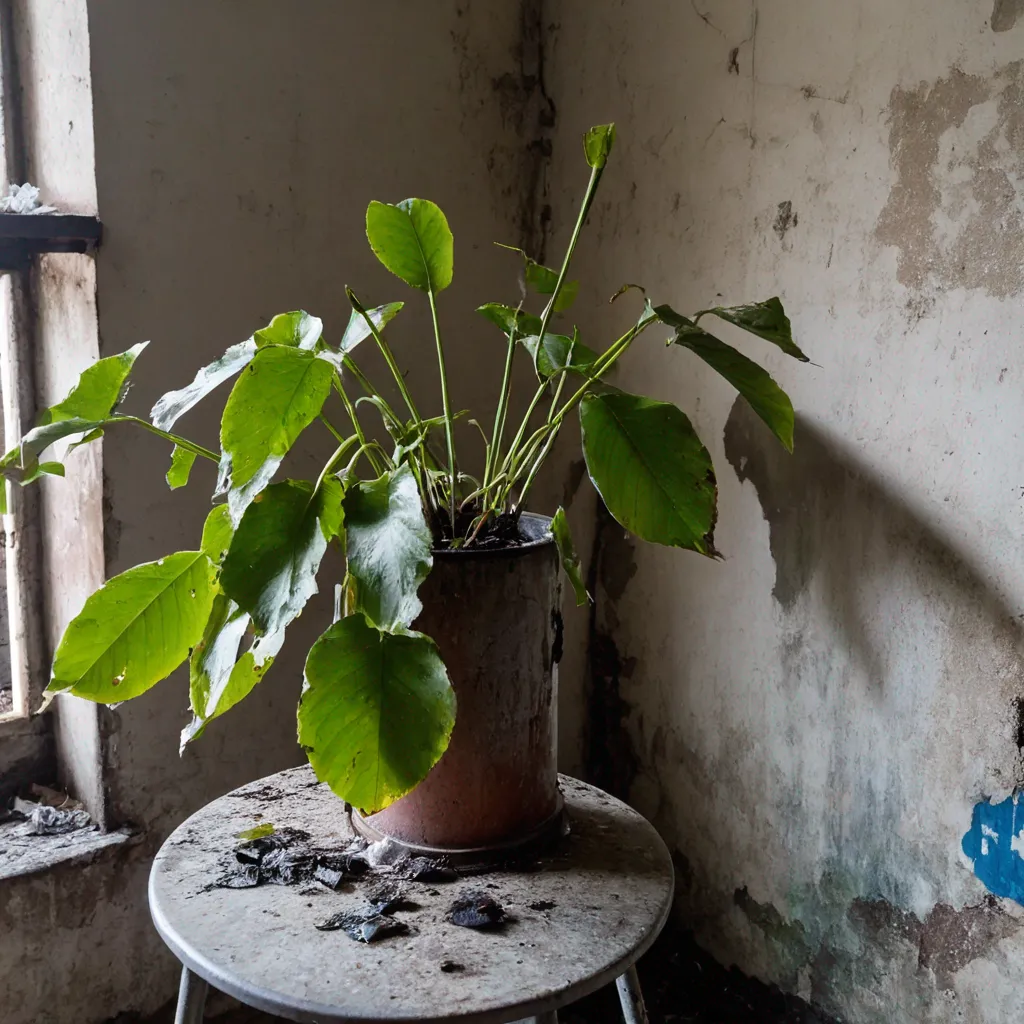
We spend a lot of time worrying about watering, light, and soil, but we often forget one simple fact: plants breathe through their leaves. In our homes, those leaves get covered in dust, cooking grease, and pet hair. It’s not just cosmetic; a dirty leaf is a suffocating leaf. Cleaning them is one of the fastest ways to boost your plant’s health, turning dull, dusty foliage into the glossy jungle vibes you see on Instagram.
Cleaning plant leaves isn’t just about making them pretty for Instagram. It’s about keeping them healthy. Dust blocks light, which means your plant can’t photosynthesize as well. And if you’re like me and live near a busy street, that dust also comes with a side of pollution that your plants really don’t need.
Here’s what I’ve learned about keeping leaves clean without making it a massive chore or accidentally damaging them.
Removing dust for health
Section titled “Removing dust for health”When dust settles on leaves, it creates a barrier between the leaf and the light it needs. According to research from the University of Georgia’s extension program, even a thin layer of dust can reduce the amount of light a leaf absorbs. Plants need that light to make food, so when their leaves are covered, they’re basically trying to work with one hand tied behind their back.
I didn’t really get this until I moved my Pothos closer to a window and noticed how much faster it grew once I started wiping the leaves every few weeks. The new growth was noticeably bigger and greener.
The other issue with dust is that it can trap moisture and create little pockets where pests like spider mites love to hang out. I learned this the hard way when I found webbing on my Rubber Plant. I had been ignoring the dust buildup, and apparently, spider mites saw that as an invitation.
For most smooth-leaved plants, I just use a damp microfiber cloth. I support the leaf from underneath with one hand and gently wipe the top surface with the other. Then I flip it over and do the underside, which is where pests usually hide first. This takes maybe five minutes for a medium-sized plant.
If you have a lot of plants, you don’t need to do this weekly. I aim for once a month, but honestly, sometimes it’s closer to every six weeks. The plants near my kitchen get dustier faster because of cooking grease in the air, so I check those more often.
Some people swear by using a feather duster, but I find that just moves the dust around rather than removing it. A slightly damp cloth actually picks up the dust and any grime that’s stuck to the leaf surface.
For plants with smaller leaves, like my Ficus benjamina, I sometimes just take them to the sink and run lukewarm water over them while gently rubbing each leaf. It’s faster than wiping each tiny leaf individually.
The shower method
Section titled “The shower method”This is my favorite way to clean plants, especially the ones that are too big to wipe leaf by leaf. I have a Fiddle Leaf Fig that would take me an hour to hand-clean, so every month or so, I just drag it into the bathroom and give it a shower.
The key is to use lukewarm water. Not cold, because that can shock the plant, and not hot, because that can damage the leaves. I test the water on my wrist like I’m bathing a baby. If it feels comfortable, it’s fine for the plant.
I let the water run over the leaves for a few minutes, gently rubbing any spots that look extra dirty. The water pressure should be gentle. I’m not trying to blast the leaves off. I just want a nice rinse that mimics rain.
After the shower, I let the plant sit in the tub for about 30 minutes so excess water can drain out of the pot. This is important because I don’t want to drag a dripping plant back across my apartment and leave a trail of water. Also, I don’t want the pot sitting in a puddle, which can lead to root rot.
One mistake I made early on was showering my plants and then putting them right back in a dark corner. Wet leaves in low light can develop fungal issues. Now I make sure they go back to their normal spot where there’s decent air circulation.
The shower method works great for plants like Monsteras, Philodendrons, Pothos, and most tropicals with sturdy leaves. I do this less often in winter when my apartment is colder and things take longer to dry.
I learned from a blog by a hobbyist grower that you can also use this opportunity to check for pests. When the leaves are wet, it’s easier to spot things like scale or mealybugs because they stand out more against the damp surface.
 Above: A closer look at the technique.
Using Neem oil for shine
Section titled “Using Neem oil for shine”I use Neem oil on my plants, but not really for shine. I use it because it helps prevent pests and has some mild fungicidal properties. The shine is just a side effect.
Neem oil comes from the seeds of the Neem tree, and according to research published in the Journal of Agricultural and Food Chemistry, it contains compounds that disrupt the life cycle of many common plant pests. I started using it after I had a recurring problem with fungus gnats, and it genuinely helped.
The way I apply it is pretty simple. I mix about a teaspoon of pure Neem oil with a liter of water and a tiny drop of dish soap. The soap helps the oil mix with the water instead of just floating on top. I put this in a spray bottle and mist the leaves, then wipe them down with a soft cloth.
I do this in the evening because Neem oil can cause leaf burn if you apply it and then put the plant in direct sunlight. I learned this from the University of California’s agriculture extension. They recommend applying any oil-based treatment when the plant won’t be in strong light for at least 24 hours.
The oil leaves a slight sheen on the leaves, which I actually like. It’s subtle, not the weird plastic look you get from commercial leaf shine products. And it serves a purpose beyond just looking nice.
I don’t do this to every plant. Some plants, like those with fuzzy leaves, don’t appreciate being coated in oil. And I don’t do it more than once every few weeks because too much oil can actually clog the pores on the leaves.
One thing to watch out for is the quality of the Neem oil. I’ve bought cheap versions that smelled awful and didn’t seem to do much. Now I get cold-pressed Neem oil from a garden center, and it works way better.
Avoiding leaf shine sprays
Section titled “Avoiding leaf shine sprays”Leaf shine sprays are everywhere in garden centers, and they promise to make your plants look like they just came from a magazine shoot. I used one once on my Rubber Plant, and I regretted it immediately.
The problem with most commercial leaf shine products is that they’re basically just coating your plant in a layer of chemicals or wax. This might look good for a day or two, but it blocks the stomata, which are the tiny pores on the leaf surface that the plant uses to breathe and exchange gases.
According to information from the Royal Horticultural Society, blocking these pores can interfere with photosynthesis and respiration. Your plant can’t function properly when it’s suffocating under a layer of artificial shine.
When I used the spray on my Rubber Plant, the leaves looked glossy at first, but then they started attracting more dust than before. The sticky residue from the spray acted like a magnet for every particle floating through my apartment. Within a week, the plant looked worse than it did before I tried to “help” it.
I’ve also read accounts from other hobbyists who said that leaf shine products made their plants more susceptible to pests because the coating interfered with the plant’s natural defenses.
If you want shiny leaves, the best approach is just to keep them clean. A healthy plant with clean leaves will have a natural shine. My Rubber Plant and my Monstera both have gorgeous, glossy leaves, and all I do is wipe them down with water once a month.
Some people use a tiny bit of mayonnaise or milk diluted in water to add shine, but I’ve never tried this. It sounds like it could go bad and smell weird, so I stick with plain water or the occasional Neem oil treatment.
The natural look is better anyway. When every leaf is artificially shiny, it looks fake. A plant should look like a plant, not a plastic decoration.
 Above: What you will need.
Cleaning hairy leaves
Section titled “Cleaning hairy leaves”Hairy leaves are a whole different situation. You cannot wipe them with a wet cloth like you would a Monstera. The hairs trap moisture, and if they stay wet for too long, the leaf can rot or develop fungal problems.
I have an African Violet, and when I first got it, I made the mistake of getting water on the leaves while watering. Within a week, I had brown spots all over the plant. The fuzzy leaves held onto that water, and it basically created the perfect environment for rot.
For plants with hairy or fuzzy leaves like African Violets, Begonias, and some Peperomias, I use a soft brush instead of a cloth. I have a clean, dry paintbrush that I use only for plants. I gently brush the dust off the leaves, being careful not to press too hard.
This method comes from advice I found on a hobbyist forum where someone who grows competition African Violets shared their cleaning routine. They recommended a soft makeup brush or a small paintbrush with natural bristles.
I do this over a sink or a piece of paper so the dust doesn’t just fall back onto the plant. It takes a little longer than wiping, but it’s the only safe way to clean these types of leaves.
You can also use a can of compressed air, the kind you use to clean keyboards. I tried this once, and it worked okay, but you have to be really gentle with the pressure. Too much force can actually damage the delicate hairs or even tear the leaf.
Another option is to just let rain do the work if you can put the plant outside during a gentle rain. But I live in an apartment without a balcony, so this isn’t an option for me. And even if it were, I’d be nervous about sudden downpours or temperature changes.
The key with hairy leaves is patience. You can’t rush it. I spend maybe ten minutes every month or so gently brushing my African Violet, and that’s enough to keep the dust from building up to the point where it blocks light.
I’ve also learned to position these plants where they won’t get as dusty in the first place. My African Violet lives on a shelf away from the window and the door, so it doesn’t get hit with as much airborne dust as my plants near the entryway.
Cleaning plant leaves has become one of those tasks I actually enjoy. It gives me an excuse to really look at each plant, check for problems, and notice new growth. And honestly, there’s something satisfying about seeing a plant go from dusty and dull to clean and healthy with just a few minutes of attention.
References
Section titled “References”University of Georgia Extension. “Indoor Plant Care.” UGA Extension, accessed through their horticulture program resources.
Journal of Agricultural and Food Chemistry. Studies on neem oil compounds and their effects on plant pests, various publications.
University of California Agriculture and Natural Resources. “Pest Notes: Neem Oil.” UC IPM Online, guidelines for safe application of horticultural oils.
Royal Horticultural Society. “Houseplant Care: Cleaning Leaves.” RHS Advisory Service guidance documents.
African Violet Society hobbyist forums and competition grower guides, various online community discussions on specialized plant care.