Alocasia Care: Growing Elephant Ears
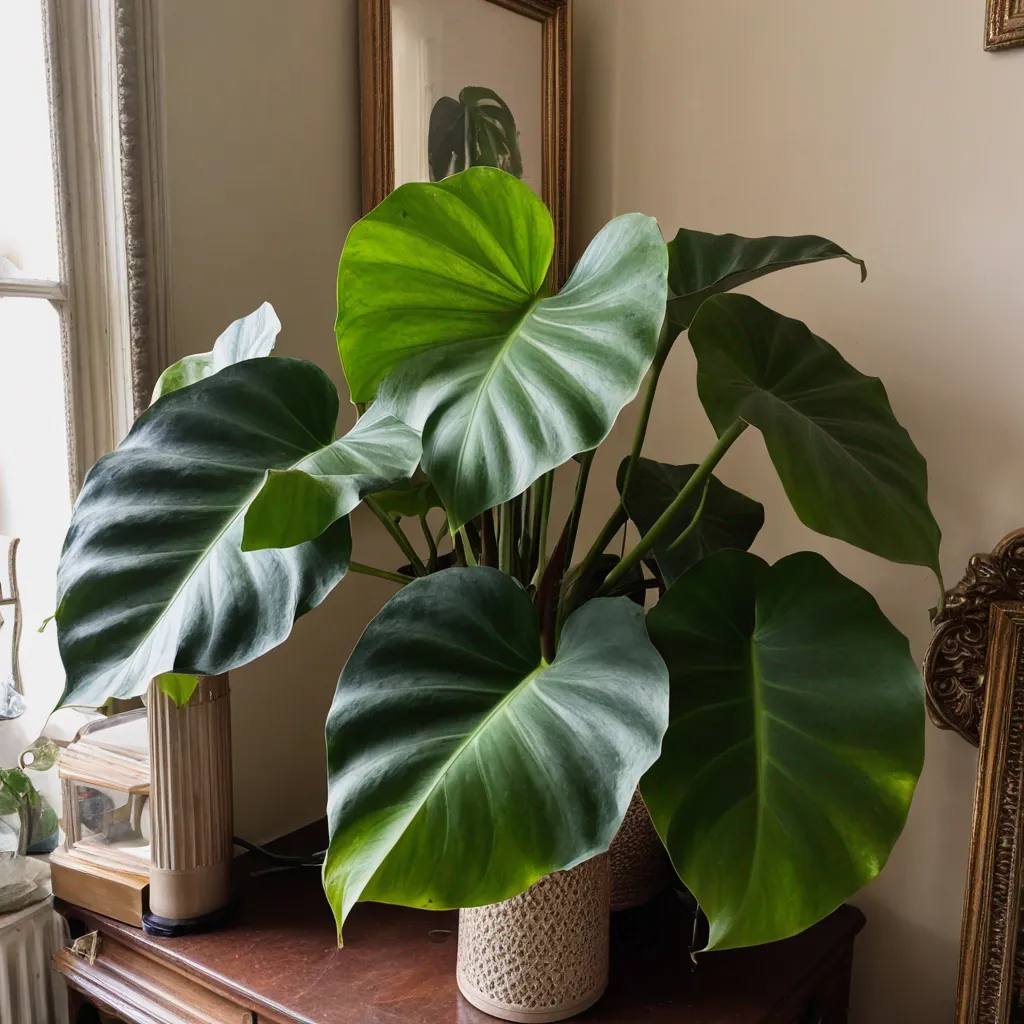
They look like prehistoric giants. With arrow-shaped leaves that can grow larger than a dinner plate and stems that look like snake skin, Alocasias are the definition of a statement plant. But bringing one into a standard living room is often a recipe for disaster. These are true jungle dwellers, and they don’t just prefer high humidity—they demand it. I learned this after watching my first Alocasia turn into a dormant pot of dirt in under three months.
That was two years ago. Now I have three different Alocasias, and they are actually thriving. The trick was not treating them like my pothos or snake plant. Alocasias want completely different things, and once I stopped guessing and started paying attention to what they actually need, everything changed.
If you just brought one home or you are watching yours decline and feeling lost, I get it. These plants look dramatic and tropical because they are dramatic and tropical. They come from Southeast Asia where it rains constantly and the air feels like a wet blanket. Your living room is nothing like that, so you have to make some adjustments.
High humidity requirements for Alocasia
Section titled “High humidity requirements for Alocasia”This is the part that tripped me up hardest. I thought misting would be enough. It was not even close.
Alocasias want humidity between 60% and 80%. Most homes sit around 30% to 40%, especially in winter when the heater runs. I bought a cheap hygrometer from Amazon for like eight dollars, and seeing that number drop to 28% in January explained why my Alocasia polly was getting crispy edges no matter how much I watered.
You can group plants together to create a little microclimate, and that helps some. I have my Alocasias clustered near my calatheas and ferns on a wide tray. But honestly, that only bumped the humidity up by maybe 5%. It was not enough.
I caved and bought a small humidifier. I run it near my plant shelf for a few hours every day, and the difference was immediate. The leaves stopped browning at the tips. New growth came in without those weird dry patches. If you are serious about keeping an Alocasia happy, a humidifier is not optional. You can find one for thirty dollars that works fine.
Some people swear by pebble trays. You fill a shallow tray with stones, add water until it almost covers the stones, then set the pot on top. The water evaporates and creates humidity around the plant. I tried this. It raised the humidity directly around the pot by maybe 3%, which helped a tiny bit but was not a game changer. Still, if you cannot do a humidifier, it is better than nothing.
Bathrooms get suggested a lot because of shower steam, but mine does not have a window. My Alocasia started stretching toward the door after a week because the light was terrible. If your bathroom has good natural light, go for it. Otherwise, you will trade humidity problems for light problems.
According to research from the University of Florida’s Environmental Horticulture Department, Alocasias grown below 50% humidity show reduced leaf size and increased susceptibility to spider mites. I learned about the spider mites the hard way. Low humidity stresses the plant, and stressed plants attract pests like a magnet.
The ‘Chunky’ soil mix recipe
Section titled “The ‘Chunky’ soil mix recipe”Regular potting soil will kill your Alocasia. I am not exaggerating. These plants grow from rhizomes (thick underground stems), and if those rhizomes sit in soggy soil, they rot. Game over.
Alocasias need what people call a “chunky” mix. The soil has to drain fast but still hold some moisture. It sounds contradictory, but it works.
Here is what I use, and my plants have been happy in it for over a year now. I mix equal parts of regular potting soil, perlite, and orchid bark. Sometimes I add a handful of charcoal because I read it helps prevent rot, though I am not sure how much difference it actually makes.
The orchid bark creates air pockets. The perlite keeps things light and helps water drain through. The potting soil holds just enough moisture so the roots do not completely dry out between waterings. When I water, I can see it drain through the bottom in seconds instead of sitting there in a puddle.
You can buy pre-made aroid mixes online, and they work great if you do not want to deal with mixing your own. I used one from a small shop on Etsy for a while. But mixing it yourself is way cheaper, especially if you have multiple plants.
One thing I learned by accident is that you should not pack the soil down when you pot the plant. I used to press it firm around the roots because I thought that was how you are supposed to do it. But chunky mix needs to stay loose and airy. Just fill the pot and let it settle on its own when you water.
Some growers add coco coir or sphagnum moss to their mix. I tried that once and found it held too much water for my apartment. My place is already on the humid side in summer, so the extra moisture retention caused the rhizome to get mushy. If you live somewhere really dry, adding a bit of coco coir might help. Just watch how long the soil stays damp.
 Above: A closer look at this plant.
Bright light for big leaves
Section titled “Bright light for big leaves”The leaves are why you bought the plant, right? Those huge, dramatic elephant ears only happen if the plant gets enough light.
I had my first Alocasia about six feet from an east-facing window. It survived but looked pathetic. The leaves stayed small, and the stems grew long and stretched out as the plant reached for more light. When I moved it right next to a south-facing window with a sheer curtain, the next leaf came in twice as big.
Alocasias want bright, indirect light. Direct sun will scorch the leaves and leave you with brown, papery spots that never go away. But too little light and the plant just sulks. It might not die immediately, but it will not grow much either.
I keep mine within three feet of a window. If the sun comes in strong during the afternoon, I have a thin white curtain that diffuses it. On cloudy days or in winter when the sun is weak, I pull the curtain back completely.
If you do not have a bright window, you can use a grow light. I started doing this in winter because my south-facing window gets maybe five hours of weak light during the shortest days. I bought a full-spectrum LED bulb and put it in a regular desk lamp. I keep it on for about 10 to 12 hours a day, positioned maybe a foot above the plant. It worked well enough to get me through the dark months without losing too many leaves.
Texas A&M AgriLife Extension notes that insufficient light is one of the top reasons Alocasias fail indoors. The plant compensates by producing smaller leaves and longer petioles (leaf stems), which makes the whole plant look leggy and weak.
One more thing about light: rotate your plant every week or so. Alocasias will grow toward the light source, and if you leave it in one position, it starts leaning hard to one side. I spin mine a quarter turn every time I water so it grows more evenly.
Understanding winter dormancy
Section titled “Understanding winter dormancy”This freaked me out the first time it happened. I thought my plant was dying.
It was late November. The days were getting shorter, my heater was running, and my Alocasia started dropping leaves. One turned yellow, then another, then another. I panicked and tried everything. More water, less water, more humidity, moving it closer to the light. Nothing worked. By January, I was down to two leaves and genuinely thought I had killed it.
Then in March, a new leaf popped up. Then another. By May, the plant looked better than it ever had.
Turns out, Alocasias go dormant in winter. Not all of them do it every year, and some varieties are more prone to it than others, but it is completely normal. When the light levels drop and temperatures cool down, the plant basically goes to sleep. It might drop most or all of its leaves. The rhizome stays alive underground, and when conditions improve in spring, it starts growing again.
Once I understood this, I stopped panicking. Now when my Alocasia starts dropping leaves in late fall, I just cut back on watering and wait it out. I check the rhizome every few weeks to make sure it still feels firm (not mushy or rotted), and then I leave it alone.
During dormancy, I water maybe once every three weeks, just enough to keep the soil from turning into dust. I do not fertilize at all. The plant is resting and does not need food.
Some people dig up the rhizome and store it in barely damp peat moss over winter, then replant it in spring. I have not tried that because it seems like a lot of work, and my plants have done fine just staying in their pots.
If your Alocasia is not going dormant and keeps pushing out new leaves all winter, that is also fine. It depends on the variety and your growing conditions. My Alocasia zebrina has never fully gone dormant, while my polly drops leaves like clockwork every December.
 Above: Getting started with care.
Common Alocasia varieties
Section titled “Common Alocasia varieties”There are dozens of Alocasia varieties, and they all have slightly different needs and looks. Here are the ones I have experience with or see most often at nurseries.
Alocasia polly (also called Alocasia amazonica) is probably the most common. It has dark green leaves with white veins and a compact size, which makes it good for smaller spaces. This was my first one. It is one of the easier varieties but still needs high humidity and good light. It goes dormant on me every winter without fail.
Alocasia zebrina has these incredible striped stems that look like zebra print. The leaves are more arrow-shaped and a lighter green than polly. I got mine as a small plant last spring, and it has put out four new leaves since then. It seems slightly more tolerant of lower humidity than my polly, though I still run the humidifier nearby.
Alocasia macrorrhiza (Giant Taro) is huge. I have not bought this one because my apartment ceiling is only eight feet tall and I have read these can grow leaves over three feet long. If you have the space, they look incredible, but they need a lot of light and a big pot.
Alocasia frydek has velvety leaves with bright white veins. It is stunning but reportedly fussier about humidity. I almost bought one last month but talked myself out of it because I know my winter humidity drops too low and I did not want to deal with another crispy plant.
Alocasia black velvet stays small and has thick, almost black leaves with silver veins. It is one of the few that can handle slightly lower light, which makes it more forgiving for apartments. I want one eventually but have not found it locally yet.
According to the Missouri Botanical Garden, most Alocasias in cultivation are hybrids or selected cultivars rather than true species, which explains why care requirements can vary even within the same named variety.
If you are just starting out, I would go with Alocasia polly. It is the most available, relatively affordable, and while it is not easy, it is also not the hardest. Once you figure out the humidity and soil situation with that one, the others follow the same basic rules.
The main thing with any Alocasia is accepting that it is not a low-maintenance plant. It wants attention. But if you can give it the chunky soil, the humidity, and the bright light, it will reward you with those huge, glossy leaves that make everyone who visits ask what it is.
References
Section titled “References”University of Florida Environmental Horticulture Department. “Alocasia Production Guide.” UF/IFAS Extension.
Texas A&M AgriLife Extension. “Indoor Plant Care: Alocasia Species.” Texas A&M University.
Missouri Botanical Garden. “Alocasia Plant Finder.” Missouri Botanical Garden Plant Database.