Why Are My Pothos Leaves Turning Yellow?

The golden pothos is the golden child of houseplants—hardy, fast-growing, and forgiving. But when those vibrant green leaves start turning yellow, it throws a wrench in the “easy care” narrative. A yellow leaf here and there is natural, but widespread yellowing is a signal you shouldn’t ignore.
The trouble is that yellow leaves are a generic symptom for completely different problems. Your plant could be drowning in wet soil, or it could be parched. It might be hungry for nutrients, or just naturally shedding an old leaf. Decoding the context is the only way to get your green back.
Is it old age or overwatering?
Section titled “Is it old age or overwatering?”The first yellow leaf I ever saw on my Pothos sent me into a spiral. I changed the soil, moved it to a different window, and basically harassed the poor thing for a week. Turns out, the leaf was just old.
Pothos leaves don’t last forever. The plant grows new leaves at the top, and eventually, the older ones at the bottom turn yellow and drop off. This is normal. If you’re only seeing one or two yellow leaves near the base of the plant, and the rest looks healthy, you’re probably fine. I usually just snip them off with clean scissors once they’re mostly yellow. It keeps the plant looking tidy and lets it focus energy on the new growth.
But here’s where it gets tricky. Overwatering also causes yellow leaves, and it’s way more common than people think. I learned this the hard way with a Pothos I kept in my bathroom. I thought the humidity would be great for it, but I was also watering it on a schedule (Mondays, because I’m that person) without checking if it actually needed water.
The difference between old age and overwatering comes down to which leaves are yellowing and what the soil feels like. With overwatering, you’ll see multiple leaves turning yellow at once, sometimes higher up on the plant, not just the bottom ones. The leaves might feel soft or mushy. And this is the big one: the soil stays wet for days after you water.
Stick your finger about two inches into the soil. If it’s damp or wet down there, don’t water. Pothos like to dry out a bit between waterings. I know it feels wrong to let a plant get dry, but trust me on this. According to research from the University of Florida’s IFAS Extension, Pothos (Epipremnum aureum) are epiphytes in nature, meaning they grow on trees and aren’t used to sitting in constantly wet soil.
If you think you’ve been overwatering, stop watering immediately. Let the soil dry out. I’ve saved plants by not watering them for two or three weeks. It feels like plant neglect, but it works. You can also check the roots by gently sliding the plant out of its pot. Healthy roots are white or light tan. If they’re brown, black, or smell like a swamp, you’ve got root rot. At that point, you’ll need to trim off the dead roots with clean scissors and repot in fresh, dry soil.
One more thing I learned from the Missouri Botanical Garden: make sure your pot has drainage holes. I used to put plants in decorative pots without drainage because they looked cute on my shelf. Bad idea. The water just sits at the bottom and slowly kills the roots.
Diagnosing brown crispy tips
Section titled “Diagnosing brown crispy tips”Yellow leaves are one thing, but brown crispy tips are a whole different problem. I first noticed this on my Pothos that sits on top of my bookshelf. The tips of the leaves looked like someone took a tiny blowtorch to them.
Crispy brown tips usually mean the air is too dry or you’re underwatering. I live in an apartment with radiator heat, and in winter, the humidity drops to basically desert levels. My Pothos hated it. The tips would turn brown and crunchy, and sometimes the edges would curl up.
Here’s how I figured out which one it was: I checked the soil. If the soil was bone dry and pulling away from the sides of the pot, I wasn’t watering enough. If the soil felt okay but the air in my apartment was making my own skin crack, it was a humidity issue.
For underwatering, the fix is obvious. Water more often. But don’t go overboard and swing too far in the other direction. I use the finger test every few days. When the top two inches of soil are dry, I water thoroughly until it drains out the bottom.
For low humidity, I had to get creative. I don’t own a humidifier (they’re on my list, but I keep spending money on more plants instead). What worked for me was grouping my plants together. They create a little humidity bubble for each other. I also moved my driest Pothos away from the radiator and closer to my kitchen, where there’s more moisture in the air from cooking.
Some people mist their plants, but honestly, I’ve found it doesn’t do much. The water evaporates too quickly to make a real difference. If you really want to boost humidity, you can put the pot on a tray filled with pebbles and water. Just make sure the bottom of the pot isn’t sitting in the water. As the water evaporates, it creates humidity around the plant.
Another cause of crispy tips that I didn’t know about for years: tap water. If your tap water has a lot of fluoride or chlorine, it can build up in the soil and burn the leaf tips. I noticed this after I moved to a new apartment with different water. Switching to filtered water helped. You can also leave tap water out in an open container overnight to let the chlorine evaporate.
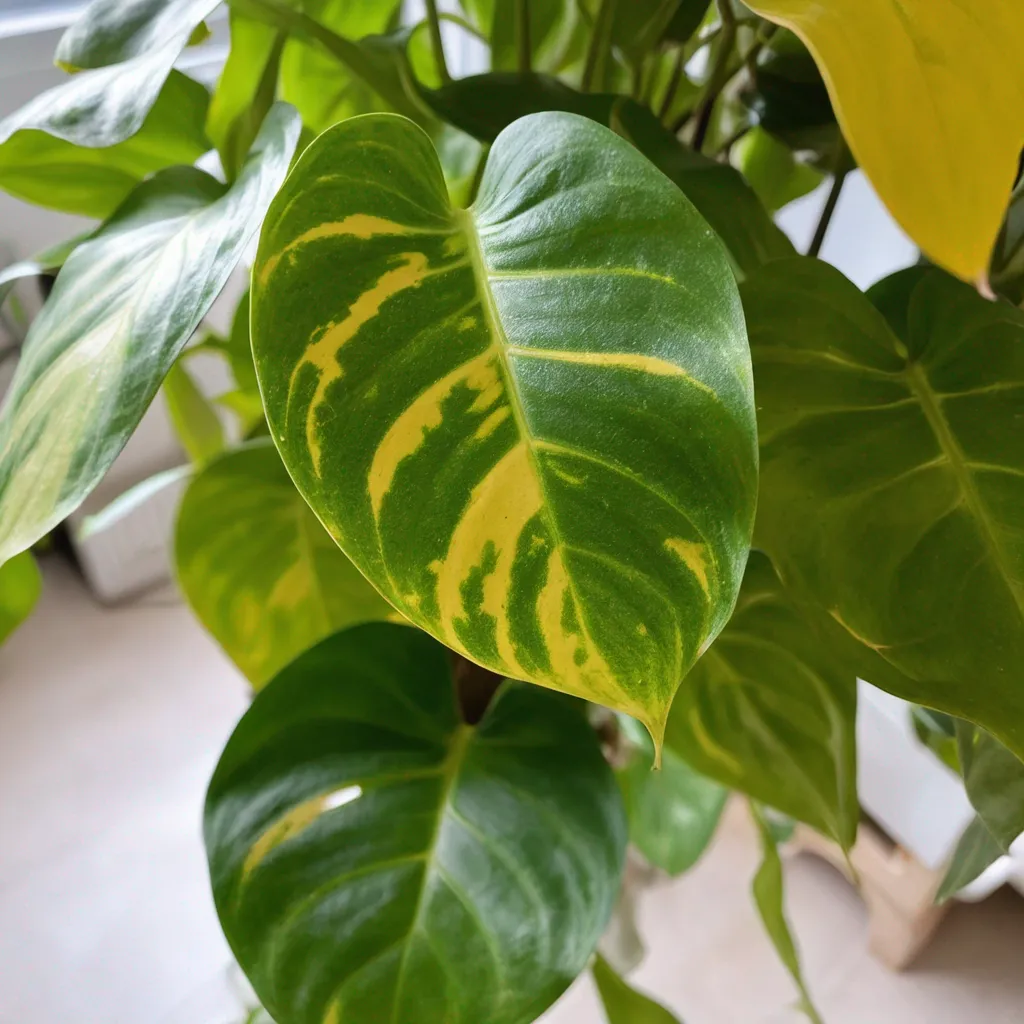 Above: A close up look at the symptoms.
Why your Pothos looks leggy and bald
Section titled “Why your Pothos looks leggy and bald”This is the problem that bugs me the most because it makes the whole plant look sad and scraggly. Leggy growth is when the vines get really long with big gaps between the leaves. Instead of a full, bushy plant, you get these thin vines with a few leaves spaced far apart.
The cause is almost always light. Not enough light, specifically. Pothos can survive in low light, which is why people stick them in dark corners and basements. But surviving isn’t the same as thriving. When a Pothos doesn’t get enough light, it stretches toward whatever light source it can find. The stems grow long and thin, and the plant produces fewer, smaller leaves.
I had a Pothos in my hallway that got almost no natural light. It was alive, technically, but it looked terrible. Long, naked vines with sad little leaves every six inches. When I moved it closer to a window, the new growth came in so much fuller.
Pothos don’t need direct sunlight (actually, direct sun can scorch the leaves), but they do need bright, indirect light to look their best. I keep mine a few feet away from east or north-facing windows. If you don’t have great natural light, a grow light works too. I bought a cheap clip-on LED grow light for my darker spots, and it made a huge difference.
Here’s the frustrating part: once the stems are leggy, they stay leggy. You can’t make the existing bare vines fill in with leaves. What you can do is prune them back. I know it feels wrong to cut off half your plant, but it forces the plant to put out new growth from the base, which will be fuller if it’s getting enough light.
When I prune, I cut the vines back to a few inches above the soil. Then I stick the cuttings in water to root them, and once they’ve got a good root system, I plant them back in the same pot. This makes the plant look bushier. It’s basically plant trickery, but it works.
According to the University of Georgia Extension, Pothos benefit from regular pruning to maintain a compact shape. They recommend cutting back up to one-third of the plant at a time if it’s gotten too leggy.
Checking for hidden pests under leaves
Section titled “Checking for hidden pests under leaves”I never thought I’d have to deal with pests on an indoor plant. Bugs are supposed to stay outside, right? Wrong. I discovered aphids on my Pothos last spring, and I’m still a little traumatized by it.
The tricky thing about pests is that they hide. They hang out on the undersides of leaves where you won’t see them unless you actually flip the leaves over and look. I only found mine because I noticed sticky residue on the shelf under the plant. That’s honeydew, which is a polite word for bug poop.
The most common pests on Pothos are spider mites, aphids, mealybugs, and scale. Here’s how to spot them:
Spider mites are tiny, almost invisible, but they leave fine webbing between the leaves and stems. The leaves might look dusty or speckled. Aphids are small, soft-bodied bugs that cluster on new growth. They can be green, black, or brown. Mealybugs look like tiny cotton balls stuck to the stems and leaf joints. Scale insects look like small brown or tan bumps on the stems. They don’t move, so you might think they’re part of the plant.
If you find pests, don’t panic. I did panic, and I almost threw the whole plant away. But you can get rid of them. First, isolate the plant so the bugs don’t spread to your other plants. Then, take the plant to the sink or shower and rinse it off thoroughly. This gets rid of a lot of the bugs right away.
For anything that’s left, I use insecticidal soap or a mixture of water and a few drops of dish soap in a spray bottle. Spray the whole plant, especially the undersides of the leaves, and let it sit for a few hours before rinsing. You’ll probably need to repeat this every few days for a couple of weeks to get all the bugs and any eggs that hatch.
I’ve also had success with neem oil, though I’m not a huge fan of the smell. It works as both a pesticide and a preventative. The Iowa State University Extension notes that neem oil can be effective against a wide range of houseplant pests when applied thoroughly and repeatedly.
The key is catching pests early. Now I make it a habit to check the undersides of leaves when I water. It takes an extra minute, but it’s way easier to deal with ten bugs than a thousand.
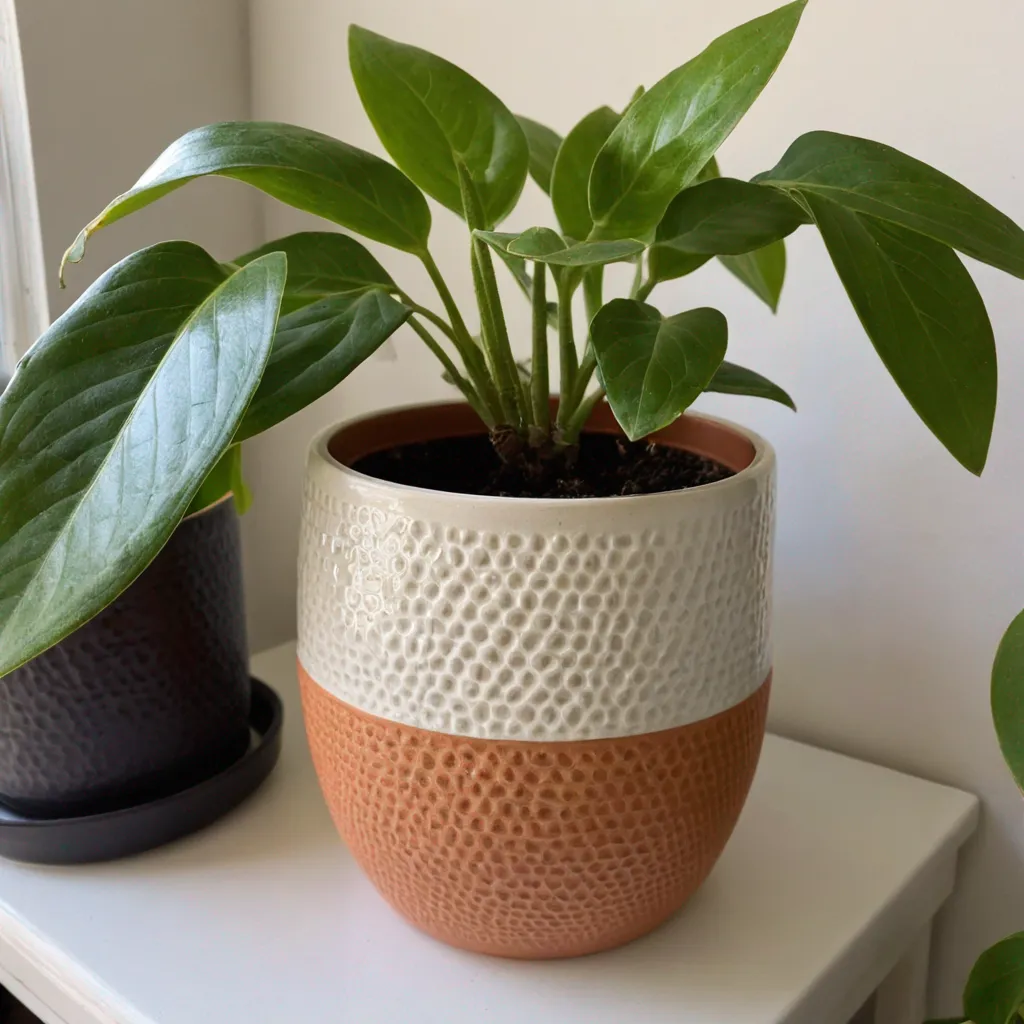 Above: The tools you need to fix this.
Fixing curling leaves quickly
Section titled “Fixing curling leaves quickly”Curling leaves freaked me out the first time I saw them. The leaves on my Pothos were folding inward like tiny tacos, and I had no idea why.
Curling is usually a stress response. The plant is trying to reduce the surface area of its leaves to conserve water or protect itself from something. The most common causes are underwatering, too much light, or pests.
If the soil is dry and the leaves are curling, the plant is thirsty. Give it a good drink and the leaves should uncurl within a day or two. I’ve had leaves perk back up in just a few hours after watering.
If the soil is moist and the leaves are curling, check the light. Is the plant in direct sun? Even a few hours of direct sunlight can be too much for Pothos. The leaves curl to protect themselves from getting burned. Move the plant to a spot with indirect light.
Pests can also cause curling, especially aphids and spider mites. They suck the moisture out of the leaves, which makes them curl and distort. Check under the leaves and treat for pests if you find any.
Temperature stress is another possibility. Pothos don’t like cold drafts or sudden temperature changes. I had one near an air conditioning vent, and every time the AC kicked on, the leaves would curl. Moving it away from the vent solved the problem.
One last thing: sometimes curling is a sign that the plant is root-bound. If the roots have filled up the entire pot and are circling around the bottom, the plant can’t take up water properly even if the soil is moist. Gently slide the plant out of the pot and check. If you see a solid mass of roots, it’s time to repot into a pot that’s one or two inches larger.
The good news is that curling leaves are fixable. Once you address the underlying cause, the leaves usually go back to normal pretty quickly. Just resist the urge to overcompensate. I’ve made things worse by moving the plant three times in one day or drowning it with water because I was anxious. Make one change, give it a few days, and see what happens.
Looking back, most of my Pothos problems came from overthinking things. These plants are tougher than they look. They can bounce back from yellow leaves, brown tips, and even a pretty bad pest infestation. The key is paying attention, making small adjustments, and not panicking every time a leaf looks a little off.
Now when I see a yellow leaf, I take a breath, check the soil, and go from there. Usually, it’s something simple. And honestly, that’s the best part about keeping plants. You learn as you go, you make mistakes, and the plant (usually) forgives you.
References
Section titled “References”University of Florida IFAS Extension. “Epipremnum aureum: Pothos.” Environmental Horticulture Department. https://edis.ifas.ufl.edu/
Missouri Botanical Garden. “Epipremnum aureum.” Plant Finder. http://www.missouribotanicalgarden.org/
University of Georgia Extension. “Growing Indoor Plants with Success.” Cooperative Extension Service. https://extension.uga.edu/
Iowa State University Extension and Outreach. “Houseplant Insect Control.” Horticulture and Home Pest News. https://hortnews.extension.iastate.edu/