Jade Plant Care: The Money Tree
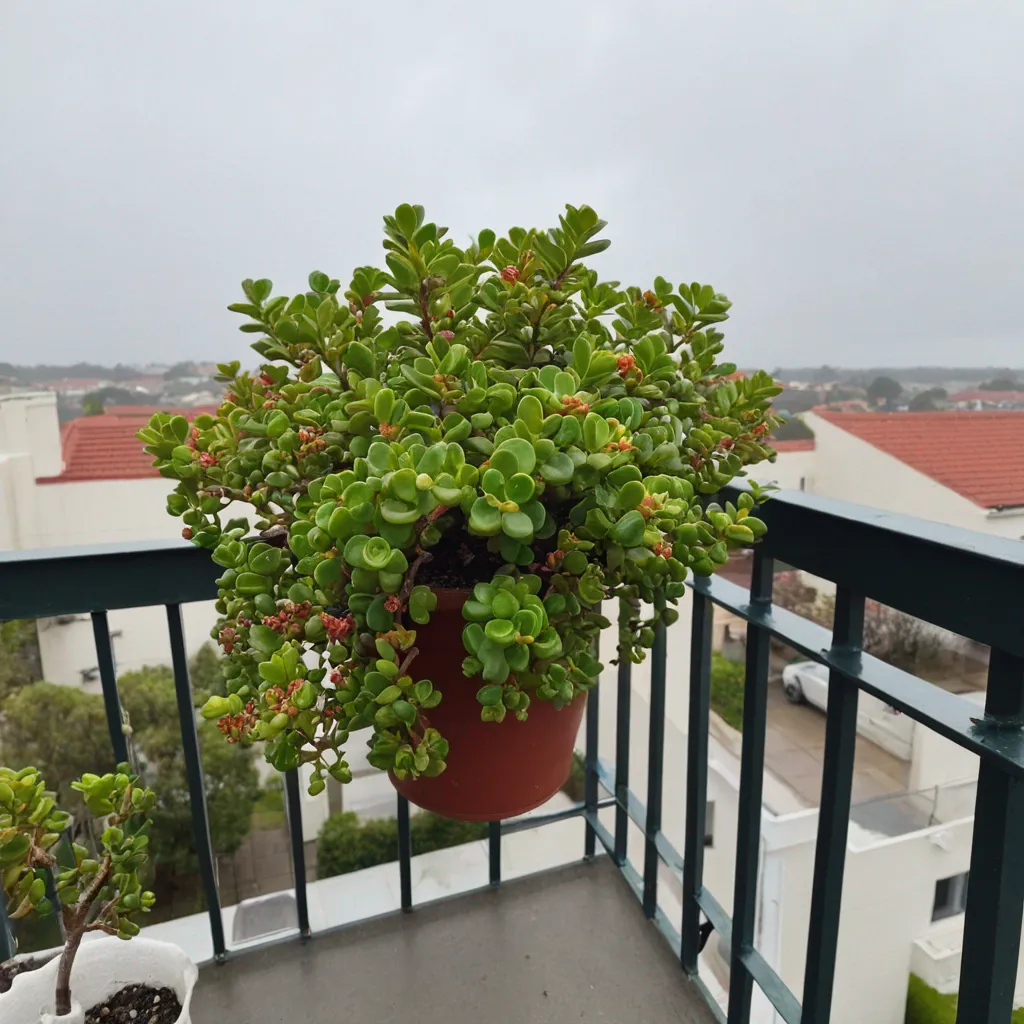
With leaves that look like polished stones and a trunk that ages into a miniature tree, the Jade Plant is a living sculpture. It’s a staple in homes for good luck and longevity, which is ironic considering how quickly they can die in the hands of a well-meaning beginner. The trick is understanding that this plant thrives on neglect, not daily care. I learned this after suffocating my first Jade with kindness—and way too much water.
The thing about Jade Plants (Crassula ovata, if you want the fancy name) is that they look so sturdy. Those thick, glossy leaves make you think they can handle anything. But they’re succulents from South Africa, and they need completely different care than most houseplants. Once I figured that out, my second Jade Plant turned into this chunky little tree that sits on my kitchen windowsill, and I haven’t killed it in over four years now.
People call them Money Trees sometimes, though that gets confusing because there’s also a completely different plant with braided trunks that goes by the same nickname. The Jade Plant earned its name from feng shui traditions where it supposedly brings financial luck. I can’t promise you wealth, but I can tell you how to keep one alive.
Watering a Jade Plant correctly
Section titled “Watering a Jade Plant correctly”Here’s where most people mess up, including past me. Jade Plants store water in their leaves. Those plump, shiny leaves are basically little water tanks. When you water a Jade like you’d water a pothos or a snake plant, you’re drowning it.
I water mine about once every two to three weeks during spring and summer. In winter, I stretch that to once a month, sometimes longer. The key is letting the soil dry out completely between waterings. Not just the top inch. The whole pot needs to dry.
How do I check? I stick my finger down into the soil as far as it goes. If I feel any dampness at all, I wait. Some people use moisture meters, but honestly, the finger test works fine. You can also pick up the pot. A dry pot feels noticeably lighter than a freshly watered one.
When I do water, I water thoroughly. I take the plant to my sink and let water run through until it pours out the drainage holes. Then I let it drain completely before putting it back on the saucer. Never let a Jade sit in standing water. That’s a death sentence.
The University of Minnesota Extension notes that overwatering is the number one killer of Jade Plants, causing root rot that shows up as mushy stems and dropping leaves. I learned this the hard way with plant number one.
One weird thing I’ve noticed is that my Jade tells me when it needs water. The leaves get slightly wrinkled, almost like they’re deflating a bit. Once I see that, I know it’s time. But I still check the soil first because sometimes the lower leaves just do that as they age.
Room temperature water works best. I fill my watering can and let it sit overnight so the chlorine evaporates and the water reaches room temp. Cold water straight from the tap can shock the roots, though I’ve definitely done it in a pinch without killing anything.
Pruning for a tree-like shape
Section titled “Pruning for a tree-like shape”My Jade started as a short, bushy thing. Now it looks like a miniature tree with a thick trunk and branching limbs. Getting that shape takes patience and strategic pruning, but it’s not complicated.
Jade Plants grow from their tips. If you let them go, they’ll just keep extending those branches longer and longer, getting leggy and floppy. To get that tree shape, you need to encourage branching by cutting back the tips.
I use clean scissors or pruning shears. I wipe the blades with rubbing alcohol before cutting because Jade Plants can get bacterial infections through open wounds. Then I snip just above a leaf node, which is where the leaves attach to the stem. Within a few weeks, two new branches usually sprout from that cut point.
The best time to prune is during the growing season, which for my plant is spring and summer. I avoid major pruning in winter when the plant is basically dormant. But honestly, I’ve trimmed off damaged leaves year-round without problems.
If you want a tree shape, you also need to remove the lower leaves as the plant matures. This creates a clear trunk. I don’t do this all at once. Every few months, I’ll pluck off one or two of the lowest leaves to gradually expose more trunk. Patience is key here.
The cuttings don’t go to waste, which brings me to propagation later. But first, know that you can also prune to control size. My apartment isn’t huge, so when my Jade gets too wide, I trim it back. According to research from the University of California Agriculture and Natural Resources, Jade Plants tolerate heavy pruning well and will bounce back quickly during active growth periods.
One thing I wish I’d known earlier is that you can wire Jade branches like bonsai to guide their direction. I haven’t tried this yet, but I’ve seen photos of people gently bending young branches and holding them in place with soft wire until they set in that position. Something to experiment with on my next plant.
 Above: A closer look at this plant.
Best soil for heavy succulents
Section titled “Best soil for heavy succulents”Regular potting soil will kill a Jade Plant eventually. I know because, again, I tried it with my first one. The soil stayed wet too long, and the roots rotted.
Jade Plants need fast-draining soil. I use a succulent and cactus mix from the garden center, but I also add extra perlite or coarse sand to make it even grittier. My current mix is roughly two parts cactus soil to one part perlite. It looks almost rocky, and water runs through it quickly.
Why does this matter? Remember, these plants come from South African regions where the soil is sandy and dries fast. In nature, they might get a good rain and then nothing for weeks. They’re adapted to that cycle. Sitting in moisture is unnatural and harmful for them.
The pot matters too. I only use pots with drainage holes. No exceptions. I’ve seen cute ceramic pots without holes, and I just can’t bring myself to risk it. Terracotta pots work especially well because the clay is porous and wicks moisture away from the soil, helping it dry faster.
When I repot, which I do every two to three years, I go up only one pot size. Jade Plants actually like being slightly rootbound. A pot that’s too large holds too much soil and moisture, creating that overwatering problem again.
The North Carolina State Extension recommends a soil pH between 6.0 and 6.5 for Jade Plants, which most commercial succulent mixes provide. I’ve never tested my soil pH, to be honest, but the plants seem happy.
One tip I picked up from a hobbyist blog is adding a top layer of decorative rocks or coarse sand. This isn’t just for looks. It helps prevent the base of the plant from staying damp, which can cause stem rot where the trunk meets the soil.
Why leaves drop in winter
Section titled “Why leaves drop in winter”Every winter, my Jade drops a few leaves. The first time this happened, I panicked. Was I killing another one? Turns out, some leaf drop in winter is completely normal.
Jade Plants slow down in winter. They’re not actively growing, and sometimes they shed their oldest leaves as part of their natural cycle. The leaves turn yellow, maybe get a bit soft, and fall off. As long as it’s just a few leaves and the new growth looks healthy, there’s nothing to worry about.
But there’s normal leaf drop, and then there’s problem leaf drop. If leaves are falling off in large numbers, or if they’re dropping while still green and firm, something is wrong.
The most common culprit is temperature stress. Jade Plants hate cold drafts. Mine sits near a window, but I make sure it’s not touching the cold glass in winter. I also moved it away from the radiator because the hot, dry air wasn’t doing it any favors either. They like temperatures between 65 and 75 degrees Fahrenheit during the day, with a slight drop at night.
Overwatering in winter is another major cause. Because the plant isn’t actively growing, it uses even less water than usual. I cut way back on watering from November through February. If I water too much during this time, the roots can’t absorb it all, and rot sets in. Rotting roots lead to dropping leaves.
According to a study I read in the Journal of Environmental Horticulture, Jade Plants can also drop leaves in response to sudden changes in light levels. If you move your plant from a bright spot to a darker location, or vice versa, it might react by shedding leaves. This happened when I rearranged my apartment last year and moved my Jade to a different window. It dropped maybe five or six leaves over two weeks, then adjusted and was fine.
Sometimes leaves drop because the plant is thirsty. Remember those wrinkled leaves I mentioned earlier? If I ignore that sign too long, leaves start falling. The plant is basically sacrificing its oldest leaves to conserve the water stored in the younger ones.
The good news is that Jade Plants are tough. Even if you have a rough winter with some leaf drop, they usually recover once spring comes and growing conditions improve.
 Above: Getting started with care.
Propagating Jade from a single leaf
Section titled “Propagating Jade from a single leaf”This is honestly one of my favorite things about Jade Plants. You can grow an entire new plant from a single leaf. It feels like magic, even though it’s just biology.
I’ve propagated Jade leaves dozens of times now, and my success rate is pretty good. Here’s what I do. When I prune my plant or when a healthy leaf falls off naturally, I let it sit on my kitchen counter for a few days. Just leave it alone. The cut end needs to callus over, forming a dry seal. If you stick a fresh cut directly into soil, it’ll probably rot.
After three or four days, when the end looks dry and sealed, I lay the leaf on top of cactus soil mix. I don’t bury it. I just set it there. Then I leave it alone for a week or two.
Eventually, tiny roots start growing from the callused end. Sometimes a baby plant sprouts too, though sometimes you just get roots at first. Once the roots are about a quarter inch long, I bury them very lightly in the soil, leaving the mother leaf on top.
Now comes the tricky part. These baby plants need more water than adult Jades, but not much more. I mist the soil lightly every few days, just enough to keep it barely damp. I don’t drench it like I would when watering a mature plant.
The University of Georgia Extension notes that Jade Plants can also be propagated from stem cuttings, which actually root faster than leaves. I’ve done this too. I cut a three to four inch piece of stem, let it callus, then stick it in soil. Stem cuttings usually root within a month, while leaf propagation can take two or three months before you have a real little plant.
The mother leaf will eventually shrivel up and die as the baby plant uses its stored nutrients. This is normal. Once the new plant is growing on its own, the original leaf has done its job.
I keep my propagating leaves and cuttings in bright, indirect light. Direct sun can scorch them before they’re established. My kitchen windowsill, which gets morning light but is shaded by noon, works perfectly.
Not every leaf will successfully propagate. I’d say about 70 percent of my attempts work. Some leaves just dry up and never do anything. Some start to root and then rot. But the ones that do work turn into new Jade Plants that I give to friends or keep adding to my own collection.
The whole process teaches you patience. You can’t rush it. You just set up the conditions and wait for the plant to do its thing. For me, that’s part of the appeal.
References
Section titled “References”-
University of Minnesota Extension. “Growing Jade Plants Indoors.” Extension Education Resources.
-
University of California Agriculture and Natural Resources. “Jade Plant (Crassula ovata) Cultural Practices and Pest Management.”
-
North Carolina State Extension. “Crassula ovata (Jade Plant) Growing Guide.”
-
Journal of Environmental Horticulture. “Effects of Light and Temperature on Succulent Plant Growth and Stress Responses.”
-
University of Georgia Extension. “Propagation Methods for Common Houseplants.”