Indoor Herb Garden Guide
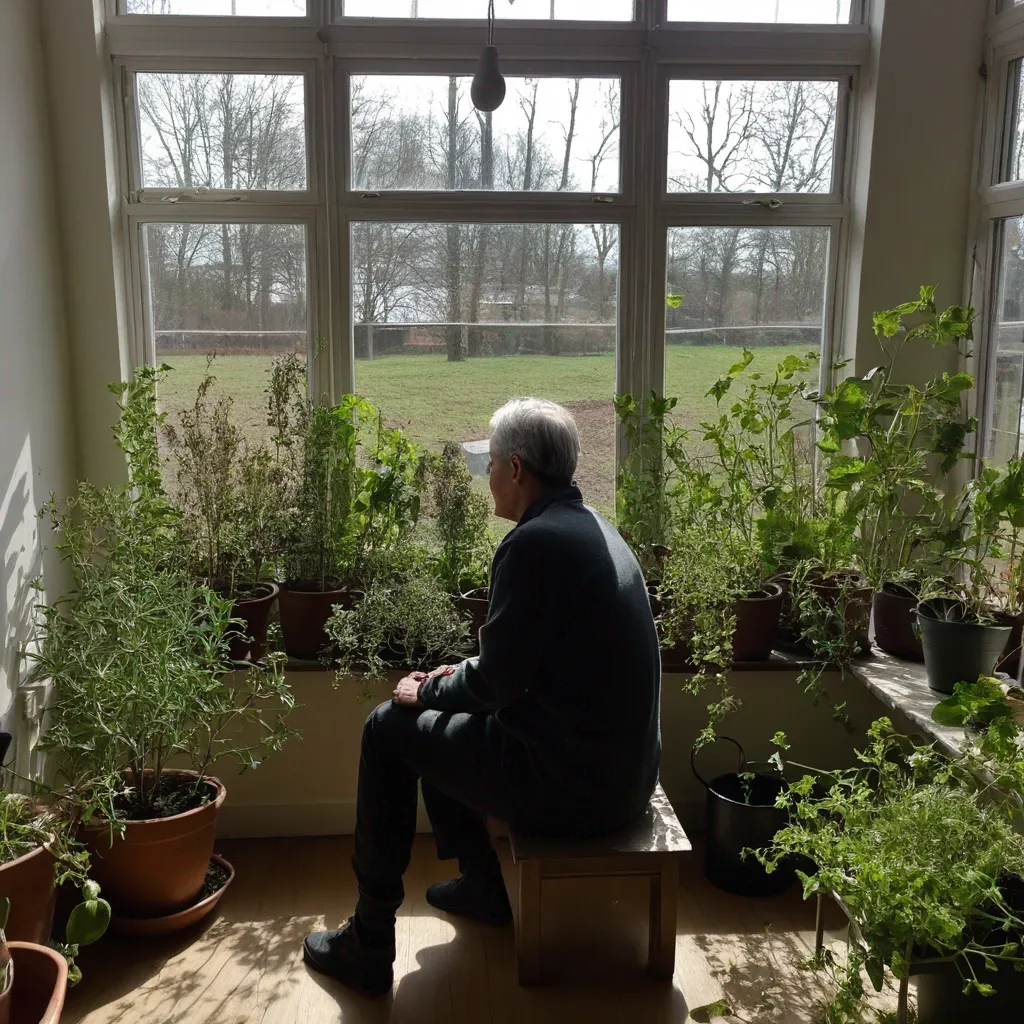
Supermarket basil is designed to die. That lush, green pot you buy next to the tomatoes is packed with twenty seedlings competing for life in a thimble of soil. It’s not your fault when it wilts three days later. Growing herbs indoors is a constant battle against low light and dry air, but with the right expectations (and a lot of aggressive pruning), you can actually make it work. I learned this after killing three basil plants in a row, thinking I was just a bad gardener.
That was three years ago, and I have learned a few things since then. Growing herbs indoors is not quite the same as keeping a pothos alive. Herbs want more from you. They need the right light, the right amount of water, and honestly, some of them just do not want to live inside your apartment no matter how hard you try.
If you are thinking about starting an indoor herb garden, I want to save you from making the same mistakes I did. This is not going to be one of those posts that makes it sound easy and magical. Growing herbs indoors takes some effort, but once you figure out what each plant actually needs, it gets a lot more manageable.
Why Basil hates being indoors
Section titled “Why Basil hates being indoors”Basil is the drama queen of the herb world. I say this with love because I keep trying to grow it anyway, but you need to know what you are getting into.
The main problem is that basil comes from warm, sunny places. It evolved in tropical regions of central Africa and Southeast Asia, and it expects a lot of sun and warmth. When you bring it indoors, you are asking it to survive in conditions it was never designed for.
Most grocery store basil is grown in greenhouses with perfect conditions, then shipped to stores where it sits under fluorescent lights. By the time you buy it, the plant is already stressed. Then you take it home to your apartment where the light is even worse, and the poor thing just cannot cope.
According to the University of Maryland Extension, basil needs at least six hours of direct sunlight per day. Not bright indirect light. Not a spot near a window. Actual direct sun hitting the leaves. Most indoor spaces cannot provide that, especially in winter.
The temperature thing is just as bad. Basil starts to suffer when temperatures drop below 50 degrees Fahrenheit. If your plant is sitting near a drafty window in winter, or if you keep your apartment cool at night, basil is going to struggle. I learned this the hard way when I kept mine on a windowsill and the leaves started turning black at the edges. Turns out the window was colder than I realized.
Basil also hates dry air, which is pretty much every apartment with heating in winter. When the humidity drops, the leaves start to curl and brown. I tried misting mine every day, but it did not help much. What actually works better is grouping plants together so they create their own little humid zone, or putting a shallow tray of water with pebbles under the pot.
Here is what I do now: I only try to grow basil indoors from late spring through early fall when my south-facing window gets enough sun and the temperature stays warm. In winter, I either buy fresh basil from the store when I need it, or I use dried. It is not worth the frustration of watching another plant slowly die.
If you really want to grow basil year-round, you probably need a grow light. I have not invested in one yet because my apartment is small and I am not sure where I would put it, but people in the houseplant groups I follow swear by them.
Growing Mint in pots
Section titled “Growing Mint in pots”Mint is the opposite of basil. This plant wants to take over your life.
I started growing mint two years ago after reading that it was one of the easiest herbs for beginners. What they do not always tell you is that mint spreads like crazy. If you plant it in the ground, it will send out runners and pop up everywhere. Your entire garden bed can become a mint bed if you are not careful.
That is actually why mint is perfect for indoor growing. Keeping it in a pot contains it. The plant still grows fast and full, but it cannot escape and invade everything else.
I grow spearmint and chocolate mint (which smells amazing, by the way). Both do well in my apartment. Mint is much more forgiving about light than basil. It can handle partial shade, which makes it good for kitchens or bathrooms that do not get direct sun. Mine sits in an east-facing window where it gets morning light, and it has been happy there for months.
The key with mint is not to let the soil dry out completely. According to research from the University of Illinois Extension, mint likes consistently moist soil. Not soggy or waterlogged, just damp. I check mine every few days and water when the top inch of soil feels dry.
One thing I wish I had known earlier: mint gets leggy if you do not trim it regularly. The stems will grow long and sparse instead of bushy. Now I pinch off the top leaves every couple of weeks, which forces the plant to branch out and stay compact. Plus, I get fresh mint for tea.
Mint is also pretty good about telling you when something is wrong. If the leaves start turning yellow, you are probably overwatering. If they look pale or washed out, the plant might need more nutrients. I feed mine with a diluted liquid fertilizer about once a month during the growing season.
The only real problem I have had with mint is that it sometimes attracts fungus gnats, especially if I let the soil stay too wet. Those little flies are annoying but not usually harmful to the plant. I just let the soil dry out a bit more between waterings and they go away.
 Above: A closer look at this plant.
Light needs for herbs
Section titled “Light needs for herbs”This is where most people mess up, including me for the first year.
We think a bright room is enough. We put our herbs on the kitchen counter or on a shelf near a window and assume that is fine. But most herbs need actual direct sunlight, and indoor light is way weaker than we realize.
I tested this with a light meter app on my phone (yes, they exist and they are free). What looked like a bright spot in my kitchen was only getting about 200 foot-candles of light. Most herbs need at least 1000 to 2000 foot-candles to really thrive.
Different herbs have different requirements. Basil, rosemary, and thyme all need strong, direct light for at least six hours a day. Parsley and cilantro can handle a bit less, maybe four to five hours. Mint and chives are the most tolerant and can survive in partial shade, though they will grow slower.
The direction your window faces makes a huge difference. South-facing windows get the most light in the Northern Hemisphere. East-facing windows get gentle morning sun, which works for some herbs but not the sun-lovers. West-facing windows get hot afternoon sun. North-facing windows get almost no direct sun at all and are basically useless for most herbs.
I only have one south-facing window in my apartment, so that is where I keep my basil (when I am attempting it) and my thyme. Everything else has to make do with less light or I just do not grow it.
Seasonal changes matter too. In summer, my south window gets great light. In winter, the sun is lower in the sky and only shines directly into the room for a few hours. My herbs always look sadder from November through February.
If you do not have good natural light, grow lights are really your only option. The University of Georgia Extension recommends full-spectrum LED lights positioned about six to twelve inches above the plants. You need to run them for 12 to 16 hours a day to simulate outdoor conditions.
I know that sounds like a lot, but if you are serious about growing herbs indoors year-round, it is what the plants need. I have been considering getting a small LED setup for my mint and parsley, but I have not pulled the trigger yet.
Harvesting to encourage growth
Section titled “Harvesting to encourage growth”The first time I harvested from my mint plant, I felt guilty. I took a few sprigs and worried I was hurting it. Turns out I had it completely backward.
Herbs actually grow better when you harvest from them regularly. When you cut or pinch off the top growth, the plant responds by producing more stems and leaves. It gets bushier instead of tall and leggy.
The key is how you harvest. You want to cut just above a leaf node, which is where leaves attach to the stem. This encourages the plant to branch out from that point. If you just tear off random leaves, you can damage the stem and slow growth.
For mint, basil, and other leafy herbs, I pinch off the top two to four inches of each stem every couple of weeks. This keeps the plant compact and full. With woody herbs like rosemary and thyme, I trim individual stems but I am more careful not to cut into the old woody growth.
Never harvest more than one-third of the plant at once. That is the rule I learned from the Cornell Cooperative Extension. Taking too much at once stresses the plant and it takes longer to recover.
Also, always harvest in the morning after the dew has dried but before the sun gets too hot. The essential oils in the leaves are most concentrated then, so the flavor is better. I usually do my harvesting around 9 or 10 a.m. on weekends.
If your herb starts to flower, pinch off the flower buds right away (unless you want seeds). Once most herbs flower, they put their energy into reproduction and the leaves become bitter. Basil is especially bad about this. I have to check mine constantly during summer and remove any flower stems that try to form.
 Above: Getting started with care.
Watering needs
Section titled “Watering needs”This is where I killed my first three herb plants. I either drowned them or let them dry out completely, and I could not figure out the right balance.
Here is what I have learned: there is no universal watering schedule. The internet will tell you to water herbs every three days or twice a week, but that is useless advice. It depends on your pot size, your soil mix, your temperature, your humidity, and how much light the plant is getting.
The only reliable method is to check the soil. I stick my finger about an inch down into the soil. If it feels dry, I water. If it still feels damp, I wait another day or two. This works for most herbs.
Some herbs like it drier than others. Rosemary, thyme, and oregano are Mediterranean plants that evolved in rocky, dry soil. They hate wet feet. I let the soil dry out more between waterings for these. According to the Missouri Botanical Garden, overwatering is the number one killer of rosemary indoors.
Basil and mint, on the other hand, like more moisture. They will wilt dramatically if the soil gets too dry (basil especially loves to throw a tantrum). I water these more frequently.
The pot matters a lot. Terracotta pots dry out faster than plastic or ceramic because they are porous. I use terracotta for my rosemary and thyme because it helps prevent overwatering. For mint and basil, I use glazed ceramic pots that hold moisture a bit longer.
Drainage is non-negotiable. Every pot needs drainage holes. If water cannot escape, the roots will rot. I have killed so many plants by ignoring this rule because I liked a certain pot. Now I either drill holes in pots I love, or I use them as decorative covers with a plain pot inside.
I also learned to water thoroughly when I do water. I used to just sprinkle a little water on top, but that does not reach the roots properly. Now I water until it runs out the drainage holes, which ensures the entire root ball gets moistened.
One last thing: tap water can be a problem if you have heavily chlorinated or softened water. Some herbs are sensitive to chemicals or high salt content. I fill a jug with tap water and let it sit overnight before using it, which allows some of the chlorine to evaporate. It is an extra step but my plants seem happier.
Growing herbs indoors is not as simple as the Instagram posts make it look, but it is doable once you stop expecting perfection. Some plants will die. Some will thrive. You will figure out which herbs work in your space and which ones are not worth the struggle. For me, mint is easy and rosemary is manageable. Basil is still a work in progress. And that is okay.
References
Section titled “References”Cornell Cooperative Extension. “Growing Herbs Indoors.” Cornell University.
Missouri Botanical Garden. “Rosmarinus officinalis (Rosemary).” Plant Finder Database.
University of Georgia Extension. “Growing Herbs Indoors.” Circular 963.
University of Illinois Extension. “Herb Gardening.” Illinois Extension Horticulture Resources.
University of Maryland Extension. “Growing Basil.” Home and Garden Information Center.