Plant Shopping Guide
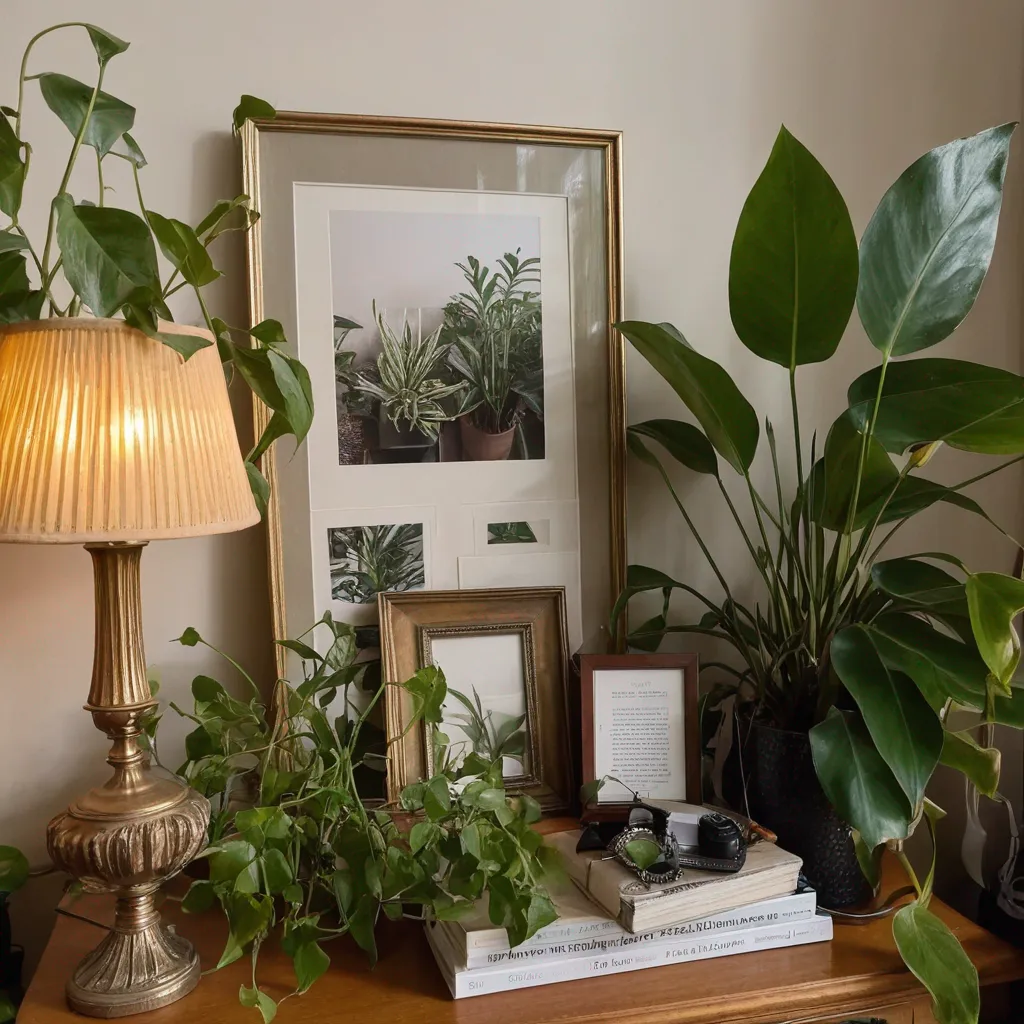
Walking into a plant nursery is like walking into a candy store, if the candy could die in two weeks. It’s overwhelming, exciting, and dangerous for your wallet. But the most beautiful plant on the shelf isn’t always the healthiest. I learned this the hard way after bringing home a “perfect” Pothos that turned out to be a Trojan horse for spider mites. Now, I have a strict inspection routine before any plant crosses my threshold.
Last spring, I brought home a pothos from a big box store that looked fine on the shelf. Two weeks later, I found spider mites everywhere. They spread to three other plants before I caught it. That mistake cost me hours of work and one dead calathea. Now I know what to look for before I hand over my money.
If you want to avoid my mistakes and bring home plants that actually survive, here’s what I’ve figured out through trial, error, and way too much time reading plant forums at 2 AM.
Choosing a healthy plant
Section titled “Choosing a healthy plant”The most beautiful plant in the store is not always the healthiest one. I learned this when I picked the fullest, bushiest snake plant on the shelf and got it home to discover half the leaves were rotting at the soil line. You can’t see everything wrong with a plant just by looking at it from the front.
Start by checking the leaves. Look at both the tops and undersides. Healthy leaves should be firm and the right color for that species. Yellow leaves happen, but if you see more than one or two, that plant is struggling. Brown tips are common and not always a dealbreaker, but crispy or mushy spots are red flags. According to research from the University of Maryland Extension, leaf discoloration often indicates root problems or disease that started weeks before you ever saw the plant.
Pick up the pot and look at the drainage holes. You want to see some roots, but not a tangled mess pushing out of every opening. A plant that’s severely root-bound will struggle when you get it home, even if you repot it right away. On the other hand, if you see no roots at all and the plant wiggles loosely in its pot, it might have been recently repotted and hasn’t established itself yet.
Check the soil. Stick your finger in about an inch if the store doesn’t mind (I always ask first). The soil should feel like soil, not a dense brick or a soaking wet sponge. I once bought a fern that seemed fine until I realized the bottom three inches of soil were completely waterlogged. That poor thing never recovered.
Look at the overall shape. A leggy plant with big gaps between leaves has probably been sitting in low light for months. A lopsided plant might straighten out with proper care, but it might not. Think about whether you have the patience for a project plant or if you want something that already looks good.
One thing I wish someone had told me earlier is to check the stem and the base of the plant. Soft, mushy spots mean rot. Small cuts or damage points can invite infection. The North Carolina State University Extension notes that stem injuries are common entry points for fungal and bacterial diseases in houseplants.
Don’t be afraid to move plants around and really examine them. The store staff might give you a look, but it’s your money and your home. I’d rather spend five extra minutes in the store than five weeks trying to save a sick plant.
Checking for pests in store
Section titled “Checking for pests in store”This is the part I used to skip entirely, and it cost me. Pests are sneaky. They hide under leaves, in the crevices where stems meet the main trunk, and in the top layer of soil. A quick glance will not catch them.
Spider mites are my nemesis. They’re tiny, almost invisible, but you can spot the damage. Look for tiny yellow or white speckles on the leaves, especially near the veins. Turn the leaves over and check for webbing, which looks like super fine silk threads. If you see any of this, walk away. I don’t care how pretty the plant is.
Fungus gnats are easier to spot because they fly around when you disturb the plant. Give the pot a little shake or wave your hand over the soil. If you see small black flies, that plant has fungus gnats. They’re not the worst pest, but they’re annoying and they spread fast once you bring the plant home.
Mealybugs look like tiny cotton balls stuck to stems and leaf joints. They’re slow-moving and easier to spot than mites, but just as destructive. I found them on a jade plant once and spent three months battling them with cotton swabs and rubbing alcohol. Not fun.
Scale insects are tricky because they don’t look like bugs. They look like small brown or tan bumps on stems and leaves. They don’t move much in their adult form, so people mistake them for part of the plant. Run your fingernail over anything that looks like a bump. If it comes off, it’s probably scale.
Check the soil surface too. Pests don’t just live on the plant. Sometimes you’ll see tiny white bugs crawling in the dirt, which could be springtails (harmless) or root aphids (not harmless). According to the University of California Agriculture and Natural Resources, many houseplant pests are introduced through infested soil or infected plants from commercial growers.
I always inspect at least three plants of the same type if the store has multiple. If all of them show signs of pests, the whole batch is probably compromised. Sometimes I’ll ask the staff when they got their shipment in. Fresher stock has had less time to develop problems in the store.
 Above: A closer look.
Nursery vs. Big Box store
Section titled “Nursery vs. Big Box store”I shop at both, and each has its place. The idea that big box stores always sell terrible plants isn’t true, but the quality is inconsistent.
Big box stores are convenient and cheap. I can grab a pothos for eight dollars on my way home from buying lightbulbs. The selection is usually limited to common, hard-to-kill varieties, which is actually perfect when you want something low-maintenance. The problem is that these plants often sit in poor conditions for weeks. Overwatering is common because the staff water on a schedule, not based on what each plant needs. The lighting is usually terrible. I’ve seen sun-loving succulents shoved into dark corners and ferns baking under skylights.
The advantage of big box stores is that their prices can’t be beaten. If you know what you’re looking for and you’re willing to inspect carefully, you can find healthy plants. I’ve gotten some of my best deals there, but I’ve also bought some of my worst plants there. It’s a gamble.
Local nurseries cost more, but the quality is usually better. The staff actually know about plants. I can ask questions and get real answers instead of a blank stare. The plants are generally healthier because they’re cared for by people who understand what they need. According to the American Nursery and Landscape Association, independent garden centers typically source from smaller, specialized growers who focus on plant health over mass production.
Nurseries also carry more unusual varieties. I can’t find a philodendron micans or a string of turtles at a big box store, but my local nursery has both. The trade-off is price. I paid twenty-five dollars for a small hoya at a nursery when I could have bought a huge pothos at the hardware store for ten.
I’ve developed a system. For common plants like pothos, snake plants, and spider plants, I check the big box stores first. For anything more specialized or if I want a gift-quality plant, I go to a nursery. For rare plants or specific cultivars, I order online (more on that next).
One thing about nurseries is that they’re small businesses, and they care about their reputation. If I have a problem, they usually work with me. Big box stores have return policies, but the staff doesn’t know me and doesn’t really care if my plant dies a week later.
Ordering plants online
Section titled “Ordering plants online”I was terrified to order plants online at first. How could a living thing survive being shipped in a box? But I wanted a monstera albo, and I wasn’t going to find one locally. So I took the plunge.
Ordering online opens up access to plants you’ll never see in stores. Rare aroids, uncommon hoyas, specific cultivars, they’re all available if you know where to look. The downside is you can’t inspect the plant before buying, and shipping is expensive and stressful for the plant.
I only order from sellers with detailed reviews and clear photos. Etsy has a lot of plant sellers, and I read through every review looking for comments about packaging, plant quality, and how the seller handles problems. I avoid any seller who only has stock photos and no reviews.
Shipping season matters. I don’t order plants in winter anymore, not after my first attempt arrived frozen solid. Most reputable sellers won’t ship when temperatures are extreme, but some will if you’re willing to pay for heat packs. I stick to spring and fall when temperatures are mild.
Packaging is everything. Good sellers use sturdy boxes, pack the soil so it doesn’t shift, and protect the leaves. I’ve received plants wrapped in tissue paper, secured in their pots, and cushioned with paper or peanuts. I’ve also received plants shoved in a box with dirt everywhere and broken stems. The difference is obvious.
According to a study published in HortTechnology journal, proper packaging and expedited shipping significantly reduce stress and damage to plants during transit. Most serious sellers use two-day or overnight shipping for this reason.
When the plant arrives, I unpack it immediately and inspect it. Some leaf damage is normal after shipping. I don’t panic over a bent leaf or two. But if the plant is completely crushed or the roots are dried out, I document it with photos and contact the seller right away.
I always let shipped plants rest for a few days before repotting or moving them around too much. They’ve been through trauma, and they need time to adjust. I water lightly if the soil is dry and keep them in moderate light while they recover.
Online ordering works best for plants that handle stress well. Pothos, philodendrons, and hoyas ship pretty easily. Delicate ferns or finicky calatheas are riskier. I’ve had good luck overall, but I accept that some percentage of online plant purchases won’t work out.
 Above: What you will need.
Returns and guarantees
Section titled “Returns and guarantees”This is something I didn’t think about until I needed it. What happens if your new plant dies a week after you buy it?
Big box stores usually have generous return policies. Many will take back a dead plant with a receipt, no questions asked. I returned a completely rotted monstera to a hardware store once, and they refunded me on the spot. The downside is that these policies are often time-limited. You might have 30 or 90 days, but after that, you’re on your own.
Local nurseries vary. Some guarantee their plants for a certain period, usually 30 days, as long as you followed care instructions. Others don’t offer any guarantee at all. I always ask before I buy something expensive. A fifty-dollar plant deserves some kind of protection.
Online sellers have different policies, and you need to read them carefully before ordering. Some guarantee that the plant will arrive alive but won’t replace it if it dies later. Others offer a 7 or 14-day guarantee. A few offer no guarantee at all. I won’t order from sellers with no guarantee unless the plant is cheap enough that I don’t care about losing the money.
The University of Georgia Extension recommends keeping your receipt and taking photos of the plant when you get it home. If problems develop, you have documentation showing what the plant looked like initially. I do this with any plant over twenty dollars.
Be honest with yourself about whether the plant’s death was your fault. If you forgot to water it for three weeks and it died, that’s on you. But if you followed care instructions and it still failed, that’s worth pursuing a return or replacement. I killed a ficus by putting it in too much sun, and I didn’t try to return it because that was my mistake.
Some sellers are incredibly generous. I had an online seller replace a hoya that arrived damaged even though their policy said they wouldn’t. I also had a nursery refuse to do anything about a plant that developed root rot two weeks after purchase, even though I hadn’t overwatered it. It depends on the business and the situation.
I’ve learned to see returns and guarantees as part of the overall value. A cheap plant with no guarantee might end up costing more if it dies and I have to replace it. A more expensive plant with a 30-day guarantee gives me peace of mind.
Plant shopping is part research, part inspection, and part gut feeling. I’ve gotten better at it over time, but I still make mistakes. Last month I bought a calathea even though I knew my apartment is too dry for it. (It’s struggling, as expected.) The difference now is that I go into these purchases with my eyes open instead of just hoping for the best.
References
Section titled “References”University of Maryland Extension. “Houseplant Diseases.” University of Maryland Extension Horticulture Information. Accessed through extension resources on common houseplant health issues.
North Carolina State University Extension. “Houseplant Insects & Related Pests.” NC State Extension Publications.
University of California Agriculture and Natural Resources. “Pest Notes: Houseplant and Container Plant Pests.” UC IPM Statewide Integrated Pest Management Program.
American Nursery and Landscape Association. Industry standards and best practices for plant retail and nursery operations.
HortTechnology Journal. Research on plant shipping methods and stress reduction during transit. Published by the American Society for Horticultural Science.
University of Georgia Extension. “Selecting and Purchasing Houseplants.” UGA Extension Horticulture Publications.