Calathea Care: Keeping the Diva Happy
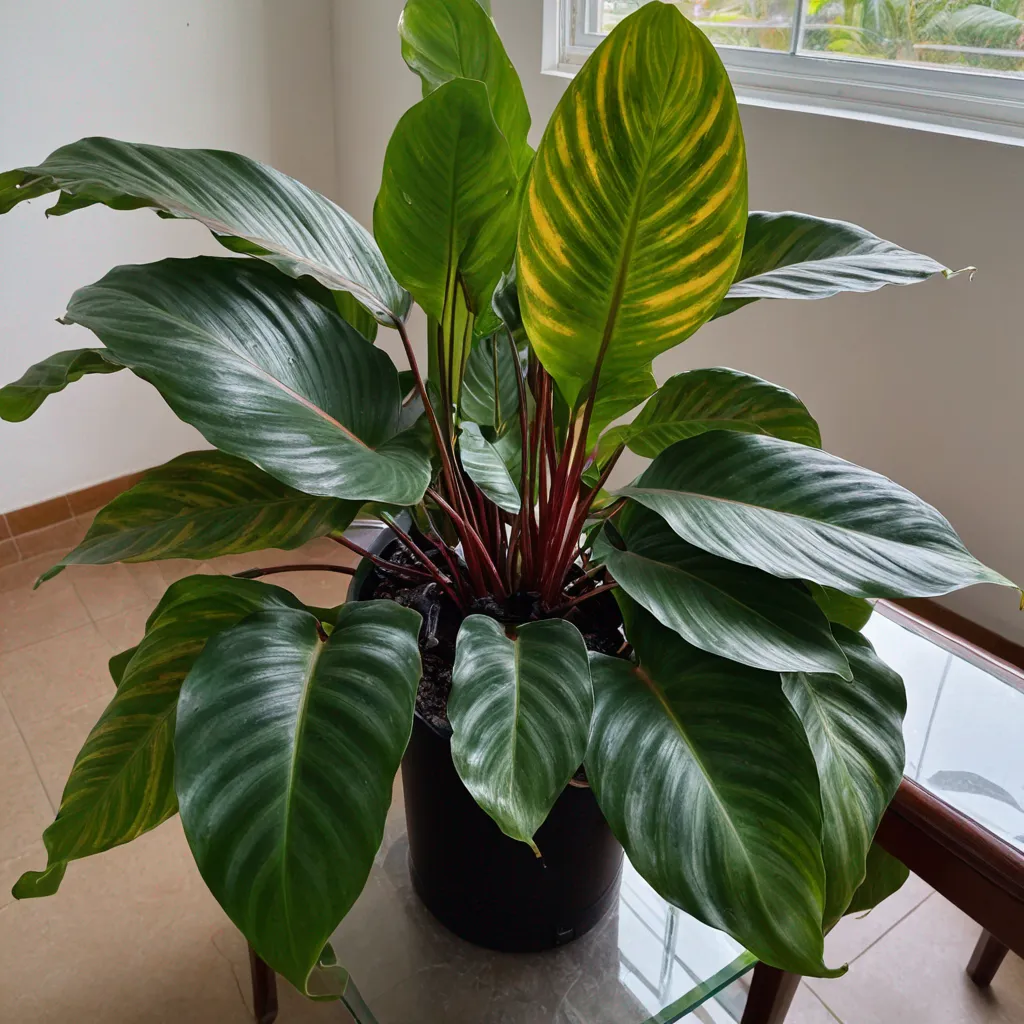
That gorgeous Calathea from the nursery sale—dark green patterns with purple undersides—seems like an easy win. “How hard can this be?”
Turns out, pretty hard.
Within three weeks, the leaf edges turn brown and crispy. A month later, half the leaves curl up like they’re protecting themselves. At this point, throwing it out seems reasonable. But stubbornness leads to research, and slowly, the mystery of what Calatheas actually need starts to unravel. If you’re dealing with crispy edges right now, also check out why your Calathea has crispy brown edges.
If you are thinking about getting a Calathea or currently watching yours suffer, I want to share what I have learned. These plants have a reputation for being difficult, and honestly, they have earned it. But once you understand what they want, you can keep them looking decent. Not perfect (because let’s be real, that is almost impossible), but alive and growing.
Why humidity is non-negotiable
Section titled “Why humidity is non-negotiable”Here is the thing about Calatheas: they come from the floor of Brazilian rainforests. According to research from the Missouri Botanical Garden, these plants evolved in environments where humidity stays between 60% and 80% pretty much all the time. Your living room, unless you live somewhere extremely humid, probably sits around 30% to 40% humidity. That gap is the source of most Calathea problems.
When I first brought mine home, I did the classic beginner move of misting it every day. I thought I was being helpful. Spoiler: misting does almost nothing for humidity. The water evaporates in minutes, and you are just wetting the leaves temporarily. Dr. Leonard Perry from the University of Vermont Extension points out that misting can actually increase the risk of fungal problems if you do it too often, especially if your air circulation is poor.
What actually works is consistent ambient humidity around the plant. I tried a few methods before finding what worked in my space.
The first thing I did was move my Calathea away from the heating vent. I had it sitting on a shelf that got blasted with dry air every time the heat kicked on. Moving it to a different corner made a noticeable difference within a week.
Then I added a pebble tray. You fill a shallow tray with pebbles or stones, add water until it is just below the top of the pebbles, then set the pot on top. As the water evaporates, it creates a slightly more humid microclimate around the plant. Does it raise humidity by 30%? No. But it helps a bit, especially if you group a few plants together over the same tray.
The real game changer for me was getting a small humidifier. I resisted this for a long time because I thought it was overkill, but my apartment in winter gets down to 25% humidity. I bought a basic cool mist humidifier and run it near my plants for a few hours each day. My Calathea stopped developing new brown edges after I started doing this consistently.
If you want to check your actual humidity levels for houseplants instead of guessing, get a cheap hygrometer. I have one that cost about eight dollars, and it has been really helpful for knowing when I need to run the humidifier versus when I can skip it.
Tap water vs. Distilled water
Section titled “Tap water vs. Distilled water”This was the second mistake I made with my first Calathea. I watered it with tap water straight from the sink, same as my pothos and snake plant. Those plants were fine. The Calathea was not.
Calatheas are sensitive to chemicals in tap water, particularly fluoride and chlorine. According to the University of Florida IFAS Extension, fluoride toxicity shows up as browning leaf tips and edges, which looks almost identical to low humidity damage. So you might think your humidity is the problem when it is actually your water.
I live in a city with heavily treated tap water. After doing some reading, I switched to filtered water. I use a basic Brita pitcher, let the water sit out overnight (which helps some of the chlorine evaporate), and then use that for watering. The difference was obvious. New leaves came in without the brown tips that had plagued every previous leaf.
Some people swear by distilled water, and if you want to be extra careful, that works too. For more details on water quality for houseplants, I have heard of people using rainwater if they can collect it, though that is not practical for me in an apartment. The main point is to avoid straight tap water if you can.
One note: if you already have brown edges on existing leaves, switching your water will not fix those leaves. They stay brown. But new growth should come in cleaner, which is how you will know it is working.
 Above: A closer look at this plant.
Low light vs. Medium light
Section titled “Low light vs. Medium light”Every care guide I read said Calatheas like “bright indirect light,” which is one of those phrases that sounds helpful but means almost nothing when you are standing in your apartment trying to figure out where to put a plant.
Here is what I have learned through trial and error: Calatheas do not want low light, but they also cannot handle direct sun. They need that middle zone, which is trickier to find than you would think.
I initially put mine on a north-facing windowsill because I read they like shade. It survived, but it barely grew. The leaves stayed small, and the plant looked kind of sad and stretched out. According to horticulture research, Calatheas grown in too little light will etiolate (get leggy) and produce smaller leaves with less vibrant patterns.
Then I moved it closer to my east-facing window, about three feet back from the glass. East windows get gentle morning sun, which is usually safe for Calatheas. That spot worked much better. The plant started putting out new leaves regularly, and the patterns were more defined.
I have never tried putting mine near a south or west window because those get too intense in my apartment, but if you have those exposures, you would need to place the plant several feet back or use a sheer curtain to diffuse the light.
The easiest way to tell if your light is wrong: if the leaves start to fade or develop brown scorched patches, you have too much light. If the plant stops growing or the stems get long and weak, you have too little. Calatheas will tell you when they are unhappy. They are not subtle about it.
Choosing a pet-safe houseplant
Section titled “Choosing a pet-safe houseplant”One of the reasons I even considered getting a Calathea was because I have a cat, and I needed non-toxic plants. My cat, Luna, likes to chew on anything green, which has ruled out a lot of popular houseplants.
Calatheas are on the ASPCA’s list of non-toxic plants for cats and dogs. I have watched Luna nibble on the edges of the leaves a few times, and she has been completely fine. It is annoying for the plant (those chew marks stay forever), but at least I do not have to worry about her getting sick.
That said, non-toxic does not mean your pet should eat it regularly. If your cat or dog treats your Calathea like a salad bar, they might get an upset stomach just from eating plant matter in general. Luna learned pretty quickly that the leaves do not taste great, so she mostly leaves it alone now.
If you have pets and you are tired of only being able to keep spider plants and pothos, Calatheas are a good option. For more pet-safe options, check out my pet-safe houseplants guide. Just be prepared to sacrifice a leaf or two to curious nibbles while your pet investigates.
 Above: Getting started with care.
Best soil to keep moisture in
Section titled “Best soil to keep moisture in”The last piece of the puzzle for me was figuring out the right soil mix. Calatheas need soil that stays consistently moist but does not get waterlogged. That balance is harder to achieve than it sounds.
Regular potting soil dries out too fast in my experience, especially if you are running a humidifier or have warm air in your home. But if the soil stays too wet, you will get root rot, which kills Calatheas quickly.
I make my own mix now, which sounds fancy but is actually pretty simple. I use about 50% peat-based potting mix (or coco coir if you want a more sustainable option), 20% perlite for drainage, and 30% orchid bark. The orchid bark keeps the soil from compacting and adds some air pockets, while the peat or coco coir holds moisture. The perlite keeps everything from turning into a soggy mess.
Research from North Carolina State University Extension suggests that Calatheas grow best in soil with good moisture retention but also adequate aeration. The mix I described does both.
If you do not want to mix your own soil, look for potting mixes labeled for African Violets or other moisture-loving plants. Those tend to work okay. Just make sure the mix is not too heavy or dense.
I also make sure the pot has drainage holes. This seems obvious, but I have definitely been tempted by cute pots with no drainage. Do not do it. Calatheas will punish you with root rot.
When watering, I wait until the top inch of soil feels dry, then water thoroughly until it drains out the bottom. In summer, this is usually every five to seven days. In winter, it stretches to every ten days or so. Your schedule will depend on your home’s conditions, so checking the soil is more reliable than following a strict calendar.
Living with a Calathea means accepting that it will never be a carefree plant. Mine still gets the occasional brown edge, and I have learned to trim those off and move on. But when it unfurls a new leaf with those perfect patterns, or when I catch it doing that thing where the leaves move throughout the day (they really do follow the light), I remember why I bothered to figure all of this out.
If you can handle a little drama and you are willing to adjust your care routine, Calatheas can work. They are not beginner plants, but they are not impossible either. You just have to meet them where they are.
References
Section titled “References”Missouri Botanical Garden. “Calathea.” Missouri Botanical Garden Plant Finder. http://www.missouribotanicalgarden.org/
Perry, Leonard. “Misting Houseplants.” University of Vermont Extension Department of Plant and Soil Science.
University of Florida IFAS Extension. “Fluoride Toxicity in Foliage Plants.” Environmental Horticulture Department.
ASPCA. “Toxic and Non-Toxic Plant List - Cats.” Animal Poison Control Center. https://www.aspca.org/
North Carolina State University Extension. “Indoor Plant Care.” NC State Extension Gardener Plant Toolbox.