Moving with Plants
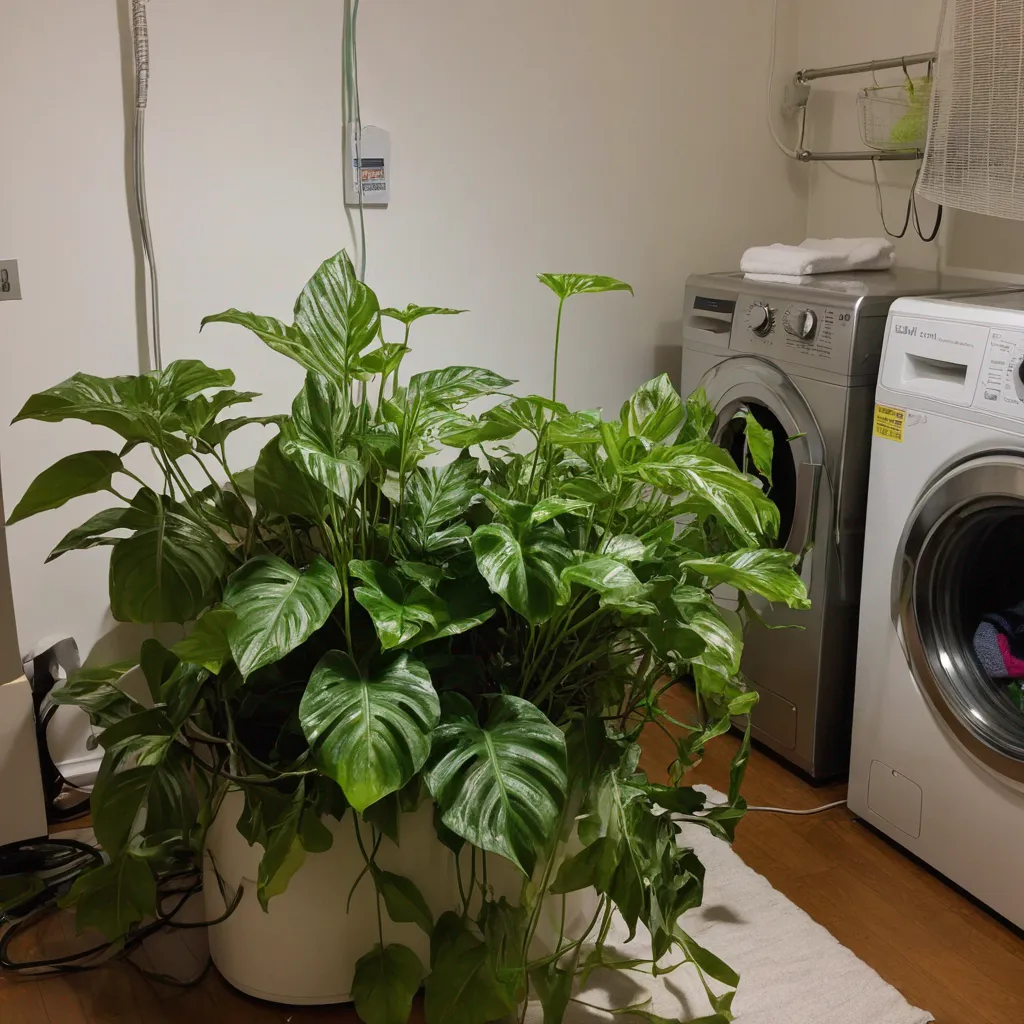
Moving yourself is stressful enough; moving a collection of fragile, living things is a logistical nightmare. One sudden brake slam or a night in a freezing car can wipe out years of growth. I learned the hard way that treating plants like just another box to pack is a recipe for disaster. They need their own travel itinerary. After moving a 25-plant collection from a sunny walk-up to a dark ground-floor apartment, I figured out exactly what it takes to get them there alive.
Packing plants safely
Section titled “Packing plants safely”The biggest mistake I made was assuming I could just stick plants in boxes and hope for the best. Spoiler: you cannot.
Start by not watering your plants for about three days before the move. I know this sounds counterintuitive because you want them hydrated for the journey, but wet soil is heavy and messy. When I moved my fiddle leaf fig with damp soil, the pot tipped in the box and dirt went everywhere in my car. Dry soil stays put better and makes the pots lighter to carry. Your plants can handle a few days without water. They cannot handle having their stems snapped because the pot shifted.
For small to medium plants, I used regular cardboard boxes, but here’s the key: I put the pots in first and then gently gathered the foliage upward and held it in place with newspaper or packing paper. Not tight, just enough to keep the leaves from flopping around and breaking. Some people use plastic bags, but I found that created too much moisture and made some of my leaves turn yellow later. Paper breathes better.
If you have tall plants, this gets trickier. My snake plant is about four feet tall, and I ended up laying it on its side in the back of my car because I couldn’t find a box tall enough. This worked fine, but make sure the leaves aren’t getting crushed under anything. For my pothos, I actually removed it from its hanging pot, wrapped the root ball in a damp paper towel and then plastic, and coiled the vines gently in a box with crumpled paper between the layers. It looked insane but the plant was totally fine.
The University of Minnesota Extension has some good guidelines on preparing plants for transport, and they emphasize keeping the root ball intact above all else. Leaves can recover from minor damage. Roots are harder to fix.
I also labeled every box with “PLANTS - THIS SIDE UP” in giant letters. My friends who helped me move ignored this completely, but at least I tried.
Transporting in a car
Section titled “Transporting in a car”If you’re moving locally and can take your plants in your car, you’re in the best situation. I drove my plants separately from the moving truck because I didn’t trust anyone else with them, which my partner thought was ridiculous, but whatever.
Put the boxes on the floor of your car, not the seats. The floor is flatter and more stable. I stacked a few smaller plants on the back seat, wedged between pillows so they wouldn’t slide around. This actually worked pretty well. The key is preventing movement. Every time a pot tips or a box shifts, you risk breaking stems or damaging roots.
Don’t put plants in the trunk if you can avoid it. Trunks get hot, there’s no airflow, and you can’t check on the plants during the drive. I made this mistake with a box of succulents during a short trip once (not even a move, just bringing plants to a friend), and when I opened the trunk 45 minutes later, it was like a sauna in there. The succulents were fine because they’re tough, but I wouldn’t risk it with something more sensitive.
If you’re moving in summer, run the AC in your car. If you’re moving in winter, run the heat. I moved in October, so it was cool but not freezing, and I kept the temperature around 65 degrees the whole drive. Plants are surprisingly sensitive to rapid temperature changes, and a two-hour drive in a cold car can shock them even if the actual temperature isn’t that extreme.
For long-distance moves where you’re driving for days, you’ll need to bring the plants inside with you at night. I’ve read accounts from people on houseplant forums who’ve done cross-country moves, and they all say the same thing: don’t leave plants in the car overnight. Temperatures drop too much. One person on a blog I follow moved from Texas to Oregon and brought 40 plants. She booked pet-friendly hotels specifically so she could bring the plants into the room. I thought that was intense until I tried moving my own collection.
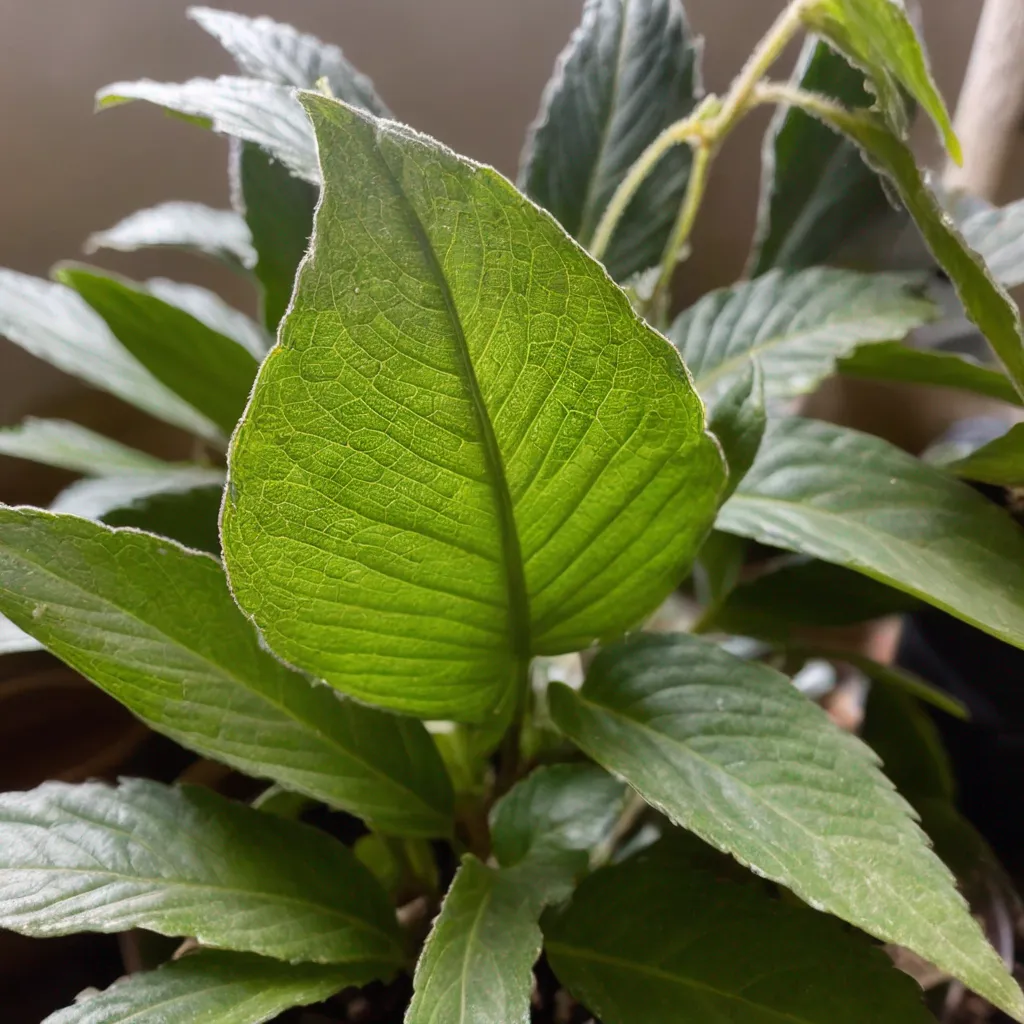 Above: A closer look.
Temperature control
Section titled “Temperature control”This is where I really messed up. I moved in late October, and the day started out warm, so I didn’t think much about temperature. By the time I was unloading boxes at the new place, it was dark and the temperature had dropped to about 45 degrees. I left a few boxes of plants sitting on the sidewalk for maybe 30 minutes while I dealt with the moving truck, and my calathea has never forgiven me. The leaves got brown edges that never recovered. I eventually had to cut half of them off.
Most tropical houseplants start getting stressed below 50 degrees. Some, like calatheas and ferns, get cranky even at 55. If you’re moving in cold weather, keep the plants in the climate-controlled car as long as possible. Don’t leave them sitting outside while you’re making multiple trips up the stairs.
In summer, the opposite problem happens. Temperatures inside a parked car can hit 100 degrees or higher in just 20 minutes, even with the windows cracked. I know someone who lost a entire collection of orchids this way. She stopped to grab lunch, left the plants in the car for what she thought was 15 minutes, and came back to wilted, cooked plants. It was devastating.
If you absolutely must leave plants in the car during summer, park in the shade and crack the windows. But honestly, just take them with you. I know it’s annoying to haul a box of plants into a restaurant, but it’s better than coming back to dead plants.
The general rule, according to research from various extension services, is to keep plants between 60 and 75 degrees during transport if you can manage it. That’s the sweet spot where most common houseplants stay comfortable.
Unboxing and acclimating
Section titled “Unboxing and acclimating”When I finally got to my new apartment, I was exhausted and tempted to just leave the plants in their boxes until the next day. Don’t do this. Unpack them as soon as you can.
Take each plant out gently and check it over. Look for broken leaves or stems. Check the soil to see if it stayed in the pot or if it spilled everywhere (mine did, in several cases). If you see damage, don’t panic. Most plants can handle losing a few leaves.
Here’s the thing I didn’t realize: your new place probably has completely different light than your old place. My old apartment had big east-facing windows, and my new place is basically a cave. I put my plants in the spots where I thought they’d go permanently, and then I watched half of them start to decline over the next two weeks. I had to move almost everything closer to the windows and buy a couple of grow lights for the darker corners.
Don’t expect your plants to go exactly where you want them to go for aesthetic reasons. They need light, and they will tell you very clearly if they’re not getting enough. My monstera, which I desperately wanted in the living room for decoration, started turning yellow and dropping leaves until I moved it right next to the bedroom window. Now it’s thriving, but it’s not where I wanted it.
Water your plants lightly after unpacking. Not a full soak, just enough to settle the soil and help them recover from the stress. I gave everything a light watering the day after the move, then waited to see how they responded before going back to a normal watering schedule.
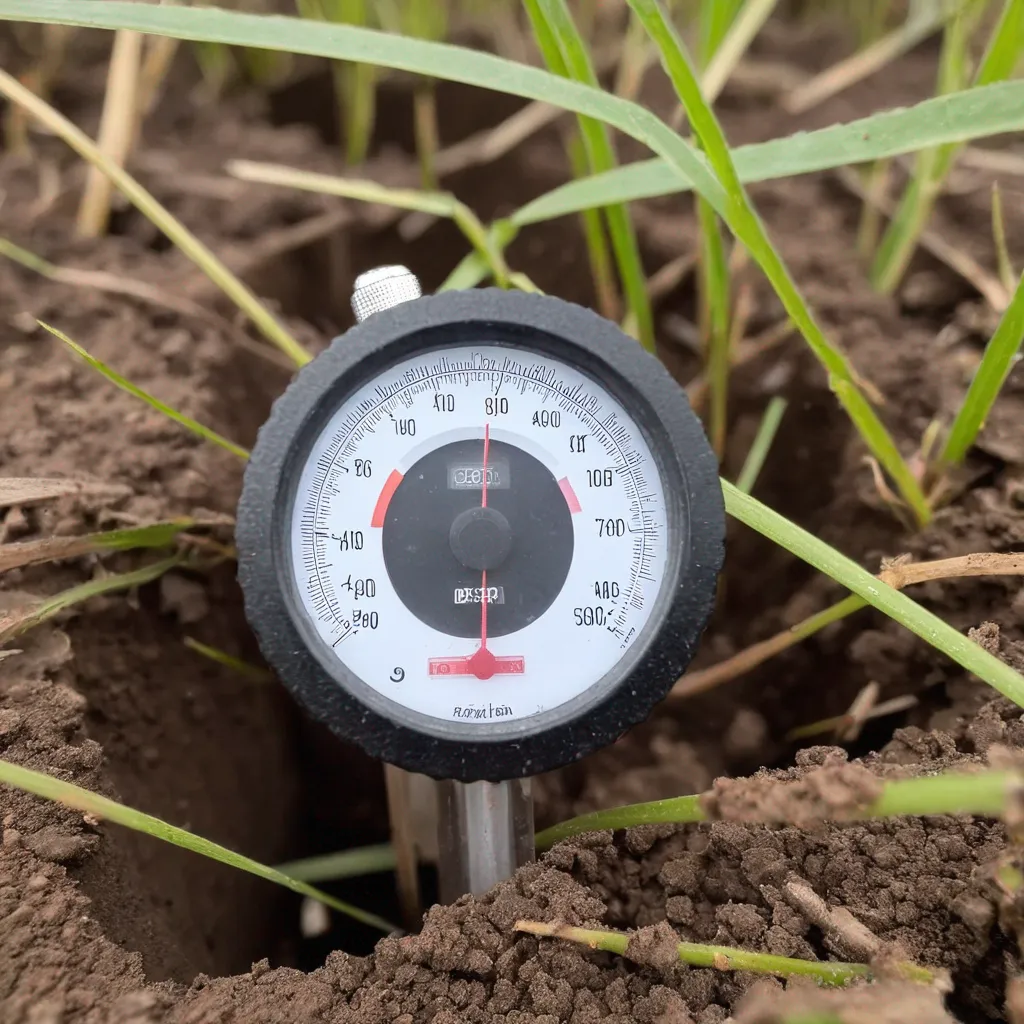 Above: What you will need.
Handling stress
Section titled “Handling stress”Even if you do everything right, your plants are probably going to be stressed. Moving is hard on them. They get jostled around, the light changes, the humidity might be different, and they need time to adjust.
My calathea dropped about half its leaves in the two weeks after the move. My peace lily, which is normally indestructible, wilted dramatically and took a full month to perk back up. My pothos, on the other hand, didn’t even seem to notice. Different plants handle stress differently.
The most important thing is to not overreact. When I saw my calathea dropping leaves, my instinct was to water it more, fertilize it, move it around. I did all of that and made things worse. What I should have done is just left it alone. Plants need stability after a move. Pick a spot with appropriate light, water when the soil is dry, and then just wait.
Don’t fertilize for at least a month after moving. Stressed plants can’t process nutrients well, and you’ll just risk burning the roots. I learned this from a horticulture extension article from Iowa State University, and it saved me from making that mistake.
Some leaf drop is normal. Some yellowing is normal. What’s not normal is the whole plant collapsing or developing mushy stems. If you see that, you might be overwatering or the plant might have gotten too cold during the move.
It took about six weeks for my plant collection to fully settle into the new apartment. Some plants bounced back fast. Others took their time. I lost two plants completely (a fern that I think got too cold and a begonia that I’m pretty sure I overwatered in a panic), but the rest made it through.
If you’re moving soon, give yourself grace. You’re not going to do everything perfectly, and some plants might struggle. But most of them are tougher than you think. Pack them carefully, keep the temperature stable, and don’t fuss over them too much once they’re in the new place. They’ll figure it out.
References
Section titled “References”University of Minnesota Extension. “Moving Houseplants.” Extension Horticulture Publications. https://extension.umn.edu/
Iowa State University Extension and Outreach. “Houseplant Care Guidelines.” Horticulture and Home Pest News.