Sunburn on Plants
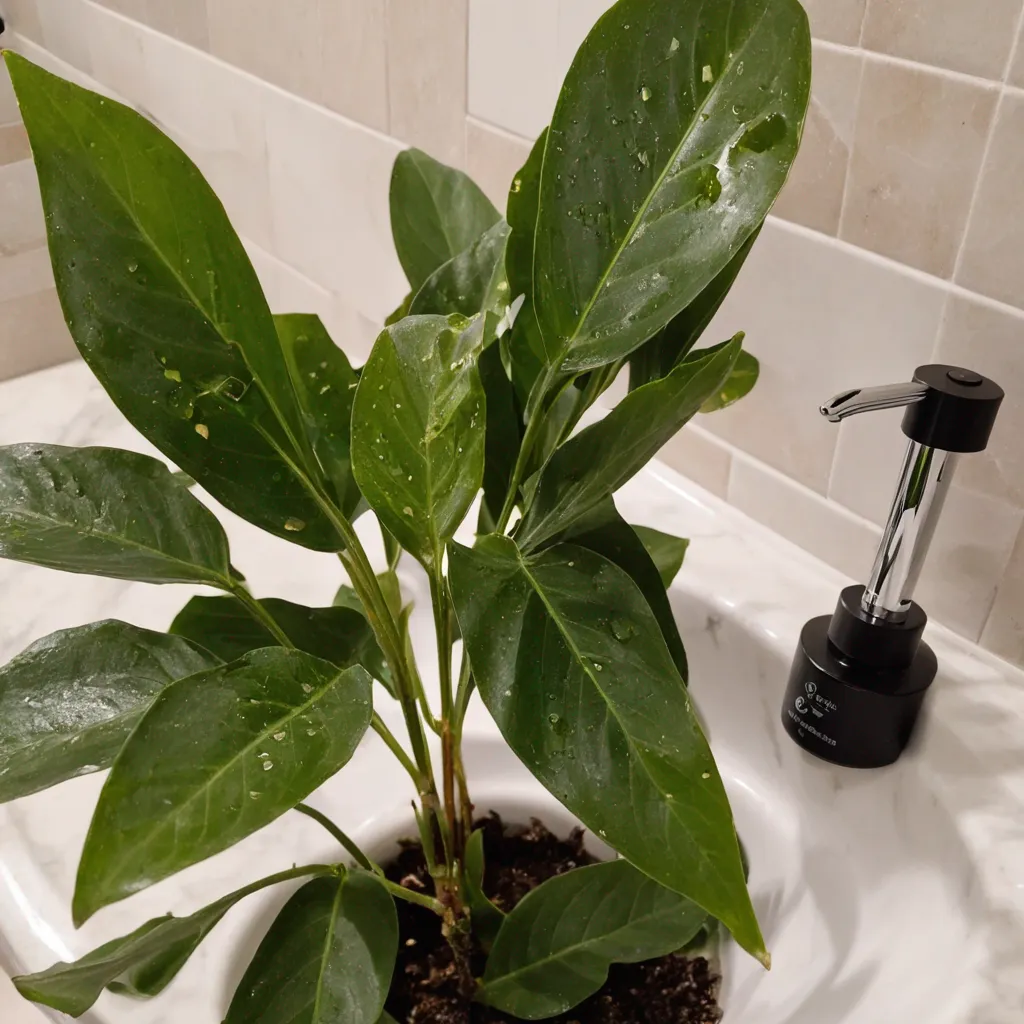
We tend to think of sunlight as purely good for plants, but there is such a thing as too much of a good thing. Just like human skin, plant leaves can burn if exposed to intense UV rays without protection. The result is bleached, scorched foliage that looks like it’s been splashed with acid—a painful lesson in the power of acclimation. I learned this the hard way after moving a shade-loving Pothos directly into blazing afternoon sun.
Turns out, plants can get sunburned just like we can. And just like with our skin, prevention is way easier than treatment. But if you’re reading this, you’re probably already past the prevention stage and staring at some crispy, pale leaves wondering what went wrong.
The good news is that most plants can recover from sunburn if you catch it early and make some adjustments. Let me walk you through what I’ve learned from my own mistakes and a lot of research.
Identifying bleached leaves
Section titled “Identifying bleached leaves”The tricky thing about sunburn on plants is that it can look similar to other problems. When I first saw those white patches on my pothos, I thought it might be a fungus or some kind of pest damage. It wasn’t until I noticed the pattern that I figured it out.
Sunburned leaves typically show up as pale, washed-out spots or patches. The color can range from yellow to white to almost tan, depending on how severe the burn is and what kind of plant you’re dealing with. According to research from the University of California Agriculture and Natural Resources, this discoloration happens because the chlorophyll in the leaves breaks down under intense light. The plant cells basically get fried.
Here’s what to look for. The damage usually appears on the parts of the plant that get the most direct sun. If your plant sits in a window, check the leaves facing the glass. If it’s outside, look at the top and the side that faces the afternoon sun. The pattern matters because if the pale spots are random all over the plant, you might be dealing with something else like nutrient deficiency or a watering issue.
The texture of sunburned leaves also changes. They often feel papery or crispy to the touch, especially at the edges. Sometimes the damaged areas look almost translucent when you hold them up to light. I’ve noticed this particularly with thinner-leaved plants like philodendrons.
One thing that helped me distinguish sunburn from other problems is the timing. Sunburn happens relatively quickly after a change in light conditions. If you just moved your plant to a brighter spot or if there’s been a sudden stretch of really sunny weather, and then boom, you see these pale patches within a few days, sunburn is your likely culprit.
It’s worth mentioning that some plants show sunburn differently. Succulents and cacti, for example, might turn reddish or purple before going brown. According to the University of Arizona Cooperative Extension, this color change is actually a stress response where the plant produces protective pigments. My jade plant did this once when I moved it outside too quickly in spring.
Moving to shade
Section titled “Moving to shade”Once you’ve identified that your plant is sunburned, the first thing to do is reduce its light exposure. This feels obvious, but I’ve made the mistake of leaving a plant in the same spot while trying to “toughen it up.” That doesn’t work. The plant needs relief.
If your plant is indoors, move it away from the window. I usually shift mine to a spot that gets bright, indirect light instead of direct sun. This might mean moving it a few feet back from the window or to a different room entirely. The goal is to give it enough light to keep photosynthesizing (plants still need light to recover), but not so much that it causes more damage.
For outdoor plants, things get a bit more complicated. If it’s a potted plant, bring it inside or move it to a shadier location. I have a small fig tree that I keep outside in summer, and I learned the hard way that it needs to be gradually introduced to full sun. Now I keep it under the overhang of my porch where it gets morning light but is shaded during the intense afternoon hours.
If your plant is in the ground and can’t be moved, you’ll need to create shade. You can use a shade cloth, which you can find at most garden centers. The University of Florida IFAS Extension recommends using a 30 to 50 percent shade cloth for most plants recovering from sun damage. I don’t have any in-ground plants (apartment life), but my friend used an old bedsheet propped up on stakes when her hydrangea got scorched last summer. It looked ridiculous but it worked.
The transition to lower light should ideally happen right away. Every extra day in harsh sun means more damage. That said, don’t panic if you can’t move the plant immediately. Just do it as soon as you reasonably can.
One mistake I see people make (and I’ve done this too) is moving the plant to a spot that’s too dark. Going from full sun to a dark corner is stressful in a different way. The plant suddenly can’t produce enough energy through photosynthesis, which slows down recovery. Aim for that sweet spot of bright, indirect light.
 Above: A close up look at the problem.
Pruning damaged parts
Section titled “Pruning damaged parts”This is the part that always makes me hesitate. I hate cutting off parts of my plants. But here’s what I’ve learned from both experience and research: severely damaged leaves aren’t coming back, and sometimes removing them actually helps the plant.
Sunburned leaves can’t heal. Once those cells are damaged, they stay damaged. According to information from North Carolina State University Extension, keeping dead or dying foliage on the plant can actually drain resources because the plant continues trying to maintain tissue that’s no longer functional.
That said, don’t grab your scissors the second you see a pale spot. If the damage is minor (maybe just the tips of a few leaves are bleached), I usually leave them alone. The plant can still use the healthy parts of those leaves for photosynthesis. I only prune when the damage is extensive, like when an entire leaf is white or brown and crispy.
When you do prune, use clean scissors or pruning shears. I wash mine with soap and water, then wipe them down with rubbing alcohol. This sounds fussy, but dirty tools can introduce bacteria or fungi to the cuts you make.
Cut the damaged leaves off at the base where they connect to the stem. Don’t just trim off the damaged parts and leave partial leaves hanging on because, in my experience, those partial leaves usually turn brown anyway and look worse than if you’d just removed the whole thing.
For plants with lots of foliage, don’t remove more than about a third of the leaves at once, even if they’re all damaged. The University of Minnesota Extension notes that removing too much foliage at once stresses the plant further because it suddenly has less ability to produce energy. If the damage is really severe, prune the worst leaves first and then wait a week or two before removing more.
After pruning, I always make sure to adjust my watering. The plant has less foliage now, which means it’s using less water. I’ve accidentally overwatered freshly pruned plants before because I didn’t account for this change.
Preventing sunburn
Section titled “Preventing sunburn”Prevention is so much easier than dealing with the aftermath. I’ve gotten better at this over the years, mostly through making every possible mistake first.
The biggest thing is acclimating plants slowly to brighter light. When you bring a plant home from a nursery or store, it’s been growing in controlled conditions. Even if the tag says “full sun,” that doesn’t mean you can immediately stick it in your sunniest window. I learned this with a succulent that promptly turned white on me.
The process I use now is to gradually increase light exposure over a week or two. If I’m moving a plant to a brighter spot, I might start by putting it there for an hour the first day, then two hours the second day, and so on. For outdoor plants in spring, the University of Illinois Extension recommends a similar hardening-off process where you gradually expose plants to outdoor conditions.
Pay attention to the time of year. Summer sun is way more intense than winter sun, especially in the afternoon. A plant that did fine in a south-facing window all winter might suddenly get scorched when summer hits. I now move some of my more sensitive plants to east-facing windows in summer where they get gentle morning light instead of harsh afternoon rays.
Understanding your specific plant’s needs helps too. I spent time researching each plant I own to figure out its natural habitat. Plants from forest floors (like pothos, philodendrons, and most ferns) are adapted to filtered light and will burn easily. Desert plants can usually handle more sun, but even they can burn if the transition is too abrupt.
Window film or sheer curtains can be your best friend. I have sheer curtains on my south-facing windows that I close during the brightest part of the day in summer. This diffuses the light enough to protect my plants without making the room too dark.
For outdoor plants, location matters. Morning sun is generally gentler than afternoon sun. According to Texas A&M AgriLife Extension, the afternoon sun from about 2 to 4 PM is the most intense and most likely to cause damage. If you’re planting something in the ground, consider how the sun moves across your yard throughout the day.
 Above: The tools you need to fix this.
Recovery expectations
Section titled “Recovery expectations”Here’s the hard truth: recovery takes time, and your plant won’t look the same for a while. This was tough for me to accept because I wanted my plants to bounce back immediately.
The damaged leaves themselves won’t recover. Those bleached, crispy parts are permanent casualties. What you’re waiting for is new growth. How long this takes depends on the type of plant, the severity of the damage, and the growing conditions.
Fast-growing plants like pothos, spider plants, and tradescantia can start pushing out new leaves within a week or two if conditions are good. I’ve seen my pothos produce new growth pretty quickly after a sunburn incident. Slower-growing plants like snake plants or ZZ plants might take months to show new leaves.
The new growth should look normal and healthy as long as you’ve moved the plant to appropriate lighting. This is actually how you know your plant is truly recovering. When I see that first new leaf unfurl and it’s the right color and texture, I finally relax.
During recovery, resist the urge to fertilize heavily. I used to think that giving my damaged plants extra fertilizer would help them recover faster. It doesn’t. In fact, North Dakota State University Extension points out that over-fertilizing stressed plants can cause more harm because the plant is already struggling and can’t efficiently use extra nutrients. Stick to your normal fertilizing schedule or even dial it back a bit.
Keep your watering consistent but don’t overdo it. The plant has less foliage now, so it needs less water. I check the soil more carefully during recovery and wait until it’s dry to the appropriate depth for that specific plant before watering again.
Some plants will come back bushier than before, especially if you had to prune them back significantly. This happened with my Chinese evergreen after it got sunburned. The pruning encouraged branching, and it actually ended up looking fuller a few months later.
Be patient with yourself too. I felt like such a failure the first few times I sunburned my plants. But it’s a learning process, and honestly, most plant people I know have scorched at least one plant in their lifetime. You’re not a bad plant parent. You’re just learning what your plants need.
The whole recovery process from sunburn to a full, healthy-looking plant again usually takes me anywhere from a month to several months depending on the plant. My faster-growing tropicals bounce back in about four to six weeks. My slower plants, especially succulents, can take three months or more to fully recover.
If your plant isn’t showing any new growth after a reasonable amount of time, double-check your care routine. Make sure it’s getting appropriate light (not too much, not too little), proper watering, and that the temperature and humidity are in the right range. Sometimes what looks like slow recovery from sunburn is actually another issue cropping up.
The most important thing is that you caught the problem and made changes. Your plant will likely recover, and you’ll know better how to care for it going forward. That’s how we all get better at this.
References
Section titled “References”University of California Agriculture and Natural Resources. “Abiotic Disorders of Landscape Plants.”
University of Arizona Cooperative Extension. “Sunburn and Heat Stress in Cacti and Succulents.”
University of Florida IFAS Extension. “Shade Cloth for Environmental Modification.”
North Carolina State University Extension. “Pruning Houseplants.”
University of Minnesota Extension. “Pruning Trees and Shrubs.”
University of Illinois Extension. “Hardening Off Transplants.”
Texas A&M AgriLife Extension. “Sun and Shade in the Landscape.”
North Dakota State University Extension. “Houseplant Care.”