Humidity for Houseplants
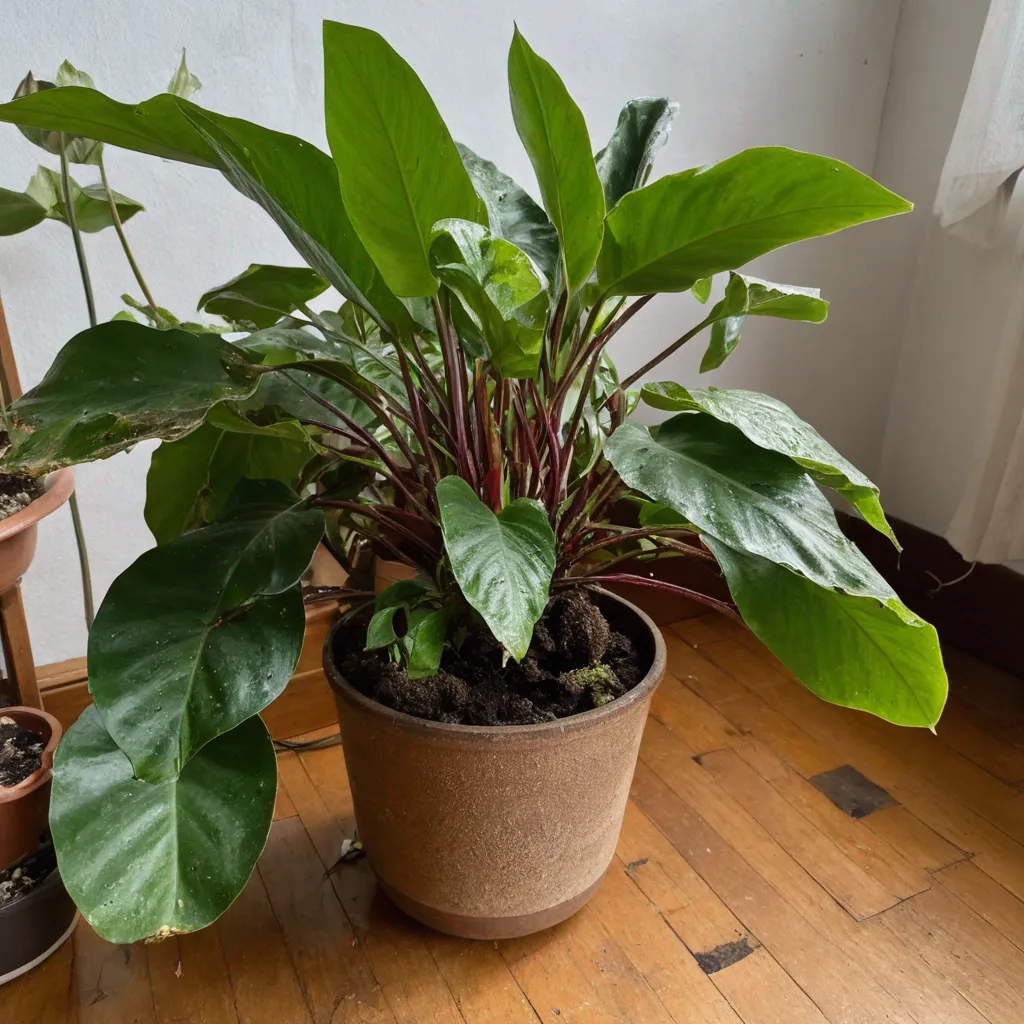
My introduction to the importance of humidity came in the form of a crispy, dying calathea. Within three weeks of bringing it home, the edges turned brown and crispy, and I remember standing there with my watering can thinking, “But I watered you!” Turns out, water in the soil wasn’t the whole story. The air in my apartment was basically a desert.
Humidity is one of those things nobody warns you about when you start collecting houseplants. You see a beautiful plant at the nursery, bring it home, and suddenly it looks miserable. If you live anywhere with central heating or air conditioning, your indoor air is probably drier than you think. Most homes sit around 30-40% humidity, but a lot of tropical plants want something closer to 50-60% or higher.
I’m not going to pretend I have this all figured out. My apartment still gets dry in winter, and I’ve accepted that some plants just won’t thrive here. But after a few years of trial and error, I’ve learned what actually works and what’s a waste of time.
Do humidifiers really help?
Section titled “Do humidifiers really help?”Yes, but not in the way you might expect.
When I first learned about humidity, I bought a tiny USB humidifier from Amazon. It held maybe a cup of water and ran for about four hours before needing a refill. I put it next to my calathea and felt very accomplished. The plant still died.
Here’s the thing about humidifiers: they only work if they’re the right size for your space. That little decorative humidifier might raise the humidity immediately around it by a few percentage points, but the effect disappears within a foot or two. I learned this the hard way after buying a hygrometer (more on that later) and watching the numbers stay stubbornly low despite my tiny humidifier chugging away.
If you want a humidifier to actually make a difference, you need one that’s rated for your room size. I eventually bought a 6-liter ultrasonic humidifier for my bedroom where I keep most of my plants. It runs for about 24 hours on a single fill, and I can actually see the humidity gauge climb from 35% to around 55% when it’s running.
The downsides? You have to refill it constantly. In winter, I’m filling mine every single day. You also have to clean it regularly, or it gets disgusting. I try to rinse mine out every few days and do a vinegar clean once a week. If you let it go too long, you’ll start seeing white mineral dust on everything nearby, or worse, mold.
According to research from the University of Wisconsin Extension, humidifiers are most effective when placed in smaller, enclosed spaces rather than trying to humidify an entire open floor plan. My bedroom is about 150 square feet, and my humidifier can handle that. If you’re trying to humidify a large living room with high ceilings, you’d need a much bigger unit or multiple humidifiers.
One more thing: I only run mine during the dry months. In summer, my apartment naturally sits around 50-55% humidity, so I don’t bother. This isn’t a year-round commitment unless you live somewhere with very dry air.
Why misting is a myth
Section titled “Why misting is a myth”I spent months misting my plants every morning. I had a cute little spray bottle, and I’d go around giving everyone a spritz before work. It felt productive, like I was doing something good for them.
I wasn’t.
Misting raises humidity for maybe 10-15 minutes, and then it’s gone. The water evaporates or drips off the leaves, and the air goes right back to being dry. If your goal is to increase humidity, misting is almost completely useless.
A study published in the journal HortScience found that misting had no measurable long-term effect on the humidity levels around houseplants. The moisture just doesn’t stick around long enough to matter. What does happen, though, is that you get water sitting on leaves, which can lead to fungal problems if there’s not enough air circulation.
I stopped misting after I noticed small brown spots appearing on my philodendron leaves. I did some reading and realized I’d probably encouraged a fungal issue by keeping the foliage wet without good airflow. The spots didn’t spread after I quit the morning misting routine.
There’s one exception: if you have a plant that’s actively suffering and you need to buy yourself a day or two before you can fix the real problem, misting might keep it from getting worse. But it’s a bandaid, not a solution.
Some people insist misting helps them, and maybe it does in very specific conditions. But for most of us in normal homes, it’s a lot of effort for almost no benefit. I’d rather spend that time actually watering or checking for pests.
 Above: A closer look at the technique.
Using pebble trays
Section titled “Using pebble trays”Pebble trays are everywhere in houseplant advice columns, and I understand why. They seem logical: you put pebbles in a tray, add water, set your plant on top, and the evaporating water raises humidity. Simple, cheap, no electricity needed.
The reality is more complicated.
I set up pebble trays for my calatheas and ferns, convinced this would be the thing that saved them. I used shallow plant saucers filled with aquarium gravel and kept the water level just below the top of the stones. The plants sat on top, not touching the water directly.
Did it help? Honestly, I’m not sure. My hygrometer didn’t show any noticeable increase in humidity around those plants compared to the rest of the room. Research from various university extension programs suggests that pebble trays create a very localized increase in humidity, maybe just a few inches above the water surface. If your plant has enough foliage hanging down close to the tray, it might benefit slightly. But if you’re hoping to raise the humidity around a whole plant, the effect is minimal.
That said, pebble trays don’t hurt anything (as long as your pot isn’t sitting in water), and they’re cheap to set up. I still use them for a few plants, mostly because they catch excess water when I water and they look nicer than just a plain saucer. But I don’t count on them for humidity anymore.
If you try pebble trays, keep the water topped up. Once it evaporates completely, there’s no benefit at all. I also rinse my pebbles every month or so because they get dusty and sometimes develop algae.
Grouping plants together
Section titled “Grouping plants together”This is the one humidity hack that I actually believe in, and it costs nothing.
Plants release moisture through their leaves in a process called transpiration. When you group plants close together, they create their own little humid microclimate. The moisture one plant releases benefits the plants around it, and vice versa.
I rearranged my bedroom last year and clustered most of my humidity-loving plants onto one bookshelf. I have a couple of ferns, a few calatheas, a maranta, and some philodendrons all crammed together. The difference was noticeable within a week or two. The new growth looked healthier, and the crispy edges I’d been battling slowed down.
The Extension Service at North Carolina State University mentions that grouping plants can raise relative humidity in the immediate area by 10-15%. That’s not huge, but it’s something, especially combined with other methods like a humidifier.
The trick is to group them close enough that they benefit from each other’s moisture, but not so close that air can’t circulate. I learned this after losing a few lower leaves to fungal issues when I packed my plants too tightly. There needs to be space for air to move around, or you’re asking for problems.
I also rotate my plants every few weeks so they don’t all lean toward the window. When they’re grouped, the ones in back can get shaded out pretty quickly.
One warning: grouping plants means pests can spread faster. I had spider mites once, and they jumped from plant to plant within days because everything was so close together. Now I inspect my plants more carefully, especially new additions, before adding them to the group.
 Above: What you will need.
Monitoring with a hygrometer
Section titled “Monitoring with a hygrometer”I resisted buying a hygrometer for way too long. I thought I could just guess at humidity levels or go by how my plants looked. That was dumb.
A hygrometer is a little device that measures humidity, and you can get a decent one for less than ten dollars. I bought a three-pack online so I could put one in my bedroom, one in my living room, and one in the bathroom where I keep my ferns.
The numbers were eye-opening. My bedroom, where I thought everything was fine, was sitting at 32% humidity in the middle of winter. My living room was even worse at 28%. The only place with decent humidity was the bathroom, which hovered around 50% because of showers.
Having actual numbers changed how I approached the problem. Instead of guessing whether my humidifier was working, I could watch the readings and adjust. I learned that running my humidifier on the medium setting kept my bedroom around 50-55%, which is perfect for most of my plants. High setting pushed it over 60%, which felt uncomfortably damp and wasn’t necessary.
I also learned that humidity fluctuates a lot throughout the day. It drops when the heat kicks on and rises in the evening after I cook dinner or take a shower. Some plants can handle those swings fine, but others (looking at you, calatheas) get stressed by constant changes.
The Colorado State University Extension notes that monitoring humidity helps you understand your specific environment rather than relying on general advice. What works in someone’s humid Florida apartment won’t work in a dry Colorado home.
My hygrometers aren’t fancy. They’re basic digital models with a temperature reading and a humidity reading. Some people buy ones with data logging or smartphone apps, but that’s overkill for me. I just need to know if the air is dry enough that I should turn on the humidifier.
One tip: place your hygrometer near your plants, not across the room. Humidity can vary quite a bit even within the same space, especially near windows or heating vents.
I haven’t bought a calathea in over a year because I know my apartment gets too dry for them in winter, even with the humidifier. Maybe someday I’ll move somewhere more humid, or I’ll set up a terrarium with controlled humidity. For now, I’m okay sticking with pothos and philodendrons that don’t care if the air is a little dry.
Humidity isn’t the only thing that matters for houseplants, but it’s the thing I ignored for way too long. If your plants are struggling and you’ve ruled out watering issues, light problems, and pests, check your humidity. Get a hygrometer, see what you’re working with, and go from there.
References
Section titled “References”North Carolina State University Extension. “Houseplant Care: Environmental Factors.” NC State Extension Publications.
Colorado State University Extension. “Houseplants.” CMG GardenNotes #142.
University of Wisconsin-Madison Division of Extension. “Humidity and Houseplants.” Wisconsin Horticulture.
Erwin, J., and Gesick, E. “Photosynthetic Responses of Ficus benjamina to Humidity.” HortScience, vol. 43, no. 3, 2008, pp. 906-907.